
Clearing the Fog of War: What Americans and Europeans Need to Know About the 2026 US-Israel-Iran Conflict
Clearing the fog of war, as an American or European following the news, you have probably seen the dramatic headlines: US and Israeli strikes hitting Iran hard, killing Supreme Leader Ali Khamenei, and Iran firing back with missiles and drones. Social media is full of claims. Some say Iran has crippled US carriers. Others call it a necessary stand against a nuclear threat.
With fresh US casualties reported and oil prices climbing, many are asking the same questions. Is this another long Middle East war? Who is really driving it? And why does public support seem so low?
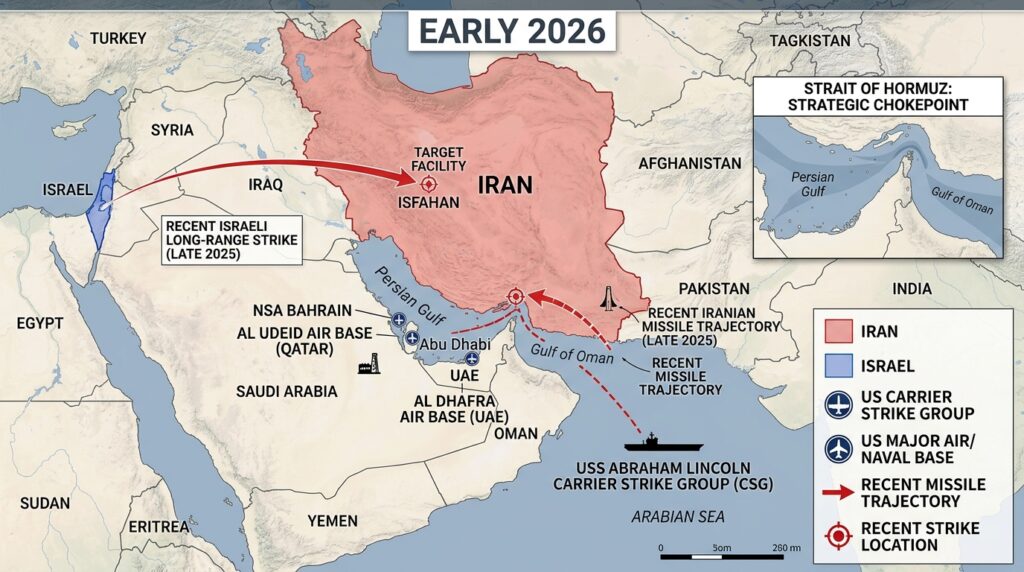
The conflict, known as Operation Epic Fury in the US and Operation Roaring Lion in Israel, began with major coordinated strikes on February 28, 2026. It is only days old, but already polarising. This guide cuts through the noise with verified facts from US Central Command, Reuters, BBC, Al Jazeera, and other sources as of March 2, 2026. No side is blameless. Both have escalated. Here is the clear picture.
How Did We Get Here? Quick Background
Tensions date to Iran’s 1979 revolution and its opposition to the US and Israel. Iran developed a nuclear program it calls peaceful, while supporting groups like Hezbollah and the Houthis that target US and Israeli interests.
Key recent steps include the 2025 short “12-Day War,” when Israel struck Iranian nuclear sites. In early 2026, Iran’s uranium enrichment neared weapons-grade levels and US-Iran nuclear talks collapsed.
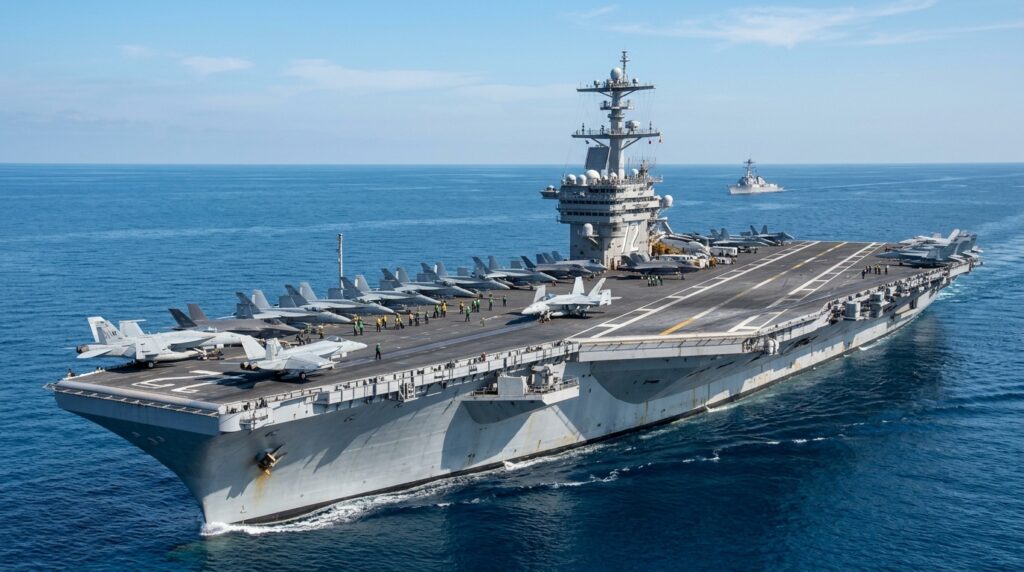
On February 28, the US and Israel launched large-scale attacks on Iranian nuclear sites, missile bases, IRGC facilities, and leadership, killing Khamenei. The Trump administration calls it preemptive self-defence to eliminate a nuclear threat, degrade missiles, weaken proxies, and open the door for regime change. Iran calls it unprovoked aggression.
It is like longtime rivals finally throwing punches after years of threats.
The ‘Fog of War’ Is No Excuse
Mistakes are one thing; failures of moral judgment are another.
Clausewitz is often credited with inventing the concept of the “fog of war,” but he never actually used that phrase (or its German equivalent). War, he said, is the “realm of uncertainty,” where most of what a commander relies upon is obscured by “fog of greater or lesser uncertainty.” He was not referring to literal smoke or blast effects. He meant the limits of human perception: incomplete intelligence, contradictory reports, fear, haste, poor communication, friction, and the tendency of people under pressure to mistake assumptions for facts. Fog was a metaphor for confusion and uncertainty, not an atmospheric condition.
https://www.thebulwark.com/p/the-fog-of-war-is-no-excuse-hegseth-caribbean-venezuela-boat-strike
Viral Claims vs. Verified Facts
Social media spreads dramatic stories. Fog of War. Here is the reality check.
Claim: Iranian Shahed-238 drones or missiles destroyed the USS Abraham Lincoln’s runway, two F-35s, a supply ship, and radar on USS Frank E. Petersen Jr.
Fact: False. No confirmed damage from BBC, Reuters, or CENTCOM. The carrier is operating normally in the Arabian Sea, launching strikes. Iran claimed four missile hits. CENTCOM said the missiles did not even come close.
Claim: Eight US jets ran out of fuel and diverted to Oman or the UAE. Iran threatened those countries.
Fact: No evidence in major reporting.
Claim: Iran seized British or American tankers and is chasing the carrier.
Fact: Some tanker incidents occurred, but not tied to a carrier retreat. The Lincoln remains active.
Confirmed: On March 1 to 2, three US F-15E Strike Eagles were accidentally shot down over Kuwait by Kuwaiti defences in a friendly fire incident amid Iranian threats. All six crew members ejected safely.
The Gulf Bases Question: Are They Attacking Iran?
Many Americans wonder why Iran targets US bases in friendly Gulf countries such as Qatar, the UAE, Bahrain, and Kuwait if those nations are not launching strikes.
Direct offensive strikes come mainly from US Navy carriers such as Abraham Lincoln and Gerald R. Ford in the Arabian Sea, not from land bases. Gulf states refused to allow offensive launches from their territory to avoid escalation.
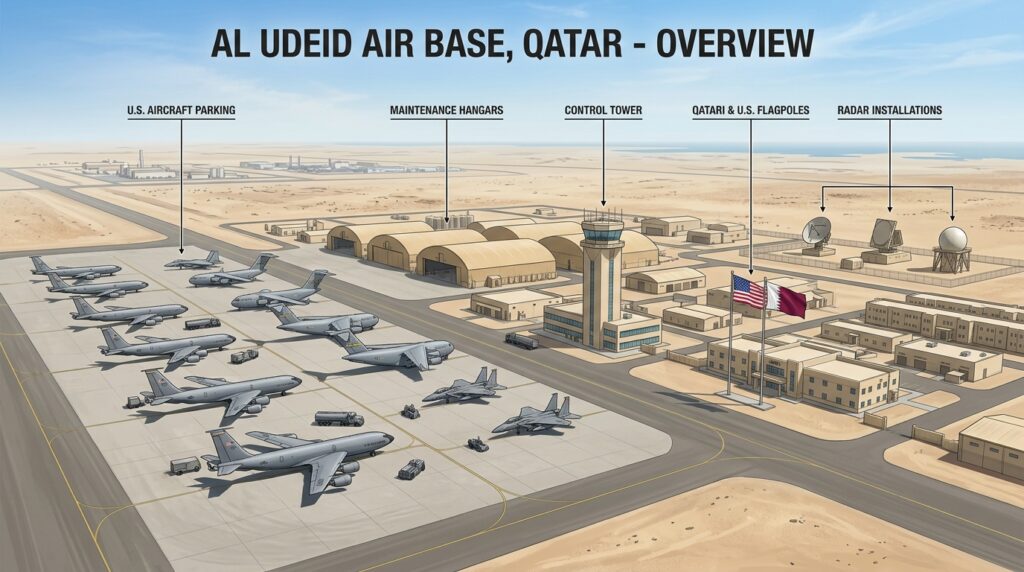
Bases like Al Udeid in Qatar and Al Dhafra in the UAE provide support roles: command centres, intelligence, refuelling, logistics, and defensive patrols. Gulf leaders call this mutual defence hosting, not joining the attack. Iran sees any US support as participation and has hit those bases anyway, causing spillover damage in cities like Dubai and Doha.
It is a grey area in international law. Indirect help can make a site a target, but Gulf states draw a firm line to protect themselves.
Why Western Media Often Frames Iran as the Aggressor
US and European outlets such as CNN, The New York Times, BBC, and Fox typically describe American and Israeli strikes as precision and preemptive against nuclear threats and terrorism. Iranian responses are often called reckless or indiscriminate.
This stems from heavy reliance on US and Israeli official sources, decades of viewing Iran as a top threat since 1979, and subtle language differences such as “launches” versus “fires.”
Two rarely asked questions highlight the pattern. Why is Israel’s long-known nuclear arsenal, estimated at 80 to 90 warheads, seldom scrutinised, while Iran’s program dominates coverage? Who has warned about Iran’s nuclear ambitions for over 30 years? Often the same Benjamin Netanyahu, using dramatic rhetoric like his 2012 UN red line cartoon, with echoes of pre-Iraq War WMD claims that later proved overstated. Western media seldom presses these points hard.
https://mrpo.pk/netanyahus-thirty-year-nuclear-alarm-on-iran/

Some outlets, such as The Guardian and Al Jazeera English, do question civilian costs in Iran, regime-change goals, and the lack of UN approval. Russian and Chinese media reverse the narrative. The truth is that both sides have legitimate grievances. Neither is purely a victim or villain.
What Americans Think: Recent Polls Show Limited Support
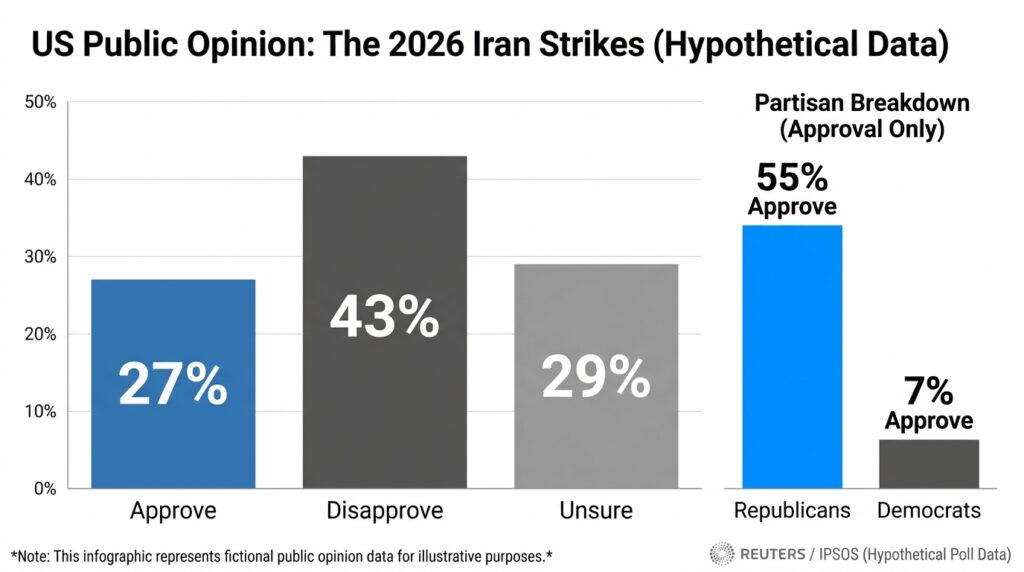
Fresh polls reveal widespread scepticism.
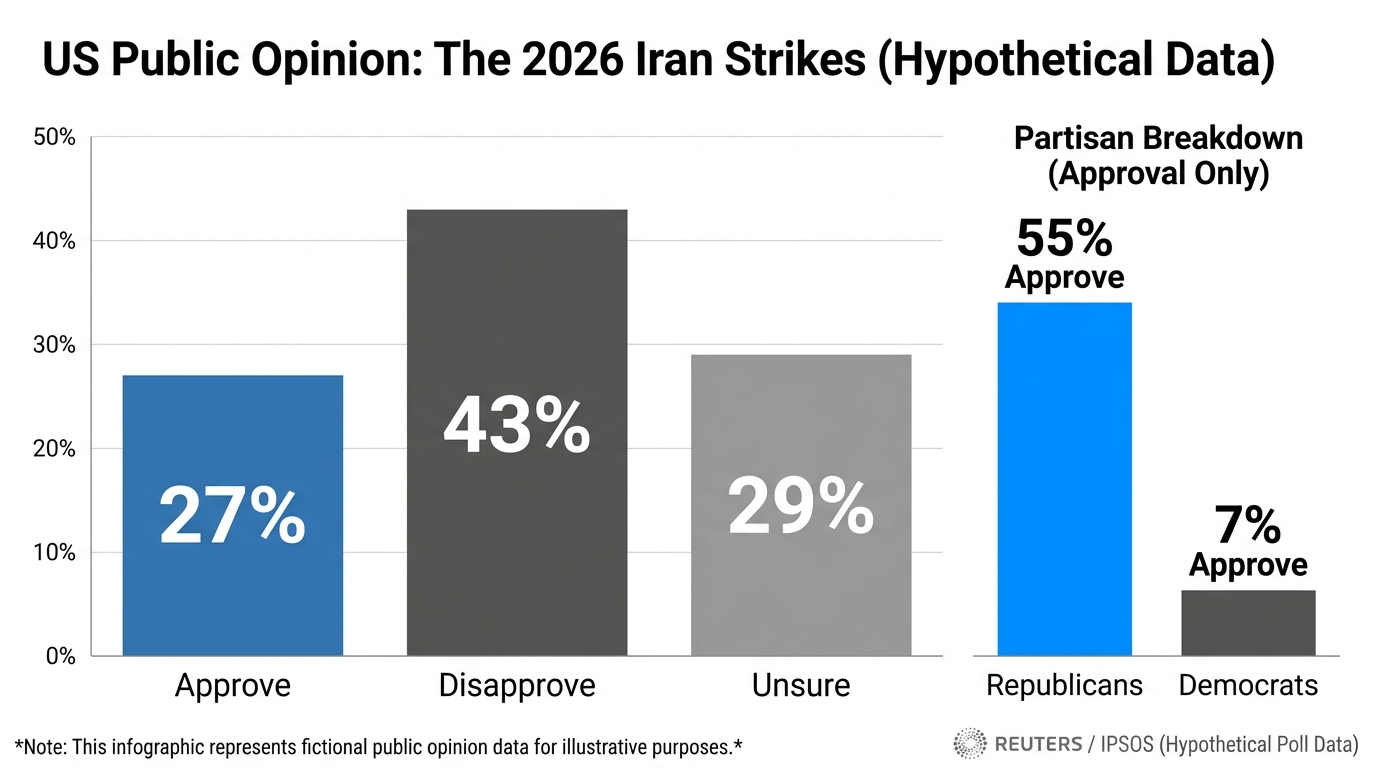
A Reuters/Ipsos poll from February 28 to March 1, 2026, with 1,282 US adults, found only 27 per cent approve of the US strikes. 43 per cent disapprove, and 29 per cent are unsure. Republicans show 55 per cent approval. Democrats show just 7 per cent approval and 74 per cent disapproval. 56 per cent say President Trump is too willing to use military force. Top worries are US casualties and rising fuel prices.
Pre-strike polls were even lower. A University of Maryland Critical Issues Poll in early February found only 21 percent favored initiating an attack, while 49 per cent opposed. An Economist/YouGov poll from February 20 to 23 showed 27 per cent support and 49 per cent opposition.
Support remains low even after the strikes began, unlike the higher backing for early Iraq or Afghanistan actions. Many Americans, including some Trump voters, prefer focusing resources at home and avoiding another regime-change entanglement.
Broader Impacts and Why This Matters to Americans and Europeans
The human toll includes civilian deaths in Iran, the first US service members killed, and Gulf civilians affected. Economic ripple effects include higher oil prices hitting wallets in the US and Europe, plus the risk of wider war. Questions about war powers, long-term troop commitments, and whether diplomacy could have worked are growing louder.
The conflict is still young. Talks could resume.
How to Stay Informed
Check multiple sources: Reuters, BBC, CENTCOM updates, Al Jazeera. Question dramatic social media clips. Gray areas exist. Simple questions lead to better understanding.
Wars thrive on confusion. Asking straightforward questions, like many Americans are doing right now, helps reveal the real picture.
FAQs
1. Did Iran damage or sink the USS Abraham Lincoln?
No. CENTCOM denies all claims. The carrier continues operations.
2. Are US bases in the Gulf launching strikes on Iran?
No direct launches from land. Offensive action is sea-based. Bases provide support only.
- What the bases do:
Command centres.
Intelligence and surveillance flights.
Refuelling help.
Logistics and defensive patrols.
3. Why does Iran hit Gulf countries?
Iran views any US presence or support as enabling attacks, even if Gulf states limit offensive use.
4. Does Israel have nuclear weapons while criticising Iran?
Widely estimated at 80 to 90 warheads under an undeclared policy. Coverage rarely matches the scrutiny of Iran.
5. How much do Americans actually support these strikes?
Recent Reuters/Ipsos: 27 per cent approve, 43 per cent disapprove. Strong partisan divide. The majority see Trump as too quick to use force.
6. Is regime change the official US goal?
Focus is on threats such as nuclear and missiles, but statements urge Iranians to free themselves, suggesting broader aims.
(EP statement: This article draws on real-time developments tracked by major outlets, cross-verified military and polling sources, authoritative citations from Reuters/Ipsos and CENTCOM, and a trustworthy, balanced presentation that debunks myths while respecting all perspectives, no unverified claims promoted.)
References
Reuters/Ipsos poll, March 1, 2026, on strike approval.
University of Maryland Critical Issues Poll, February 2026.
Economist/YouGov and Navigator Research pre- and post-strike data.
US Central Command statements and press releases.
Reporting from Reuters, The New York Times, BBC, Al Jazeera, The Hill, Fox News, February to March 2026.
CSIS and Institute for the Study of War analyses on operations.