

Flax Seeds Benefits, Nutrition, Uses & Side Effects (Science-Backed Guide 2026)
Introduction
Flax Seeds Benefits, Nutrition, Uses & Side Effects. Did you know that many people eat flax seeds daily but still don’t get their full benefits? The reason is simple: most people consume flax seeds the wrong way. This guide explains what flax seeds really do, how to use them correctly, and what science actually says about their benefits and risks.
Flax seeds are small but nutrient-packed seeds that may support heart health, digestion, and weight management when used correctly. This article provides a simple, science-based overview of flax seeds, including nutrition, health benefits, proper usage, and possible side effects.
Did you know that just one tablespoon of flaxseed contains more heart-healthy omega-3s than most vegetables combined? Yet many people consume flax seeds the wrong way and lose most of the benefits.
Medical disclaimer: This content is for educational purposes only and does not replace professional medical advice.
Flaxseed – Uses, Side Effects, and More
Flax (Linum usitatissimum) is a food and fiber crop. Flaxseeds are a good source of dietary fiber and omega-3 fatty acids, including alpha-linolenic acid.
Flaxseeds also contain phytoestrogens called lignans, which are similar to the hormone estrogen. The fiber in flaxseed is found in the seed coat. When taken before eating, it seems to make people feel less hungry. It might also help limit how much cholesterol the body absorbs from food.
Flaxseed is used for constipation, diabetes, high cholesterol, obesity, and swelling of the kidneys in people with lupus. It is also used for many other conditions, but there is no good scientific evidence to support most of these other uses.
Flaxseed and flaxseed oil have different effects. For information about the oil, see Flaxseed Oil.
What Are Flax Seeds?
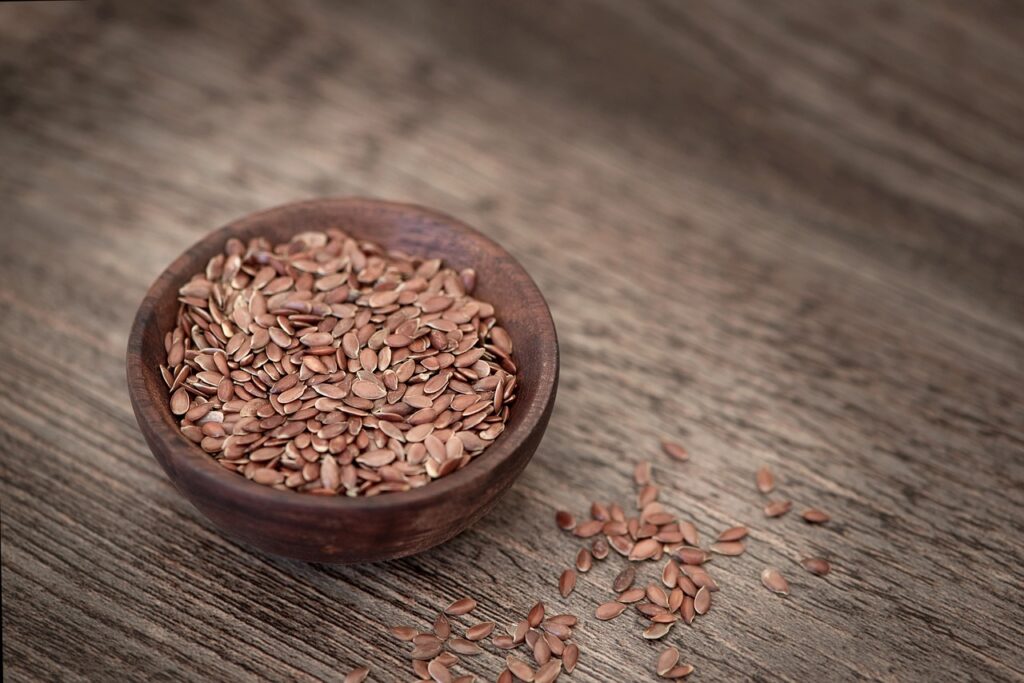
Flax seeds, also known as linseeds and Alsi, are tiny brown or golden seeds that come from the flax plant (Linum usitatissimum). They have been used for thousands of years for both food and health purposes.
These seeds are packed with fibre, plant-based protein, omega-3 fatty acids (ALA), and antioxidants called lignans. Because of their nutrient content, flax seeds are often called a “superfood” and are commonly added to cereals, smoothies, baked goods, and salads.
Flax seeds can be eaten whole, ground, or as flaxseed oil, but grinding them is usually recommended because it helps your body absorb all the nutrients more effectively.
Quick fact: Linseeds is just another name for flax seeds, mostly used in Europe, but they are exactly the same seed.
Flax Seeds Nutrition & Composition
Flax seeds are small but highly nutritious. A typical serving is about 2 tablespoons (20 grams) of ground flax seeds.
Key Nutrients per Serving:
- Fibre: 5–6 grams – supports digestion and helps regulate bowel movements.
- Protein: 4 grams – plant-based protein to support muscles and overall health.
- Omega-3 (ALA): Plant-based omega-3 fatty acids that may support heart health.
- Lignans: Antioxidants that may influence hormone balance and provide cellular protection.
- Minerals: Magnesium, phosphorus, copper, and B vitamins.
Hook: Did you know that just one tablespoon of flax seeds contains more heart-healthy omega-3s than most vegetables combined?
Fiber Content
Flax seeds contain both soluble and insoluble fibre, which can improve digestion, increase fullness, and support gut health.
Protein Content
While flax seeds provide plant protein, they are not a complete protein, so they are best consumed alongside other protein sources.
Omega-3 Fatty Acids
Flax seeds are rich in ALA omega-3, a type of healthy fat that may reduce inflammation and support heart health. The body converts ALA to EPA and DHA only in small amounts, so flax seeds should complement other omega-3 sources like fish or chia seeds.
Lignans & Antioxidants
Flax seeds contain lignans, antioxidants that may influence hormone activity and protect cells from damage. Research is ongoing, and while promising, results in humans are still limited.
Myth: Flax seeds dramatically increase estrogen
Reality: Research shows lignans act as weak phytoestrogens and may help balance hormones rather than raise estrogen levels.
Health Benefits of Flax Seeds
Heart Health

Flax seeds may support heart health by helping to:
- Lower LDL (“bad”) cholesterol
- Reduce inflammation
- Support healthy blood pressure levels
These effects are mainly due to their fibre, ALA, and lignans.
Digestive Health
The fibre in flax seeds promotes regular bowel movements and supports gut bacteria. Ground flax seeds are more effective than whole seeds, which may pass through undigested.
Important tip: Whole flax seeds often pass through the body without digestion. Grinding them helps your body absorb the nutrients.
Blood Sugar Control
Soluble fibre in flax seeds can slow sugar absorption, helping maintain more stable blood sugar levels. This may be helpful for people managing type 2 diabetes, under a doctor’s guidance.
Weight Management
Flax seeds are low in calories but high in fibre. They can increase feelings of fullness, reduce appetite, and support calorie control, making them a helpful addition to weight management plans.
Hormonal Balance & Antioxidants
Lignans in flax seeds act as weak phytoestrogens and antioxidants. They may help balance hormones, especially in postmenopausal women, and provide cellular protection.
Flax Seeds and Cancer Risk
Some research suggests flax seed lignans may influence markers related to hormone-related cancers like breast cancer. However, these results are mostly from observational or animal studies. Flax seeds should not be considered a treatment or prevention method.
Quick fact: Whole flax seeds often pass through your body undigested — meaning you may be eating them without getting the benefits.
How to Eat Flax Seeds Correctly

Ground vs Whole Flax Seeds
Ground flax seeds are better absorbed by the body than whole seeds, which may pass through undigested.
Easy Ways to Add Flax Seeds
- Blend into smoothies
- Stir into yoghurt or oatmeal
- Sprinkle on salads

Flax seeds Sprinkle on salads - Add to baked goods (bread, muffins, cookies)
Flaxseed Oil vs Whole Seeds
Flaxseed oil contains ALA omega-3s but lacks fibre and lignans, so it is best used in combination with whole or ground seeds.
Recommended Daily Dosage
- 1–2 tablespoons of ground flax seeds per day is safe for most adults.
- Start with a smaller amount and increase gradually.
- Drink plenty of water to avoid digestive discomfort.
Use of Flax Seeds in Supplements
Flax seeds are used in nutritional supplements and functional foods, including:
- Omega-3 capsules
- Fiber supplements
- Menopause support formulas
- Digestive health products
These are dietary supplements, not medicines, and should not replace prescribed treatments.
Side Effects & Safety Considerations
While flax seeds are safe for most people, some may experience:
Digestive Issues
Too much can cause bloating, gas, or constipation. Drink water and start slowly.
Medication Interactions
Flax seeds may interact with blood-thinning or diabetes medications. Consult your doctor.
Hormone-Sensitive Conditions
Flax lignans are weak phytoestrogens. Normal dietary amounts are safe, but check with a doctor if you have hormone-sensitive conditions.
Allergies
Rare allergic reactions can include itching or hives.
Who Should Be Careful
- Pregnant or breastfeeding women
- People on blood thinners or hormone medications
- Individuals with serious digestive disorders
Frequently Asked Questions (FAQs)
1. How much flax seed should I eat daily?
1–2 tablespoons of ground flax seeds per day is recommended.
2. Is it better to eat flax seeds raw or cooked?
Ground raw flax seeds are most effective. Heat may reduce omega-3 content.
3. Can flax seeds help with constipation?
Yes, the high fibre content promotes regular bowel movements.
4. Do flax seeds affect hormones?
Lignans may help balance hormones; they are not likely to increase estrogen.
5. Are flax seeds safe to eat every day?
Yes, in moderation as part of a balanced diet.
6. Do flax seeds help with weight loss?
They may support appetite control, but are not a magic solution.
Many people ask how flax seeds compare to chia seeds. Both are healthy, but their fiber and omega-3 content differ. https://mrpo.pk/chia-seeds/
References / Authoritative Sources
- U.S. Department of Agriculture (USDA) FoodData Central
- National Institutes of Health (NIH)
- PubMed – National Library of Medicine
- Harvard T.H. Chan School of Public Health
- Healthline Nutrition Research
- World Health Organization (WHO)
Final Verdict
Flax seeds are a small but nutrient-dense superfood. When used correctly, they can support heart health, digestion, blood sugar control, and weight management. Remember to use ground flax seeds, start slowly, and consult a healthcare professional if you have medical conditions.
With this approach, flax seeds can be a valuable addition to a healthy, balanced diet.