
Fenugreek Seeds: Nutrition, Health Benefits, Uses, and Safety Guide
Introduction
Fenugreek seeds, commonly known as methi dana, are widely used in traditional cooking and herbal practices. They are valued for their nutritional content and potential health benefits. Fenugreek seeds contain fibre, plant compounds, vitamins, and minerals that support overall wellness when used correctly.
What Are Fenugreek Seeds
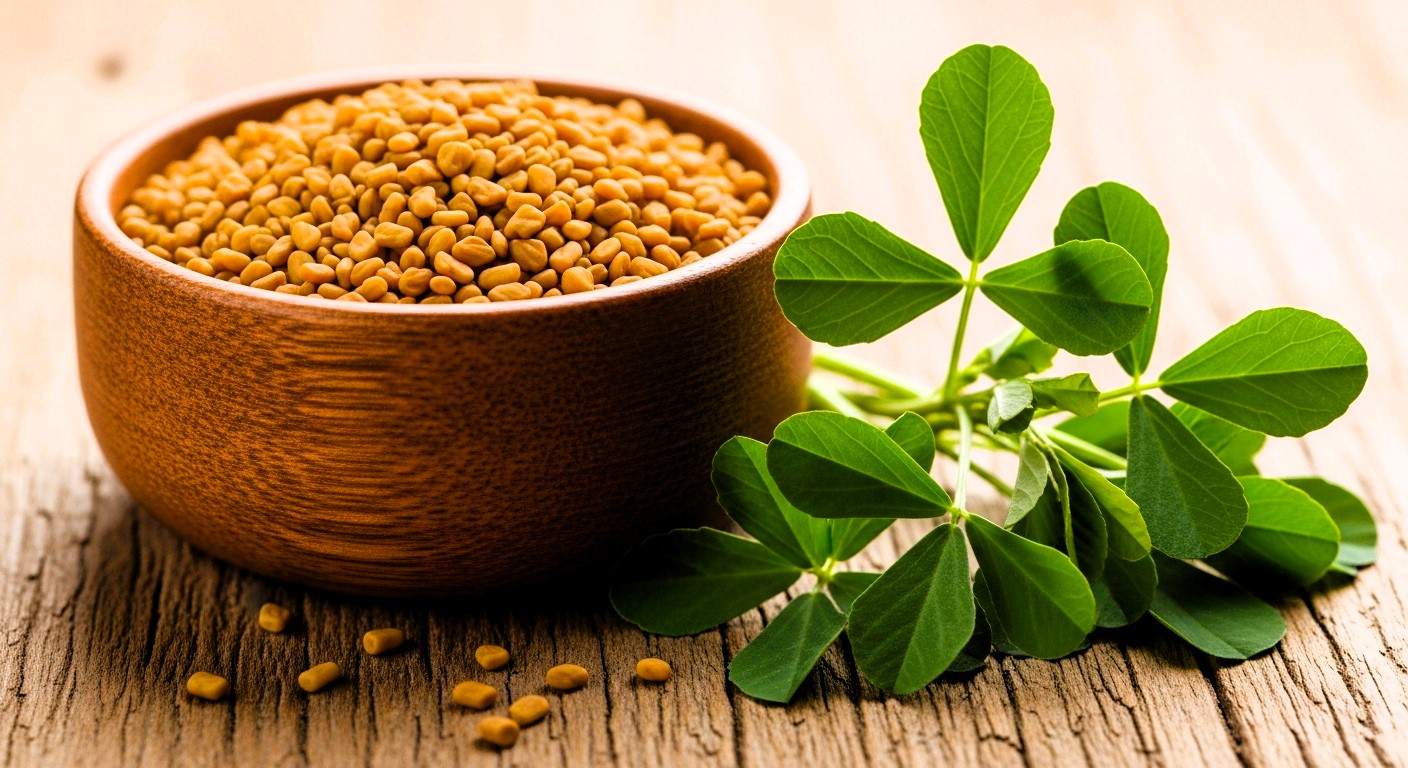
Fenugreek seeds come from the fenugreek plant, a small leafy herb belonging to the legume family. The seeds are small, hard, and golden brown in colour with a slightly bitter taste.
They are commonly used whole, soaked, powdered, or cooked in various dishes. Fenugreek seeds are also used in herbal preparations and supplements.
What is fenugreek?
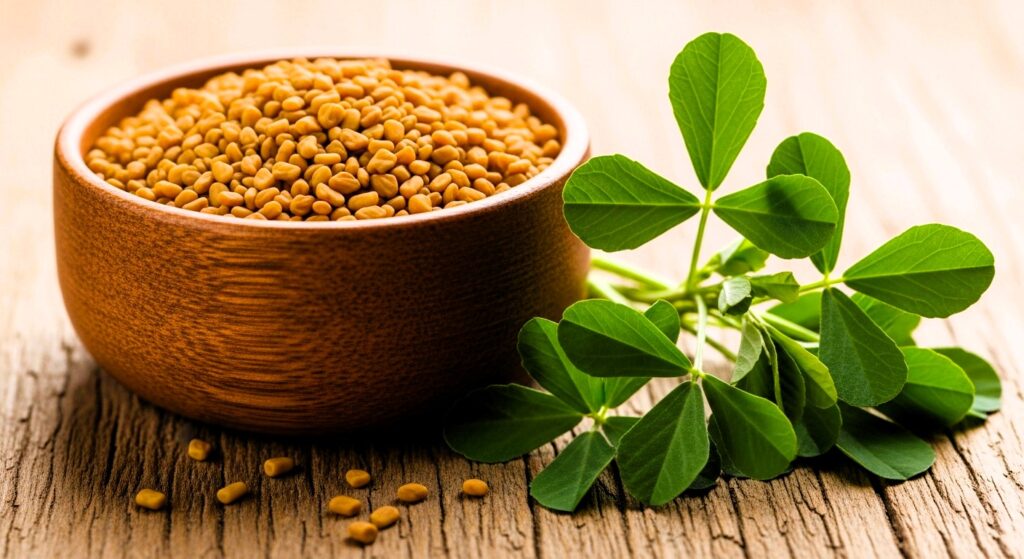
Fenugreek (Trigonella foenum-graecum) is a plant that stands around 2–3 feet (60–90 centimeters) tall. It has green leaves, small white flowers, and pods that contain small, golden-brown seeds.
For thousands of years, fenugreek has been used in alternative and Chinese medicine to treat skin conditions and many other diseases. It is also a common household spice and thickening agent and can be found in many products, such as soap and shampoo.
Fenugreek seeds and powder are also used in many Indian dishes for their nutritional profile and slightly sweet, nutty taste.
SUMMARY Fenugreek is an interesting herb with diverse uses and many potential health benefits.
Nutritional Profile of Fenugreek Seeds
These seeds are rich in fibre and bioactive compounds that contribute to their health benefits.
Key Nutrients
- Dietary fiber
- Plant-based protein
- Iron
- Magnesium
- Potassium
- Vitamin B6
- Antioxidant compounds
Seeds also contain natural compounds such as saponins and flavonoids.
Health Benefits
Supports Blood Sugar Control
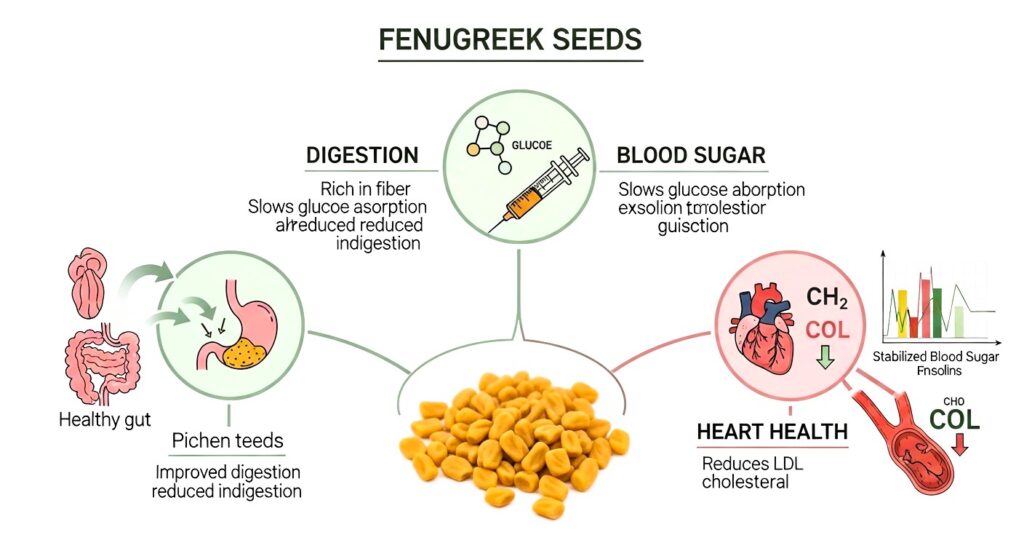
Seeds are widely studied for their role in supporting healthy blood sugar levels. Their high fibre content slows carbohydrate digestion and absorption, which may help prevent sudden blood sugar spikes.
Fenugreek seeds are often used as part of dietary plans for people managing blood sugar concerns.
Supports Digestive Health
The soluble fibre in seeds helps promote healthy digestion. It supports regular bowel movements and may help reduce digestive discomfort.
Soaked seeds are traditionally consumed to support gut health.
May Support Cholesterol Balance
These seeds contain fibre and plant compounds that may help reduce cholesterol absorption in the digestive system. Regular intake as part of a balanced diet may support heart health.
Supports Hormonal Balance
Fenugreek seeds are traditionally used to support hormonal health. They contain plant compounds that may influence hormone activity, particularly in women.
They are also commonly used to support milk production during breastfeeding, although medical guidance is advised.
Anti-Inflammatory and Antioxidant Properties
These seeds contain antioxidants that help protect cells from oxidative stress. These properties may help reduce inflammation and support overall cellular health.
May Support Appetite and Weight Management
Fenugreek seeds are high in fibre, which promotes fullness and may help reduce overeating. This can be useful in weight management when combined with a healthy diet.
How to Use
Soaked Fenugreek Seeds
Soaking seeds overnight softens them and reduces bitterness. They can be consumed in the morning with water.
Fenugreek Powder
These seeds can be dried and ground into powder. This powder is used in cooking or mixed with warm water.
Cooking with Fenugreek Seeds
Is commonly used in curries, lentils, and spice blends. Cooking reduces bitterness and improves flavour.
Fenugreek Tea
Fenugreek tea is prepared by boiling the seeds in water. It is consumed for digestive and metabolic support.
Recommended Daily Intake
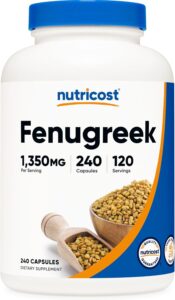
A common daily intake is one teaspoon of seeds or half a teaspoon of powder. Excessive intake should be avoided due to strong bioactive compounds.
Consult a healthcare professional for long-term or therapeutic use.
Potential Side Effects and Precautions
The seeds are generally safe but may cause side effects in some individuals.
- Digestive discomfort when consumed in excess
- Strong smell in sweat or urine
- Possible interaction with blood sugar medications
- Not recommended during pregnancy without medical advice
People with allergies to legumes should exercise caution.
Fenugreek Seeds Compared to Other Seeds
- Higher fibre than sunflower seeds
- Stronger effect on blood sugar than sesame seeds
- Lower fat content compared to pumpkin seeds
These seeds are especially valued for metabolic and digestive support.
FAQs
1. Can fenugreek seeds be eaten daily
Yes, when consumed in small amounts.
2. Are these seeds good for blood sugar control
Yes, they may help support stable blood sugar levels.
3. How should seeds be consumed
They can be soaked, powdered, cooked, or brewed as tea.
4. Do seeds help digestion
Yes, their fibre supports digestive health.
5. Are these seeds safe during pregnancy
They should only be used under medical supervision.
6. Can fenugreek seeds help with cholesterol
They may support healthy cholesterol levels as part of a balanced diet.
References
- Healthline: Fenugreek Benefits and Uses
https://www.healthline.com/nutrition/fenugreek - WebMD: Fenugreek Overview
https://www.webmd.com/vitamins/ai/ingredientmono-733/fenugreek - National Center for Biotechnology Information: Fenugreek Studies
https://www.ncbi.nlm.nih.gov - Harvard Health: Dietary Fiber and Health
https://www.health.harvard.edu
Suggested Internal Links
- Black Seeds: https://mrpo.pk/black-seeds/
- Sesame Seeds: Nutrition and Uses https://mrpo.pk/sesame-seeds/
- Sunflower Seeds: Health Benefits https://mrpo.pk/sunflower-seeds/
- Immune Boosting Foods https://mrpo.pk/immune-boosting-foods/
This post contains affiliate links, which means I earn a commission if you purchase through these links. This comes at no additional cost to you and helps support the content I create. I only promote products/services I believe in and use myself. Your support is greatly appreciated!
Disclaimer: The content in this article is intended for informational and educational purposes only. It provides insights, tips, and general guidance on health, beauty, and wellness, but it is not a substitute for professional medical advice, diagnosis, or treatment.
Always consult a qualified healthcare professional for personal medical concerns. For more information about our approach to health and wellness content, please read our Health & Wellness Disclaimer.