
Does the Human Heart Think?
Understanding the Brain, the Heart, and Human Consciousness
Does the Human Heart Think? For most of our lives, we are taught one simple idea:
The brain thinks.
The heart only pumps blood.
This belief feels obvious. The brain solves math problems, remembers names, and plans the future. The heart beats quietly in the background, keeping us alive.
But life often reminds us that logic alone cannot explain everything.
You feel uneasy about a decision that looks perfect on paper.
You trust someone without being able to explain why.
You sense danger before you can name it.
So a simple question arises:
Is thinking really limited to the brain, or is something else involved?
Modern science is beginning to explore this question seriously. Interestingly, Islam and thinkers like Allama Iqbal raised the question centuries before laboratories existed.
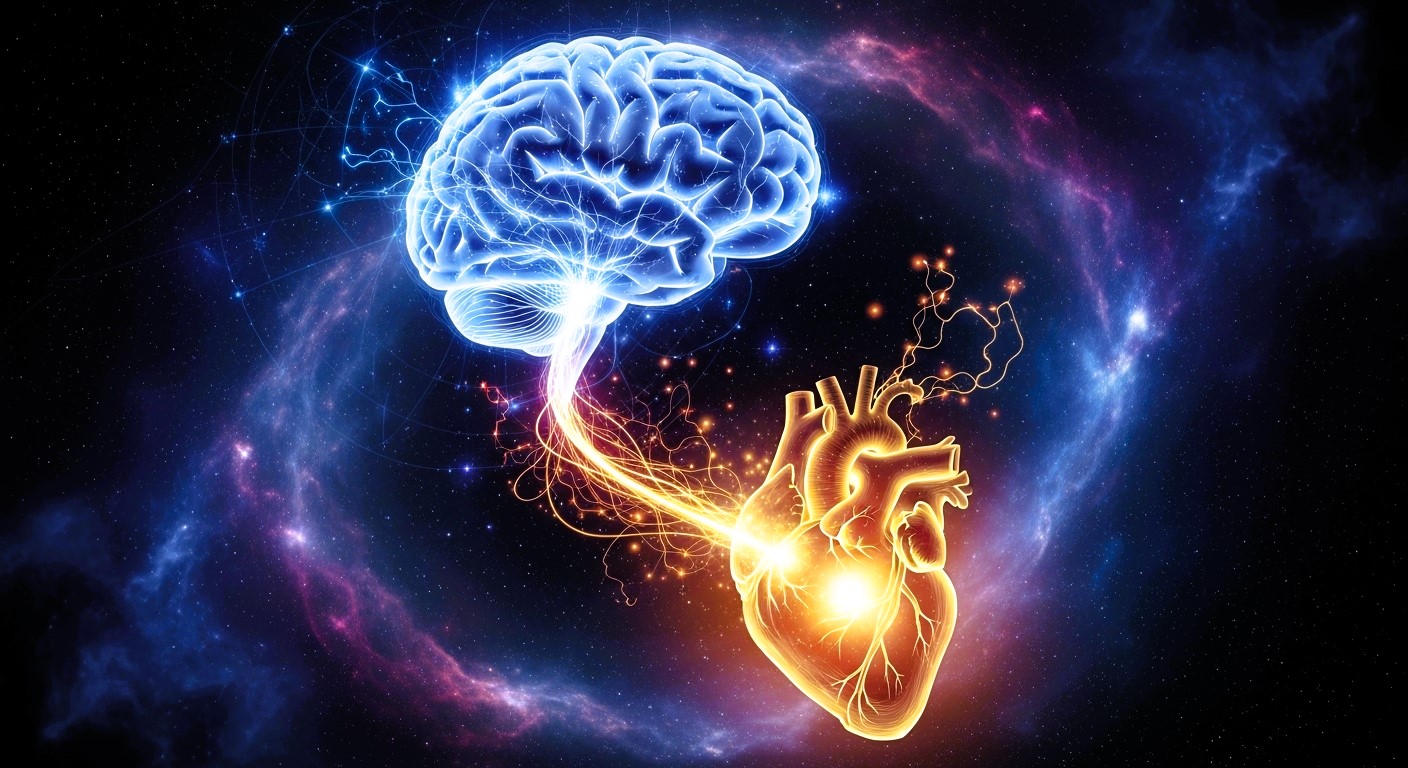
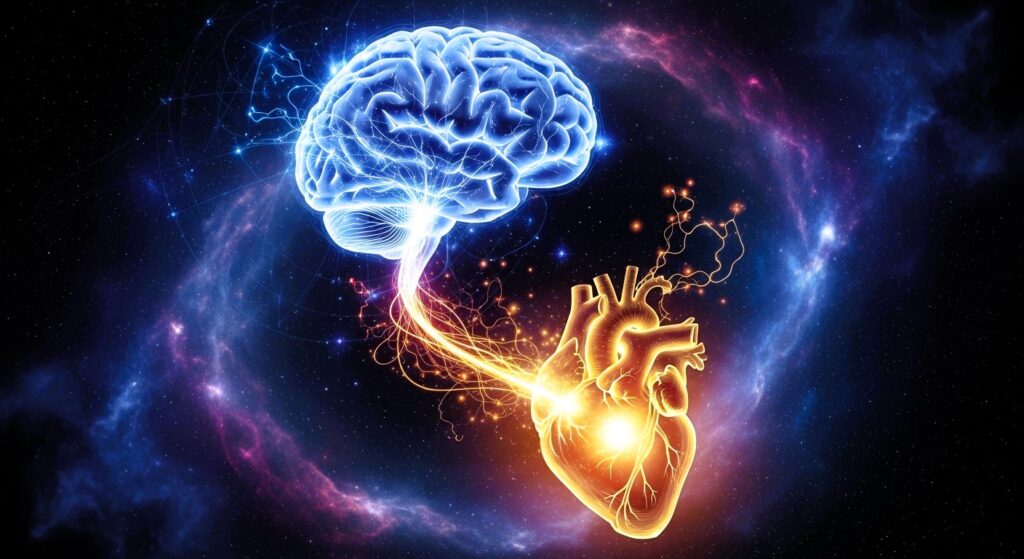
2. Heart-brain interactions. Does the Human Heart Think?
The bidirectional communication between the heart and the brain constitutes a major body-brain axis. In collaboration with other groups in the department (Somatosensory, NID), we study brain-heart coupling and its link to mental phenomena, particularly emotions or stress.
https://www.cbs.mpg.de/1833007/heart-brain-interactions?utm_source=chatgpt.com
The Brain and Its Role in Thinking
The brain is the main centre of cognition.
It controls memory, speech, reasoning, movement, and planning. It contains billions of neurons that communicate through electrical and chemical signals. These signals allow us to calculate, analyse, imagine, and learn.
Brain activity can be measured through brain waves such as alpha, beta, and gamma waves. These patterns change depending on focus, stress, sleep, and emotion.
There is no denying this truth.
The brain is essential for intelligence.
But intelligence is not the same as wisdom. Highly intelligent people still make harmful decisions. They understand consequences, yet repeat mistakes.
This tells us something important.
Thinking alone does not guarantee understanding.
The Limits of Pure Logic
Logic works best in controlled situations ، numbers, rules, and fixed problems.
Human life is not like that.
Relationships, moral choices, fear, hope, love, and regret do not follow neat formulas. In these moments, logic often arrives late.
Think about trust. You do not calculate trust with equations. You feel it.
Psychologists have shown that emotions influence decision-making far more than we like to admit. When emotions are ignored, decisions become cold, risky, or detached from human consequences.
This does not mean emotions should control us.
It means ignoring them is dangerous.
The Heart Is Not Just a Mechanical Pump
For centuries, medicine treated the heart as a simple pump. Its role was circulation, nothing more.
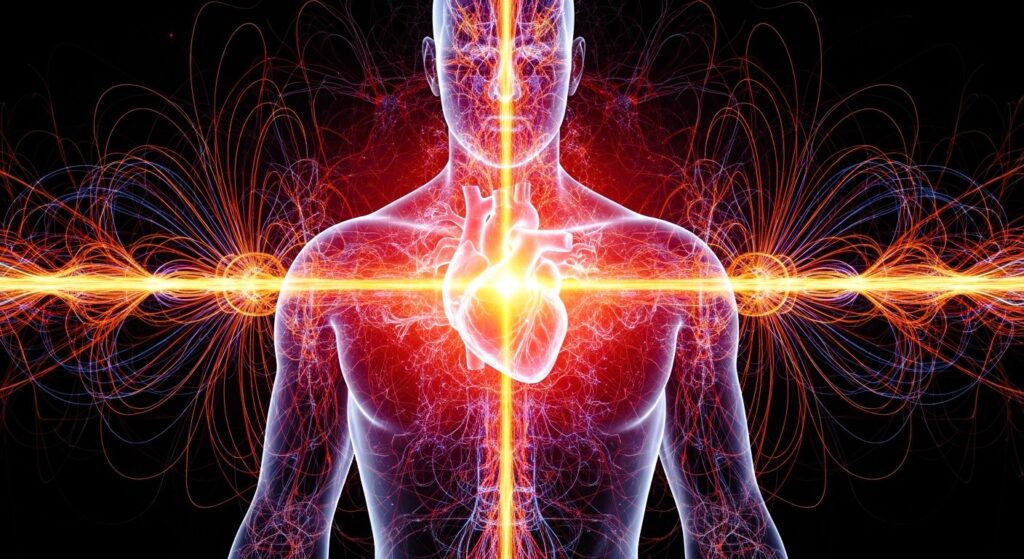
Does the Human Heart Think? This view began to change with the study of neurocardiology. Researchers discovered that the human heart has its own small network of neurons. Roughly forty thousand nerve cells form what scientists call the intrinsic cardiac nervous system.
This network allows the heart to send signals to the brain and receive signals back.
Important clarification:
- The heart does not think like the brain
- The heart strongly influences emotions, stress levels, and decision-making
This discovery opened a new understanding of the human system.
How the Heart and Brain Communicate
The heart and brain are in constant conversation. Signals travel through the vagus nerve and chemical messengers in the blood. These signals affect attention, emotional balance, and reaction speed.
- When the heart rhythm is steady and balanced, the brain functions calmly. Focus improves. Decisions become less impulsive.
- When the heart rhythm is irregular due to stress or fear, the brain becomes reactive. Logical thinking weakens.
We often say, “My heart was not in it.” Science now understands this as a real physiological state.
-
“Reviews show that physiological heart–brain connections are linked with both mental health and cardiovascular disease.” — link to Brain–Heart Communication review.
Emotional Intelligence and Intuition
Intuition is often misunderstood.
It is not magic. It is not guesswork.
Intuition is the brain recognising patterns quickly, guided by emotional memory and bodily signals.
The heart plays a role in this process by influencing emotional awareness. That quiet sense of right or wrong often appears before conscious thought.
This explains why experienced people sense danger or opportunity quickly. Their heart and brain have learned together.
Understanding this does not weaken science. It strengthens it.
The Quran and the Concept of the Heart
The Quran speaks about understanding in a way that feels different from modern textbooks.
Again and again, the Quran refers to the heart as a centre of comprehension:
“They have hearts with which they do not understand.”
Surah Al-A‘raf, verse 179
This does not suggest that the heart replaces the brain.
It points to a deeper idea: understanding includes moral awareness, intention, and sincerity.
A person may know facts and still be blind to the truth.
Classical Islamic Understanding of the Heart
Classical Islamic scholars described the heart as the centre of intention, moral judgment, and spiritual awareness. The brain processes information. The heart gives direction.
This model is balanced:
- Reason is valued
- Knowledge is encouraged
- Intellect without ethical grounding is incomplete
It avoids two extremes: blind emotion without thought and cold logic without compassion.
Allama Iqbal and the Balance Between Heart and Reason
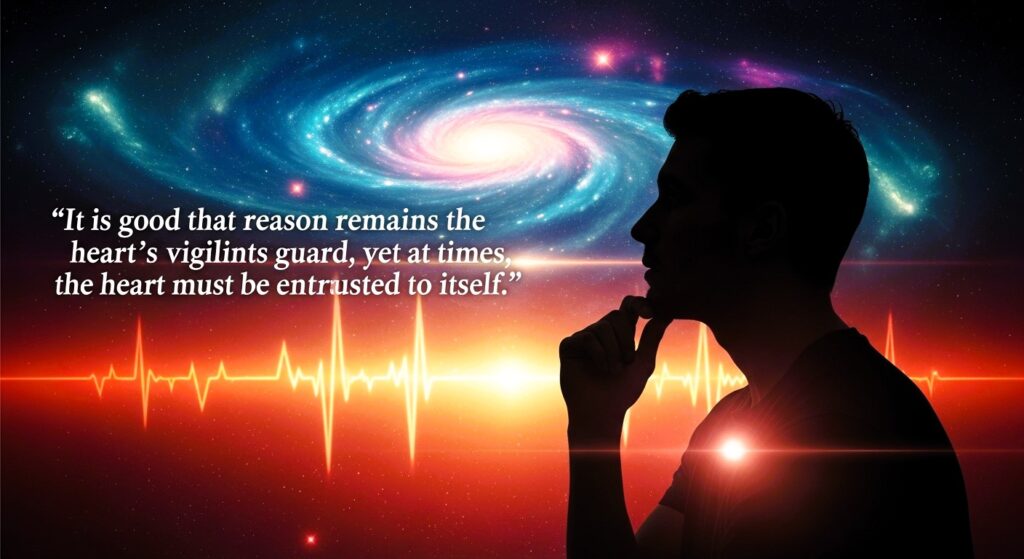
Allama Iqbal expressed this beautifully:
اچھا ہے دل کے ساتھ رہے پاسبانِ عقل
لیکن کبھی کبھی اسے تنہا بھی چھوڑ دے
Iqbal respects reason, but warns:
- When reason dominates completely, it becomes rigid
- When reason listens to the heart, it becomes wise
The heart gives vision. The intellect organises it. This is a model for healthy human thinking.
Intention: Where Heart and Brain Meet
The Prophet Muhammad ﷺ said:
“Actions are judged by intentions.”
Intention is the intersection of brain and heart.
- The brain plans an action
- The heart gives it meaning
Modern psychology agrees: goals driven by deep intention lead to stronger commitment and better outcomes. Empty actions fail to sustain effort. Islam recognised this long before psychology had a name.
Why Anger Silences Logic
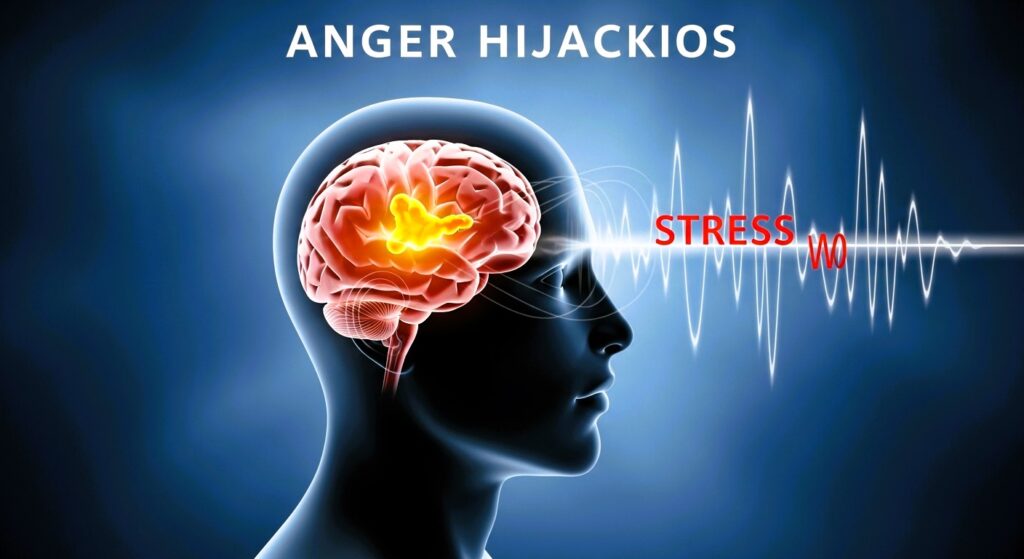
Anger offers a clear example of what happens when emotional systems overpower rational thinking.
- During intense anger, the prefrontal cortex shuts down
- The amygdala dominates, sending fight-or-flight signals
- The heart rhythm becomes irregular
- Logical evaluation collapses
People often act in ways that feel completely out of character and regret those actions later. Anger does not reveal who we are. It reveals what happens when brain–heart balance is lost.
Extreme Anger and Moral Responsibility
Sometimes anger leads to tragic actions, even violence.
During extreme rage:
- Both the brain and the heart fail to cooperate
- Decisions are driven by emotion, not reason
- Later, the rational brain returns, producing regret and guilt
Responsibility is shared in function but personal in morality:
- Blaming only the heart ignores the rational brain
- Blaming only the brain ignores emotional overwhelm
- True responsibility requires training both the brain and the heart to act ethically
This aligns with Islamic teaching:
- Actions are judged by intention
- Self-control and heart–brain discipline are essential to prevent harm
Research Imperative: Studying Extreme Anger
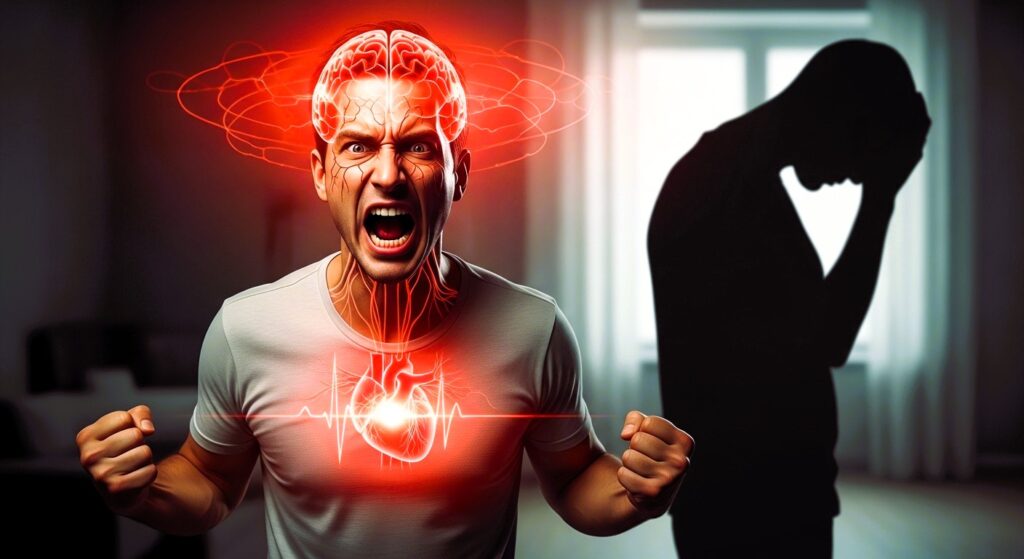
Extreme anger reveals a powerful truth: the brain’s rational control centres can go offline, leaving the emotional system to dominate.
Scientists need to study this thoroughly:
- How does the prefrontal cortex shut down under intense stress?
- How do the heart’s signals affect decision-making?
- Why do some recover faster than others?
- What are the long-term effects of repeated extreme anger?
Connecting this research with classical knowledge (Quranic guidance and Iqbal’s philosophy) could help:
- Prevent tragic outcomes
- Teach emotional regulation
- Align intention, brain, and heart for wiser decisions
Thoughts, Emotions, and Long-Term Well-Being
Thoughts do not stay isolated in the mind.
- Repeated negative thoughts create emotional patterns
- These patterns affect stress, sleep, and physical health
- Chronic anger, jealousy, and resentment weaken both heart and brain
Islam calls this disease of the heart. Psychology calls it emotional dysregulation. Different languages, same reality.
Technology, the Brain, and Human Responsibility
Modern technology can detect and interpret some brain signals. This raises questions:
- Who controls the data?
- How is consent protected?
- Can behaviour be manipulated?
Technology influences action, but cannot replace conscience. Inner awareness and discipline remain the ultimate protection.
Self-Purification and Inner Discipline
Islam emphasises tazkiyah (purification of the self):
- Awareness of thoughts, intentions, and emotions
- Inner discipline supports a clear mind
- Modern psychology calls this mindfulness and emotional regulation
A disciplined heart supports a balanced brain, allowing ethical action even in stressful moments.
The Human Being as a Unified System
Humans are not separate parts:
- Brain thinks
- Heart feels and guides
- Body reacts
When these work together, decisions are wise. When they conflict, confusion dominates. Balanced brain–heart function produces true human understanding.
Final Reflection
The heart does not replace the brain. The brain does not replace the heart.
True understanding comes from balance:
- Brain for logic
- Heart for moral and emotional guidance
- Intentionally aligning both
This balance is timeless. It is human.
FAQs
Q1: Can the heart really think?
No, the heart does not think like the brain, but it influences emotions, intuition, and moral awareness, which affect decision-making.
Q2: Why do we act against ourselves in anger?
Intense anger temporarily shuts down rational brain centres, while emotional and bodily systems dominate, leading to actions we regret later.
Q3: How can one train the brain and heart to work together?
Through mindfulness, emotional regulation, self-reflection, and ethical practice (tazkiyah). Awareness of thoughts and intentions is key.
Q4: How does Islamic teaching align with science here?
Islam emphasises the heart as a centre of moral awareness and the importance of intention, aligning with neuroscience showing emotion and cognition interaction.
Q5: Can technology read or control our thoughts?
Current technology can detect some brain activity, but cannot fully interpret or control thoughts. Personal discipline and awareness remain critical.
Q6: Why is extreme anger so destructive?
Extreme anger overwhelms both heart and brain coordination, shuts down logic, and floods the body with stress hormones, leading to impulsive and sometimes harmful actions.
References
- McCraty, R., Atkinson, M., Tomasino, D., & Bradley, R. T. (2009). The coherent heart: Heart-brain interactions, psychophysiological coherence, and the emergence of system-wide order.
- LeDoux, J. (2015). Anxious: Using the Brain to Understand and Treat Fear and Anxiety.
- Joseph, R. (2012). Neuropsychology: Clinical and Experimental Foundations.
- Quran, Surah Al-A‘raf 7:179, Surah Al-Zalzalah 99:7
- Iqbal, M. (1930). Bang-i-Dara and Bal-i-Jibril
- Goleman, D. (1995). Emotional Intelligence: Why It Can Matter More Than IQ.