
Why You Feel “Tired but Wired”: A Simple Guide to Beating Anxiety and Depression
Updated: Feb,2026
Depression and Anxiety, the chemical cocktail of being “exhausted but unable to sleep”, isn’t a personality trait. It’s a design flaw in modern living. If you feel like a vibrating ghost, tired but your brain won’t shut up, congratulations, you’ve hit the mental health jackpot.
In the US and Europe, almost half of the people who feel depressed also deal with anxiety. It’s not a “weakness.” It’s a biological glitch. Your brain’s alarm system is stuck on “Loud,” but your battery is at 1%.

The Big Four: Who Are You Fighting For?
1. Kids & Teens: The Digital Overload
You’re the first generation to grow up with a global audience in your pocket. Between TikTok and school, your brain is fried.
-
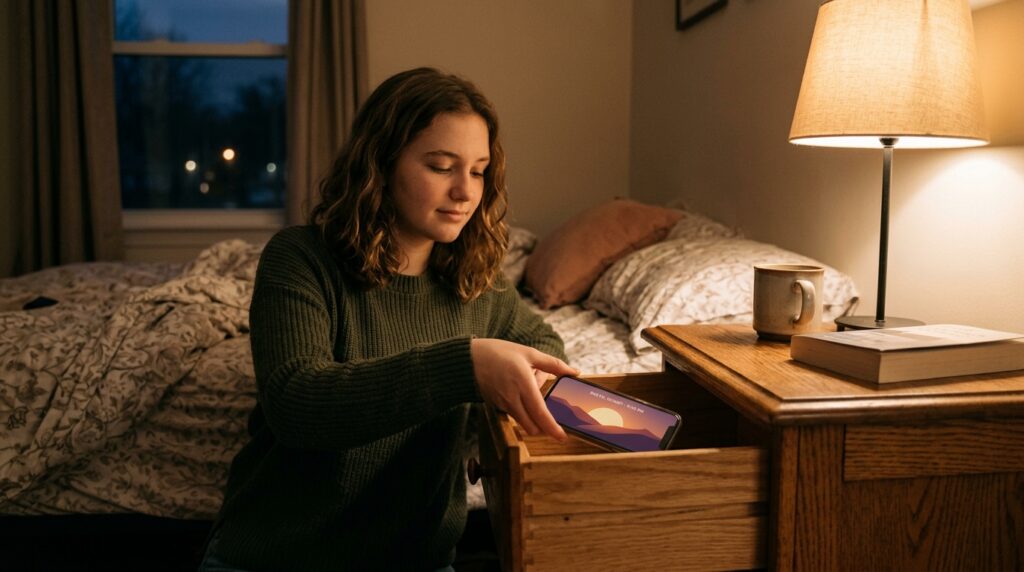
The Fix: Use a “Digital Sunset.” Put the phone in a kitchen drawer 60 minutes before bed. Your brain needs to “power down” just like a laptop.
2. Women: The “Invisible” Boss
Women often carry the “Mental Load” remembering everyone’s schedule, chores, and feelings. This leads to deep burnout.
-
The Fix: Practice “Strategic Laziness.” You don’t have to be perfect. The world won’t end if the laundry stays in the dryer for two days.

3. Men: The Silent Pressure
Guys are often told to “be tough,” which usually just turns sadness into anger or overworking.
-
The Fix: Action is your medicine. Don’t just sit and think; go do something. Fixing a bike or hiking with a friend counts as therapy.
4. Seniors: The Search for Purpose
Retirement can feel like being sidelined. Loneliness isn’t just sad; it’s bad for your heart.
-
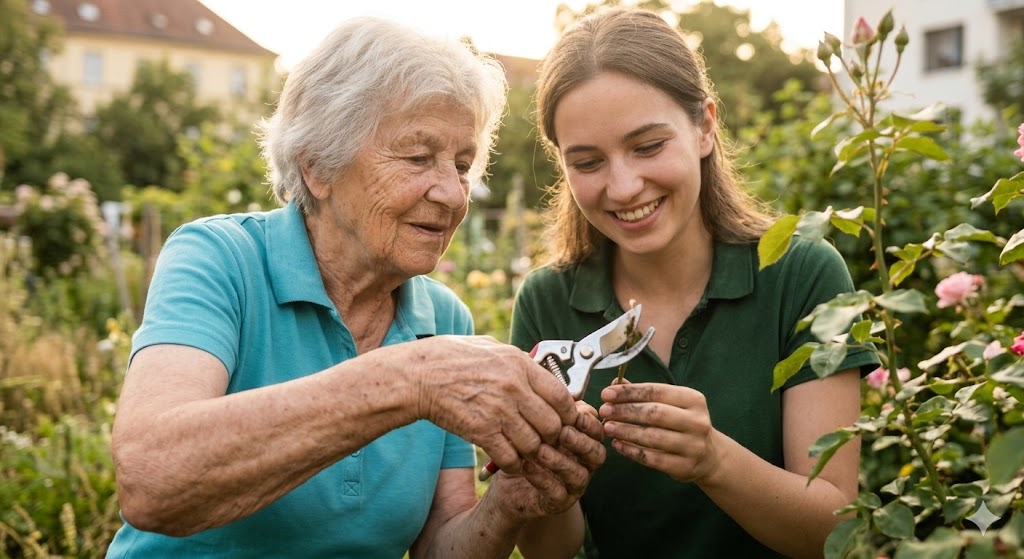
The Fix: Be a mentor. Teaching a younger person a skill (like gardening or woodshop) is a natural antidepressant.
Depression and Anxiety: The “Mental Health Toolkit” Common Household Items
You don’t always need a pharmacy; sometimes your environment can do the heavy lifting.
-
Epsom Salts (Magnesium): A warm bath with Epsom salts allows for transdermal magnesium absorption, which helps relax muscles and soothe an anxious nervous system.
-
Herbal Teas (The Ritual): Beyond the ingredients (like Chamomile or Valerian root), the ritual of making tea creates a psychological “boundary” between a stressful workday and rest.
-
Houseplants: Studies show that “Green Therapy” even just caring for a pothos or snake plant, reduces heart rate and improves air quality, creating a more tranquil “Sanctuary Space” at home.
You don’t always need a pharmacy. Sometimes your environment needs a tune-up.
-
Weighted Blankets: These feel like a heavy hug. They tell your nervous system to stop panicking and start relaxing.
-
The Sunlight Rule: Get outside for 10 minutes every morning. Even if it’s cloudy in London or Seattle, that light resets your “internal clock” so you can sleep at night.
3 . Habits to Reset Your Brain Today
-
The Cold Water Shock: If you feel a panic attack coming, splash ice-cold water on your face. It “shocks” your heart rate into slowing down.
-
The 4-7-8 Breath: Breathe in for 4 seconds, hold for 7, and blow out like you’re using a straw for 8. It’s a “reset” button for your nerves.
-
The Gratitude Jar: Every night, write one good thing that happened on a scrap of paper. It trains your brain to look for “wins” instead of “fails.”
Overcoming depression and anxiety naturally.
Frequently Asked Questions (FAQs): Depression and Anxiety
1. Is it normal to feel sad and stressed at the same time?
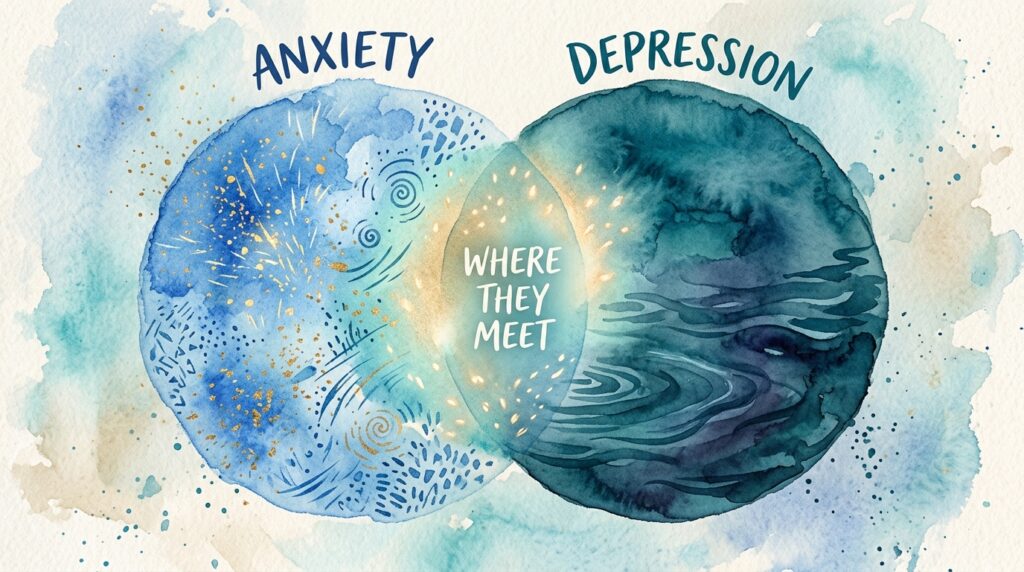
Absolutely. Anxiety is the “speeding up”, and depression is the “slowing down.” They often take turns making you miserable.
2. Can a blanket really help my anxiety?
Yes. Weighted blankets use “Deep Pressure Touch” to lower stress hormones. It’s simple physics for your nervous system.
3. Why do I feel worse after scrolling on my phone?
Social media makes us compare our real lives to other people’s “fake” highlight reels. It’s a recipe for feeling “not good enough.”
4. Does eating healthy really change my mood?
Yes. Your gut produces 95% of your serotonin (the “happy” chemical). If you eat junk, your brain feels like junk.
5. How do I help a friend who is struggling?
Just show up. You don’t need to give a speech. Being a “safe space” where they don’t have to pretend to be okay is the best gift.
6. When should I talk to a professional?
If you can’t get out of bed, or if your “bad days” have lasted more than two weeks straight, it’s time to call in a pro.
References:
- Mayo Clinic: Depression and Anxiety: Can you have both?
- Harvard Health: The Gut-Brain Connection.
- National Sleep Foundation: How Light Affects Your Sleep.
In recent years, the rising trends of depression and anxiety among housewives in middle-class families across countries have become a significant concern. This phenomenon is driven by socio-economic, cultural, and psychological factors that uniquely affect these women.
Gender Disparities: During the pandemic, both depression and anxiety prevalence rose significantly. However, the increase was more pronounced among women. Women faced additional stressors, such as taking on more household responsibilities and dealing with the gender pay gap. Even before the pandemic, women had higher rates of these disorders1.
This article explores the Depression and Anxiety trends in depth, shedding light on the underlying causes, the impacts on individuals and families, and potential strategies for alleviation.
Understanding Depression and Anxiety in Housewives
Depression and anxiety are mental health disorders characterised by persistent feelings of sadness, hopelessness, and excessive worry. These conditions can severely impact daily functioning, relationships, and overall well-being. Housewives, particularly in middle-class families, often face unique stressors that contribute to these conditions.
Socio-Economic Factors Contributing to Depression and Anxiety
- Financial Strain: Middle-class families in Asian countries often experience financial strain, which can lead to stress and anxiety. Middle-class and lower-middle-class individuals face immense economic stress due to inflation, job insecurity, and the struggle to meet basic needs. The rising prices of essential commodities, such as food, housing, and healthcare, directly affect their well-being.
- Employment and Economic Dependency: Many housewives in these families are economically dependent on their spouses, leading to feelings of helplessness and lack of control. This dependency can exacerbate feelings of low self-worth and contribute to depression. The fear of not being able to afford necessities can lead to anxiety and depression. When people constantly worry about making ends meet, it takes a toll on their mental health
Cultural Expectations and Mental Health
- Traditional Gender Roles: Cultural norms in many Asian countries dictate that women should prioritize family and household duties over personal ambitions. These expectations can limit opportunities for personal growth and fulfilment, leading to feelings of frustration and inadequacy.
- Hopelessness: The philosophy of hopelessness emerges from a belief that circumstances won’t improve. When people feel trapped in their economic situation, hopelessness sets in, affecting mental health.

- Social Isolation: Housewives often experience social isolation due to their domestic responsibilities. Limited interaction with peers and a lack of social support can heighten feelings of loneliness and contribute to mental health issues. Social disparities exacerbate feelings of hopelessness. Seeing stark differences in living standards—luxury versus struggle—can create a sense of injustice and despair
Psychological Factors and Mental Health
Identity and Self-Worth: Housewives may struggle with identity and self-worth issues, feeling defined solely by their roles within the family. The lack of recognition for their contributions can lead to feelings of invisibility and depression.
Self-pity: Self-pity refers to an emotion where one feels sorrow and pity directed toward oneself due to internal or external suffering. It often involves dwelling excessively on one’s own misfortunes or problems1. In simpler terms, it’s feeling sorry for oneself, sometimes to an indulgent extent2. If you ever find yourself caught in the web of self-pity, remember that acknowledging your feelings and seeking support can help you overcome it.
Excessive self-pity can have several negative consequences on mental and emotional well-being. Here are some potential effects:
 Depression and Anxiety: Constantly focusing on one’s problems and feeling victimised can lead to depressive symptoms and heightened anxiety. It becomes difficult to see the positive aspects of life.
- Isolation: Self-pity often leads to withdrawal from social interactions. When someone believes they are the only one suffering, they may isolate themselves, which can exacerbate feelings of loneliness.
- Stagnation: Instead of taking proactive steps to improve their situation, individuals caught in self-pity may remain stuck in their misery. They may avoid seeking help or making necessary changes.
- Relationship Strain: Excessive self-pity can strain relationships. Friends and family may find it challenging to be around someone who constantly complains and refuses to see any positive aspects of life.
- Physical Health Impact: Chronic stress associated with self-pity can negatively affect physical health. It may weaken the immune system, disrupt sleep patterns, and contribute to conditions like high blood pressure.
- Self-Fulfilling Prophecy: When someone believes they are doomed to fail or suffer, their negative mindset can become a self-fulfilling prophecy. They may inadvertently sabotage their progress.
- Lack of Resilience: Resilience involves bouncing back from adversity. Excessive self-pity undermines resilience by preventing individuals from developing coping strategies and problem-solving skills.
Remember that acknowledging feelings is essential, but dwelling excessively on self-pity can hinder personal growth and happiness. Seeking professional help or talking to a trusted friend can provide healthier perspectives and coping mechanisms.
Practical steps to avoid excessive self-pity: Depression and Anxiety
- Self-Reflection: Take time to reflect on your feelings. Understand why you’re feeling this way and recognise patterns of self-pity. Awareness is the first step toward change.
 Gratitude Practice: Regularly express gratitude for the positive aspects of your life. Keep a gratitude journal or simply take a moment each day to appreciate what you have.
- Shift Focus: Instead of dwelling on problems, shift your focus to solutions. Ask yourself, “What can I do to improve this situation?” Take small steps toward positive change.
- Seek Support: Reach out to friends, family, or a therapist. Talking about your feelings with someone you trust can provide perspective and emotional relief.
- Challenge Negative Thoughts: When self-pity creeps in, challenge negative thoughts. Are they based on facts or assumptions? Replace them with more realistic and positive perspectives.
- Practice Self-Compassion: Treat yourself with kindness. Understand that everyone faces challenges, and feeling down sometimes is okay. Avoid harsh self-criticism.
Engage in Activities: Participate in activities that bring joy or a sense of accomplishment.

Whether it’s a hobby, exercise, or volunteering, staying active helps combat self-pity.

Limit Victim Language: Be mindful of the language you use. Avoid phrases like “Why me?” or “I can’t handle this.” Instead, focus on empowerment and resilience.
- Set Goals: Set realistic goals and work toward them. Achieving even small milestones can boost your confidence and reduce feelings of helplessness.
- Practice Mindfulness: Mindfulness techniques, such as meditation or deep breathing, can help
 you stay present and reduce rumination about past or future problems.
Remember, self-pity is a natural emotion, but it’s essential to manage it effectively. You’re not alone, and seeking professional help if needed is a sign of strength.
Coping Mechanisms
- Many housewives lack effective coping mechanisms for dealing with stress and emotional challenges. Without proper support and resources, they may resort to unhealthy coping strategies, exacerbating their mental health problems. Unlike the wealthy, middle-class individuals often lack access to mental health services. The stigma around seeking help further compounds the issue.
Case Studies from South Asian Countries
In South Asian countries, the prevalence of depression and anxiety among housewives is notably high. Societal pressure to maintain a perfect household and the stigma associated with seeking mental health support contribute significantly to this issue.
Economic hardship and traditional gender roles heavily influence the mental health of housewives. Many women struggle with balancing household duties and economic pressures, leading to high levels of stress and anxiety.
Impacts on Families and Society
- Family Dynamics: Mental health issues in housewives can disrupt family dynamics, affecting relationships with spouses and children. The emotional burden carried by these women often impacts their ability to provide emotional support to their families.

Family Togetherness
- Societal Costs: The broader societal impact includes increased healthcare costs and reduced productivity. Addressing mental health issues in housewives is crucial for the overall well-being of society.
Strategies for Support and Intervention
- Mental Health Awareness: Raising awareness about mental health issues and reducing stigma is essential. Community programs and educational campaigns can help normalise seeking mental health support.
- Counselling and Support Services: Accessible counselling and support services tailored to the needs of housewives can provide much-needed assistance. Establishing support groups and helplines can offer a safe space for women to share their experiences and receive guidance.
Creating safe spaces for women to discuss mental health is crucial for their well-being. Here are some ways to foster such spaces:
- Open Dialogue: Encourage open and honest conversations within communities, workplaces, and social circles. Let women and girls share their experiences and concerns without fear of judgment1.
- Community Initiatives: Organise events or support groups specifically focused on mental health. These gatherings provide a safe environment for sharing and connecting.
- Online Forums: Create online platforms where women can discuss mental health anonymously if needed. Online spaces allow for flexibility and accessibility.
- Education and Awareness: Raise awareness about mental health issues. When people understand the importance of discussing mental well-being, they are more likely to engage in conversations.

Seek Support. Free Exposure Therapy
Remember, creating safe spaces involves active participation and empathy. Let’s continue supporting each other in our mental health journeys. 1
Encouraging community engagement involves fostering a sense of belonging, shared purpose, and active participation. Here are some strategies:
- Community Events: Organise local events like festivals, workshops, or clean-up drives. These provide opportunities for people to connect and collaborate.
- Online Platforms: Create online forums or social media groups where community members can share ideas, ask questions, and discuss common interests.
- Volunteer Opportunities: Promote volunteering. Whether it’s helping at a food bank or tutoring students, volunteering strengthens community bonds.
- Collaborative Projects: Encourage joint initiatives. Community gardens, art installations, or neighbourhood improvement projects involve teamwork.

Charity and Compassion - Storytelling: Share stories about community achievements and challenges. Highlighting positive experiences inspires others to get involved.
- Local Businesses: Support local businesses. When people see the impact of their spending, they feel more connected to their community.
Remember, community engagement thrives when everyone feels valued and connected.
During economic hardships, communities can come together to provide mutual support and alleviate the burden. Here are some ways they can do so:
- Resource Sharing: Encourage neighbours to share resources. Whether it’s food, clothing, or household items, pooling resources helps everyone.

- Community Gardens: Establish community gardens where people can grow fresh produce collectively. This promotes self-sufficiency and reduces food costs.
- Skill Exchanges: Organise skill-sharing workshops. People can teach each other practical skills like cooking, repair work, or gardening.
- Local Markets: Support local markets and artisans. Buying from local businesses keeps money circulating within the community.
- Emotional Support: Create safe spaces for people to express their feelings. Loneliness and stress are common during hardships, so emotional support matters.

- Volunteer Efforts: Volunteer at food banks, shelters, or community centres. Even small contributions make a difference.
- Advocacy: Advocate for policies that benefit the community, such as affordable housing or healthcare access.
Remember, collective action strengthens communities and fosters resilience.
Conclusion
The rising trends of depression and anxiety among housewives in middle-class families in Asian countries reflect complex socio-economic, cultural, and psychological challenges. Addressing these issues requires a multifaceted approach involving awareness, support, and empowerment. By recognising and addressing the unique stressors faced by these women, we can improve their mental health and overall quality of life.
Sources
- [cell.com – Prevalence of anxiety and depression in South Asia during COVID-19](https://www.cell.com/heliyon/fulltext/S2405-8440(21)00780-5)
- [pubmed.ncbi.nlm.nih.gov – Prevalence of anxiety and depression in South Asia during COVID-19](https://pubmed.ncbi.nlm.nih.gov/33898819/)
- [sciencedirect.com – Tension and distress in South Asia: A systematic literature review](https://www.sciencedirect.com/science/article/pii/S2666560322000329)
: The content in this article is intended for informational and educational purposes only. It provides insights, tips, and general guidance on health, beauty, and wellness, but it is not a substitute for professional medical advice, diagnosis, or treatment.
Understanding Sarcopenia in 2025: A Comprehensive Guide to Muscle Loss with Aging