
Dates in Ramadan 2025: The Historical Significance
Updated: February, 2026
The historical significance of dates in Ramadan holds deep cultural and religious importance in Muslim communities. Ramadan is a sacred month observed by Muslims worldwide, marked by fasting from dawn to sunset. Dates play a crucial role during this holy month, providing sustenance and spiritual significance.
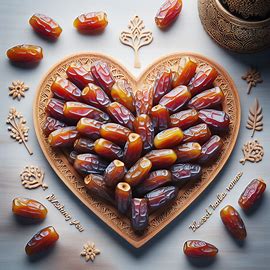
Ramadan 2026 in the United States and Europe: What It Means for Muslim Communities
Ramadan 2026 unfolded across North America and Europe during late winter and early spring, creating moderate fasting hours and a deeply reflective spiritual atmosphere. For millions of Muslims living in the West, Ramadan is not only a sacred month of fasting, but it is a lived experience shaped by work schedules, school calendars, interfaith interactions, and multicultural communities.
Because the Islamic calendar follows the lunar cycle, Ramadan shifts approximately 10–11 days earlier each year. In 2026, fasting hours in most major Western cities, including New York, London, Paris, and Berlin, generally ranged between 12 and 14 hours per day. Compared to the long summer fasts of previous years, this seasonal timing allowed for more balanced daily routines.
How Ramadan Is Observed in Western Countries
Muslim communities across the United States and Europe observe Ramadan with the same spiritual core as Muslims worldwide:
- Fasting from dawn to sunset
- Increased prayer and Qur’an recitation
- Charity and community support
- Self-discipline and spiritual reflection
Yet the Western context adds its own dimension.
In cities like New York City, London, Paris, and Berlin, Ramadan unfolds in offices, universities, hospitals, and public institutions. Many workplaces now recognise Ramadan and provide flexible arrangements. Schools increasingly accommodate fasting students. Mosques host open iftars, inviting neighbours of all faiths to share the sunset meal.
This growing awareness reflects how Ramadan has become part of the broader cultural landscape in the West.
Moon Sighting and Why Dates Sometimes Differ
One important aspect Western readers often ask about is why Ramadan does not always begin or end on the same day everywhere.
The Islamic month begins with the sighting of the new crescent moon. Some Muslim communities rely on local moon sightings. Others follow astronomical calculations or the decisions of national religious councils. This can occasionally result in a one-day difference within the same country.
Rather than division, this reflects the diversity of Islamic scholarship and tradition. It is a reminder that Islam, like the communities that practice it, is both unified and beautifully varied.
Interfaith Engagement and Community Building
Ramadan in the United States and Europe has increasingly become a bridge between communities. Interfaith iftars are now common. Non-Muslims often fast for a day in solidarity with friends or coworkers. Local governments issue Ramadan greetings. Public awareness grows each year.
For many Muslim families living far from ancestral homelands, Ramadan becomes a powerful anchor — preserving identity while embracing citizenship in their adopted countries.
Eid al-Fitr in the Western World
The conclusion of Ramadan brings Eid al-Fitr, a day of prayer, gratitude, and celebration. In Western cities, large Eid prayers are often held in convention centres, sports arenas, or public parks to accommodate growing congregations.
Families gather. Children receive gifts. Charity is distributed. Traditional foods are prepared — sometimes blending cultural heritage with local flavours.
For Muslim communities in America and Europe, Ramadan 2026 was not only a month of fasting. It was a living testament to faith practised with dignity, resilience, and openness in a diverse society.
1. Origin of Ramadan:
Ramadan is the ninth month of the Islamic calendar and is considered the most sacred month.
-
- The name “Ramadan” comes from the Arabic root “ar-ramad,” which means scorching heat.
- In 610 A.D., the angel Gabriel appeared to Prophet Muhammad صلی اللہ علیہ و آلہ وسلم and revealed the Quran, the Islamic holy book, during this month. This event is known as Laylat Al-Qadr or the “Night of Power.”
- Muslims fast during Ramadan to commemorate the revelation of the Quran.
2 . Spiritual Growth and Self-Discipline:
-
-
- During Ramadan, Muslims aim to grow spiritually and strengthen their relationship with Allah (God).
- Key practices include:
- Praying: Muslims engage in additional prayers and recite the Quran.
- Intentional Actions: They strive for selflessness, kindness, and intentional actions.
- Fasting: Muslims fast from dawn (Suhoor) until sunset (Iftar), refraining from food, drink, and sexual intercourse.
- Fasting is obligatory for all Muslims (except specific groups), and missed days can be made up later in the year.
-
3 . Breaking the Fast with Dates:
-
- Prophet Muhammadصلی اللہ علیہ و آلہ وسلم is believed to have broken his fast with dates and water.
- As a result, dates hold a special place in the Ramadan ritual.
- Dates are rich in nutrients, easy to digest, and provide essential sugars after a day of fasting.
- Muslims traditionally eat dates at both Suhoor (pre-dawn meal) and Iftar (evening meal).
4 . Community and Togetherness:
-
- Meals during Ramadan are opportunities for Muslims to gather with others in the community.
- Suhoor occurs before the first prayer of the day, and iftar begins after the sunset prayer.
- Sharing dates and other foods fosters a sense of togetherness and unity.
Remember, the act of fasting during Ramadan goes beyond abstaining from food—it’s a time for reflection, gratitude, and spiritual growth.
5. The Significance of Dates in Ramadan
Breaking the fast with dates in Ramadan has a rich historical and religious significance in Islam, deeply rooted in the traditions of the Prophet Muhammad صلی اللہ علیہ و آلہ وسلم. Here are some key points highlighting its importance:
- Prophetic Tradition: The Prophet Muhammadصلی اللہ علیہ و آلہ وسلم is reported to have broken his fast with dates, and this practice is emulated by Muslims worldwide as a Sunnah (a tradition based on the Prophet’s actions)1.
- Nutritional Value: Dates are a quick source of energy and nutrients, which are beneficial after a day of fasting. They help in quickly replenishing energy levels and are easy to digest1.
- Symbolic Gesture: Eating dates to break the fast is also a symbolic act that represents the simplicity and piety of the Prophet Muhammad’s lifestyle2.
- Religious Texts: Dates are mentioned more than 20 times in the Quran, emphasizing their significance in Islamic dietary habits1.
- Cultural Continuity: The tradition of breaking the fast with dates has been passed down through generations, maintaining a sense of continuity and community among Muslims during Ramadan1.
This tradition underscores the blend of spiritual devotion and practical wisdom in Islamic practices, providing both a connection to the Prophet’s Sunnah and a nutritious way to end the daily fast.
6 . The Famous Dates Varieties
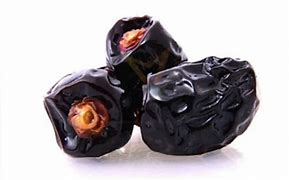
A . Ajwa (Arabic: عجوه) is a cultivar of the palm date widely grown in Medina, Saudi Arabia. It is oval-shaped and medium-sized with black skin. Ajwa dates have a fascinating history that intertwines with the cultural and religious heritage of the Middle East, particularly Saudi Arabia. Here’s a brief overview:
Ajwa plantations surround Medina and thousands of tons are exported from them annually.[1] However, it is not exclusive to Medina and is grown elsewhere on the Arabian peninsula and in the Sahara desert.[citation needed]
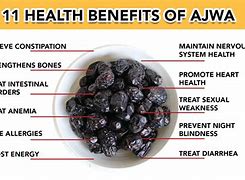
- Origins: The exact origin of Ajwa dates is not definitively known, but they are believed to have been around for over 50 million years. Historians suggest they may have originated in regions like Mesopotamia, Egypt, the Persian Gulf, or India1.
- Cultivation and Spread: Evidence of Ajwa dates cultivation dating back 7,000 to 8,000 years has been found in Egypt. The ancient Romans and Hebrews also valued these dates for various uses, including food, wine, vinegar, and crafting utensils1.
- Alexander the Great: It is said that Alexander the Great brought Ajwa date seeds to Pakistan and the Middle East during his conquests, leading to the widespread cultivation of Ajwa dates in these regions1.
- Global Journey: Over the centuries, Ajwa dates traveled across the world. Marco Polo reportedly took seeds to Italy, and Spanish conquerors brought them to the Americas in the 1700s. Today, they are also grown in African countries1.
- Saudi Arabia: The largest producer of Ajwa dates is Saudi Arabia, with many farms located within the sacred precincts of Haram and near the Quba mosque. These dates are especially popular among Hajj and Umrah pilgrims1.
- Religious Significance: Ajwa dates are highly revered in Islam due to their association with the Prophet Muhammad. They are often consumed during Ramadan and hold a special place in Islamic traditions2.
- Nutritional Value: Ajwa dates are not only cherished for their unique history but also for their nutritional content, including carbohydrates, fiber, vitamins, and minerals2.
This rich history and the health benefits associated with Ajwa dates make them a prized variety among date fruits globally.
B . Medjool Dates:
-
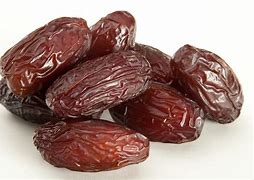
- Known as “The King of Dates” and “The Diamond of Fruits,” Medjool dates were once reserved for royalty and lavish celebrations.
- Originating from Morocco, these large, chewy dates have a deep amber-brown color and wrinkled skin.
- Their heavenly sweetness comes with hints of cinnamon, wild honey, and caramel.
- Nutritional Benefits:
- Low glycemic index, making them suitable for blood sugar control.
- Rich in antioxidants with potential anti-cancer and heart-health benefits1.
- Excellent energy source for pre-workout smoothies.
- Enjoy them whole as a quick snack or stuff them with nuts, peanut butter, or jellies. They also enhance milkshakes and desserts.
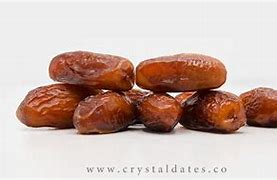
C . Deglet Noor Dates:
-
- These dates were first cultivated near the city of Touggourt in the Algerian Sahara.
- They have a lighter colour, a firm texture, and a slightly nutty flavour.
- Nutritional Benefits:
- Good energy source.
- Rich in dietary fibre for digestive health.
- Contains sodium and potassium for maintaining water balance and blood pressure.
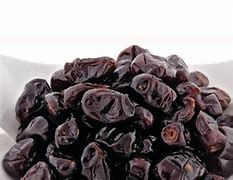
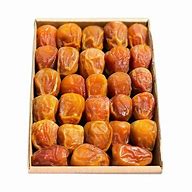
D Sukkary Dates:
-
- Light golden brown with a small cone-shaped body, chewy flesh, and firm, wrinkly skin.
- Less sugary compared to other varieties.
- Nutritional Benefits:
- Good energy source.
- Rich in dietary fibre for digestive health.
- Contains sodium and potassium for maintaining water balance and blood pressure2.
E. Ambera Dates:
-
- Renowned for their enormous size and therapeutic properties.
- Originating from the Saudi Arabian city of Medina.
- Meaty, soft, and among the biggest Medinah dates3.
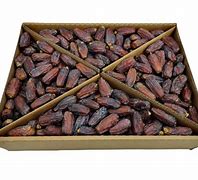
F Mabroom Dates:
-
- Unique Characteristics:
- Natural caramel flavour.
- Soft and juicy.
- Nutritional Benefits:
- Rich in fibre, potassium, and iron.
- Supports digestion and prevents anaemia.
- Improves male fertility and strengthens bones.
- !Mabroom Dates
- Unique Characteristics:
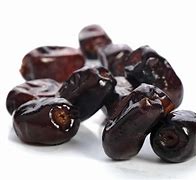
G Mazafati Dates:
-
- Unique Characteristics:
- Soft, moist, and chewy texture.
- Caramel-like taste.
- Nutritional Benefits:
- Rich in vitamins (A, B-complex, C, E, K) and minerals (phosphorus, calcium, iron).
- Used in Iranian dishes and desserts.
- Popular for their health benefits worldwide.
- !Mazafati Dates
- Unique Characteristics:
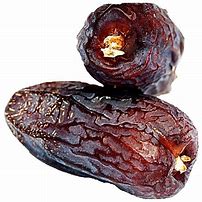
H Qalmi Dates:
-
- Unique Characteristics:
- Natural caramel flavour.
- Soft and sweet.
- Nutritional Benefits:
- High in fibre, aiding digestion.
- Improves brain function and memory.
- Induces natural labour in pregnant women.
- !Qalmi Dates
- Unique Characteristics:
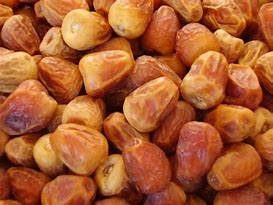
I Zahidi Dates:
-
- Unique Characteristics:
- Light golden colour.
- Semi-dry texture.
- Nutritional Benefits:
- Good energy source.
- Rich in dietary fibre.
- Contains essential minerals.
- Unique Characteristics:
J . Kimia Dates:
-
- Unique Characteristics:
- Medium-sized.
- Soft and sweet.
- Nutritional Benefits:
- Good energy source.
- Rich in vitamins and minerals.
- Versatile for snacking and cooking.
- !Kimia Dates
- Unique Characteristics:
K Omani Dates:
-
- Unique Characteristics:
- Grown in Oman.
- Vary in colour and texture.
- Nutritional Benefits:
- Good energy source.
- Rich in vitamins and minerals.
- Used in traditional Omani cuisine.
- Unique Characteristics:
Ramadan 2026 FAQs for the United States and Europe
1. How many hours do Muslims fast during Ramadan in the US and Europe?
Fasting hours during Ramadan vary depending on location and season. In 2026, most cities in the United States and Europe experienced fasting days ranging between 12 and 14 hours. Northern cities may have slightly longer days, while southern regions experience shorter fasting periods. Because Ramadan follows the lunar calendar, fasting hours shift each year.
2. Why do Ramadan start and end dates sometimes differ in Western countries?
Ramadan begins with the sighting of the new crescent moon. Some Muslim communities in the U.S. and Europe rely on local moon sightings, while others follow astronomical calculations or international announcements. This can result in a one-day difference between communities. These variations reflect diverse scholarly traditions within Islam.
3. Can you work or attend school while fasting during Ramadan?
Yes. Most Muslims in America and Europe continue working, attending school, and maintaining daily responsibilities while fasting. Many employers and educational institutions now recognise Ramadan and may offer flexible hours or accommodations. Fasting Muslims refrain from food and drink from dawn to sunset but continue their normal routines.
4. Are non-Muslims allowed to attend iftar events?
Absolutely. Many mosques and Islamic centres in Western countries host open iftars and interfaith gatherings during Ramadan. Non-Muslims are often invited to observe, ask questions, and share the evening meal at sunset. These events promote understanding and cultural exchange.
5. What is Eid al-Fitr, and how is it celebrated in the US and Europe?
Eid al-Fitr marks the end of Ramadan and is one of the most important Islamic celebrations. In the United States and Europe, Muslims gather for special morning prayers, family meals, and charitable giving. Large congregational prayers are often held in community centres, parks, or convention halls to accommodate growing Muslim populations.
6. Do fasting rules change for Muslims living in non-Muslim countries?
No. The core rules of fasting remain the same worldwide: Muslims abstain from food, drink, and marital relations from dawn to sunset. However, Islamic scholars provide guidance for unique circumstances, such as extremely long daylight hours in northern regions of Europe. In such cases, communities follow established religious rulings to ensure fasting remains manageable and spiritually meaningful.
Remember, dates are not only delicious but also packed with nutrients. They’re a natural source of sugar, making them a healthier alternative to refined sugars. Incorporate these delightful fruits into your meals and enjoy their sweet benefits!
Think 100 times before you take a decision, but once that decision is taken, stand by it as one man.


Very interesting and informative
Thanks for information