
From World War II to Iran 2026: Why Diplomacy Follows Destruction
From World War II to Iran 2026: Why Diplomacy Follows Destruction. Why do we always negotiate after things are broken? It’s a simple question, but nobody asks it enough. Every war in modern history ends at the negotiating table. Yet, rarely does negotiation start there.
The Middle East has been simmering for decades. Rising tensions involving Iran, Israel, and the United States have tested international law, threatened civilians, and challenged global stability. If history teaches anything, it’s that wars are predictable, but so are their consequences.
https://mrpo.pk/does-history-repeat-itself/
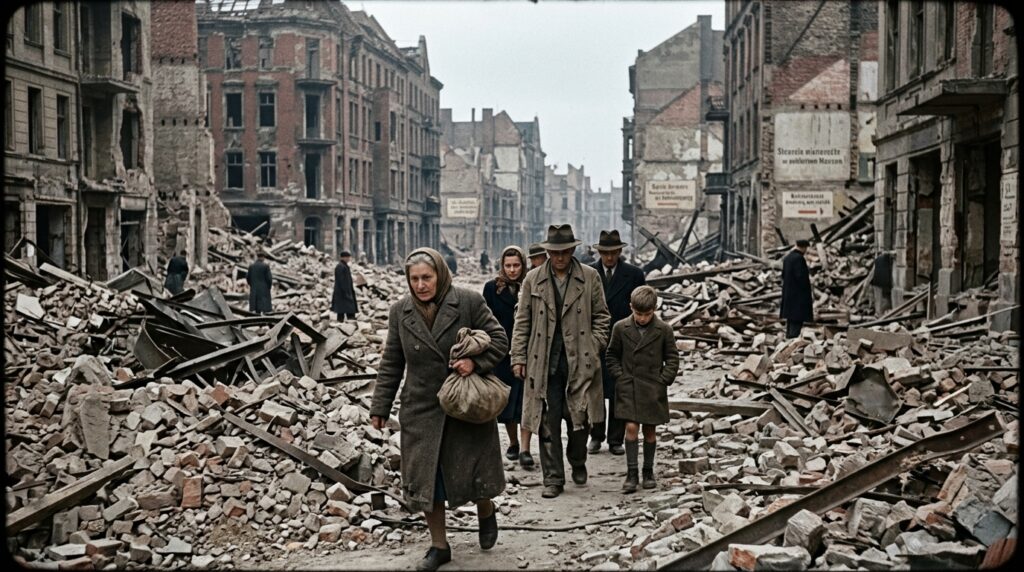
This article walks through the real cost of war, the legal frameworks designed to prevent it, and the hard question that keeps repeating: why do negotiations always follow destruction?
Iran may yet endure this war, but the Islamic Republic as we have known it cannot survive unchanged
It followed rounds of regionally supported diplomacy aimed at a preliminary nuclear deal. But instead of allowing those efforts to mature, Trump, perhaps swayed by Israeli Prime Minister Benjamin Netanyahu and conservative hawks in his administration, chose to strike now, at what is widely seen as a moment of Iranian weakness. He immediately suggested that the Iranian people should now determine their own future, making it clear that Washington supports internal regime change, and reiterating that as he announced Khamenei’s death on Saturday night. “This is the single greatest chance for the Iranian people to take back their country,” he posted on Truth Social.
https://www.theguardian.com/commentisfree/2026/mar/01/iran-war-islamic-republic-donald-trump-regime
The Real Cost of War
War is easy to talk about, hard to live through. Its damage isn’t just bullets and bombs. It’s people. It’s cities. It’s generations scarred.
Human Cost
Look at World War II. Over 70 million dead. Civilians became the primary targets. Cities like Hiroshima and Nagasaki were erased in a single day. The human toll echoes across generations, mental health crises, lost education, disrupted families, and refugees with nowhere to go.
Today’s conflicts still hit civilians the hardest. Death, trauma, and displacement spread long after the fighting stops.
Infrastructure and Economy
War destroys more than lives. Hospitals, schools, bridges, power grids, and digital networks vanish. Economies collapse. Rebuilding costs billions, often paid by taxpayers far from the battlefield. Instability spreads globally, energy prices spike, supply chains fail, and markets wobble. A war anywhere is never local.
Political and Social Fallout
Civilian trauma fuels cycles of revenge. Stalemates breed radicals. Failed states rise. Peace, when it comes, is fragile and costly.
Building Rules After Catastrophe
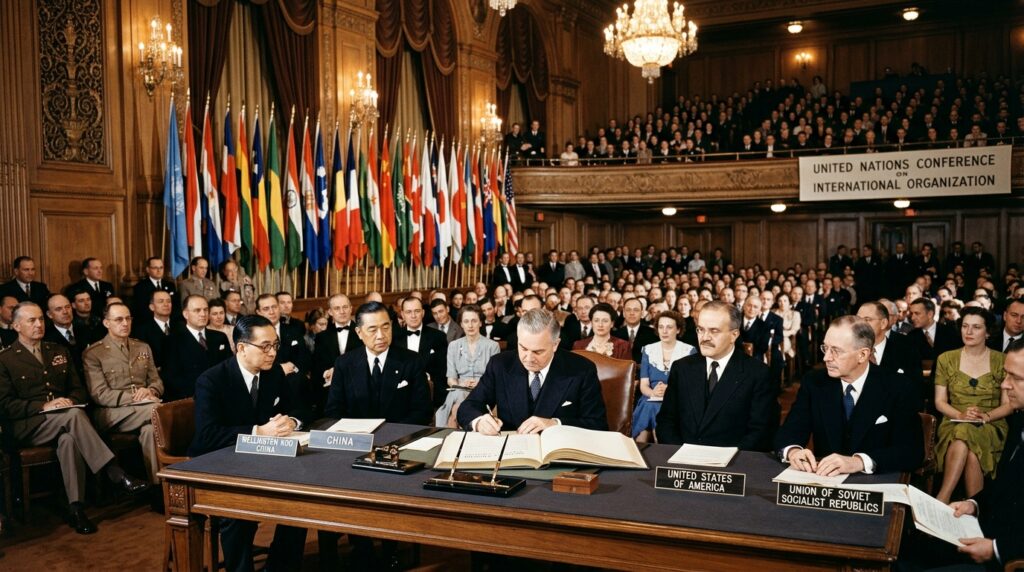
After World War II, the world tried to prevent another apocalypse. The United Nations was born. The UN Charter, especially Article 2(4), banned force except for self-defence or Security Council authorisation.
Geneva Conventions and international humanitarian law followed. Civilians had to be protected. Proportionality became law. Deliberate destruction of non-combatants became a crime.
Yet, history shows the system is fragile. Vetoes, selective enforcement, and power politics often dilute the law into suggestion.
Cold War Lessons
The Cold War didn’t eliminate conflict. Proxy wars raged from Korea to Afghanistan. But diplomacy persisted. SALT agreements, arms treaties, and shuttle diplomacy kept confrontation in check. It proved that negotiation can prevent catastrophe if leaders value structure over bravado.
Post–Cold War and the Middle East
The 21st century introduced new complexities. Cyber warfare, hybrid tactics, nuclear proliferation, and regional insurgencies dominate. The Middle East became a theatre of persistent tension. Iran’s nuclear ambitions, sanctions, and regional influence constantly test the international system.
Military action is easy to describe in headlines. Its consequences are long, deep, and irreversible.
Legal Framework Today
Article 51 allows self-defence, but it must be necessary and proportionate. Preemptive strikes remain debated. Force without justification risks violating international law.
Security Council authorisation offers a path, but politics interfere. Credibility requires consistency, and consistency is rare.
World War II to Iran 2026:Why Negotiations Come Last
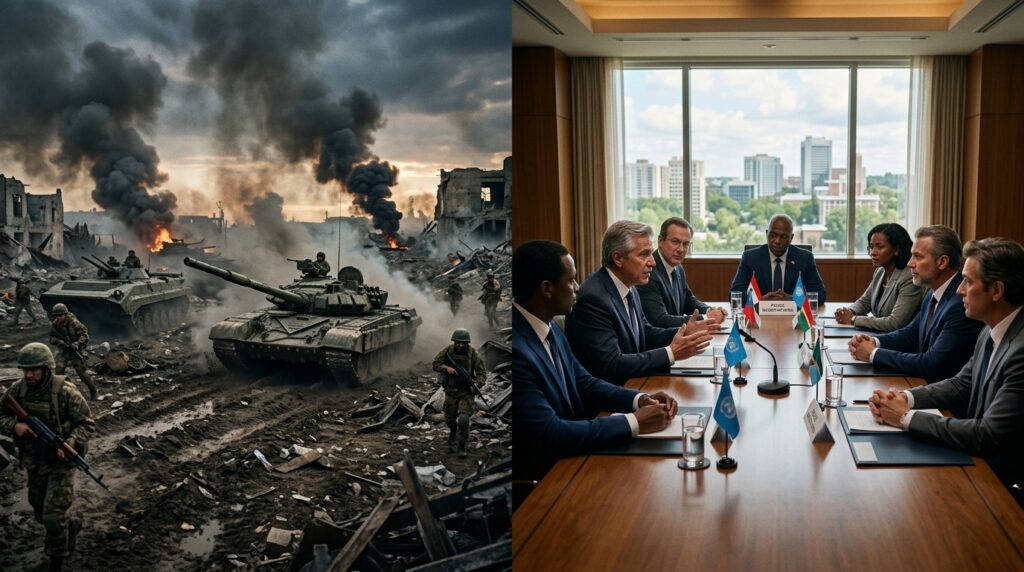
History is stubborn:
- Escalation
- Destruction
- Civilian suffering
- Economic collapse
- Negotiation
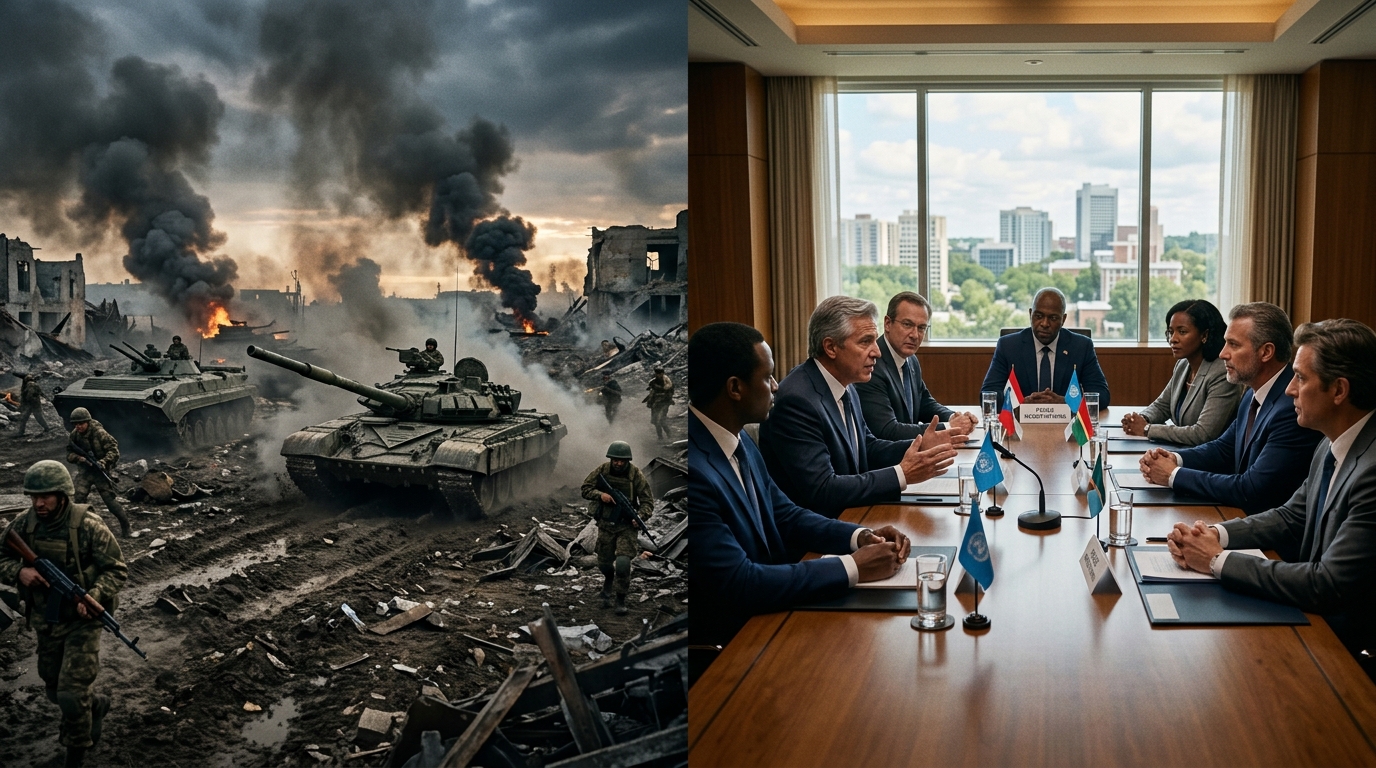
Leaders often wait for exhaustion, public pressure, or stalemate before talking. Force can be a bargaining tool. Pride and domestic politics delay dialogue. Yet every major war eventually ends at the table, proving negotiation is inevitable—but always too late.
Lessons for Western Democracies
For U.S. and European audiences, this isn’t abstract. Civilian deaths, economic disruption, and institutional credibility are strategic concerns. Selective enforcement of the law erodes trust. Military victory rarely fixes underlying political problems. Diplomacy preserves legitimacy and long-term security.
Preventive diplomacy is not a weakness. It is foresight.
Preventive Diplomacy Works
Stopping war before it starts saves lives, money, and credibility. Negotiation reduces refugee crises, stabilises energy markets, preserves alliances, and prevents cycles of radicalisation. Nuclear-adjacent conflicts make early talks urgent. History shows every war eventually ends at a table. Smart leaders ask why that table can’t appear first.
Conclusion
The system built after World War II was fragile but revolutionary. It reduced major power wars, codified norms, and protected civilians. Each modern escalation tests it. Military capability is easy to measure. Strategic patience is harder.
If negotiation is inevitable at the end of conflict, why not at the beginning?
Peace isn’t a luxury. It’s discipline. War proves strength. Preventing war proves wisdom.
FAQs
- What does international law say about the use of force?
The UN Charter prohibits force against another state’s sovereignty, except in self-defence or with Security Council approval. - What qualifies as lawful self-defence?
It must respond to an armed attack, be necessary, and proportional. Preemptive strikes are legally debated. - Why do wars often end in negotiation?
Costs, stalemates, domestic pressure, and international mediation push adversaries toward dialogue. - How did WWII shape modern peace?
WWII’s devastation led to the UN, the Geneva Conventions, and legal norms protecting civilians. - Why are civilian casualties central to modern debates?
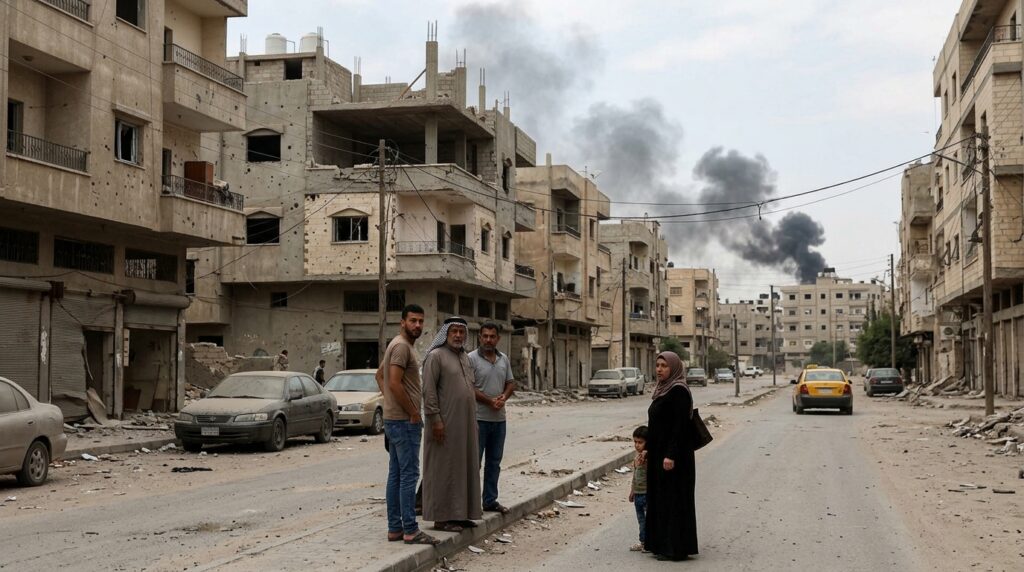
International law requires a distinction between civilians and combatants and proportionality in the use of force. - Why is preventive diplomacy so difficult in the Middle East?
Political pressures, alliance commitments, distrust, sanctions, and strategic signalling all complicate early dialogue.
References
- UN Charter, Articles 2(4) and 51
- UN Security Council mandate
- Geneva Conventions (1949)
- World War II historical records
- NPT (1968)
- JCPOA (2015)
- Council on Foreign Relations, use of force backgrounders
- International Court of Justice advisory opinions on self-defence
EP Statement
This article examines the cost of modern warfare through history, law, and strategy. It does not advocate for any actor but evaluates escalation against the post-1945 legal framework. Rising tensions in the Middle East test the credibility of international institutions. The central question is whether military action strengthens long-term security or erodes the rules-based system democracies helped create. This analysis encourages principled, evidence-based discussion on the balance between deterrence and diplomacy.