
The US Quiet Crisis: How a Real Shooting, a Government Shutdown, and an Oil Blockade Could Lock Down Your Wallet
By Maj Hamid Mahmood (Retired), MA Political Science, LLB, PGD (HRM): April 5, 2026
Imagine waking up in the morning. Your bank app shows $0. The gas station sign says $6.50 a gallon. And the President hasn’t spoken in three days.
That’s not a movie trailer. That’s a real scenario that experts have warned about for years.
And right now, two fuse lines, one in Washington, one in the Middle East, are burning at the same time.
1. The Double Lockdown: Two Crises at Once
America isn’t under martial law. You can still buy milk and walk your dog. But two invisible locks are clicking shut:
- Lock 1, The Money Lock (Government shutdown): Congress can’t pass a budget. About 800,000 federal workers are told, “Show up, but no paycheck.”
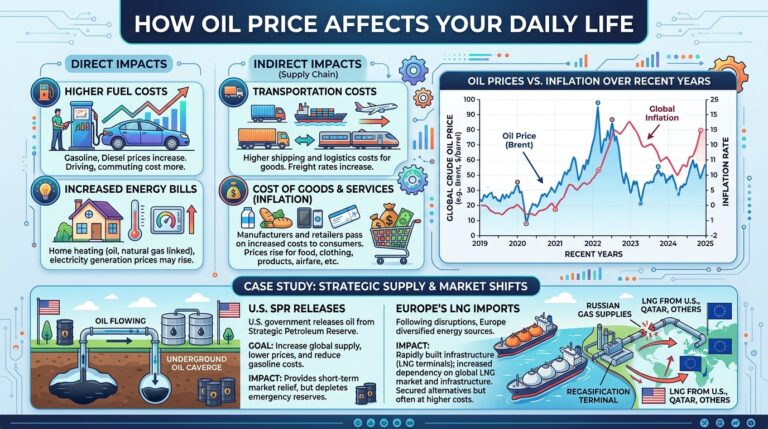
- Lock 2, The Oil Lock (Strait of Hormuz): A conflict between the U.S., Israel, and Iran has blocked 20% of the world’s oil tankers. Result? Gas prices skyrocket.
Shocking Truth: “The last time the Strait was blocked, gas hit $5 a gallon in 2008. Today, with inflation already high, $7 is possible.”
The US Quiet Crisis: Bill to fund US homeland security fails again as concern grows about airport lines
Proposal fails to advance in Senate amid growing concerns about long lines to get through screening at some airports
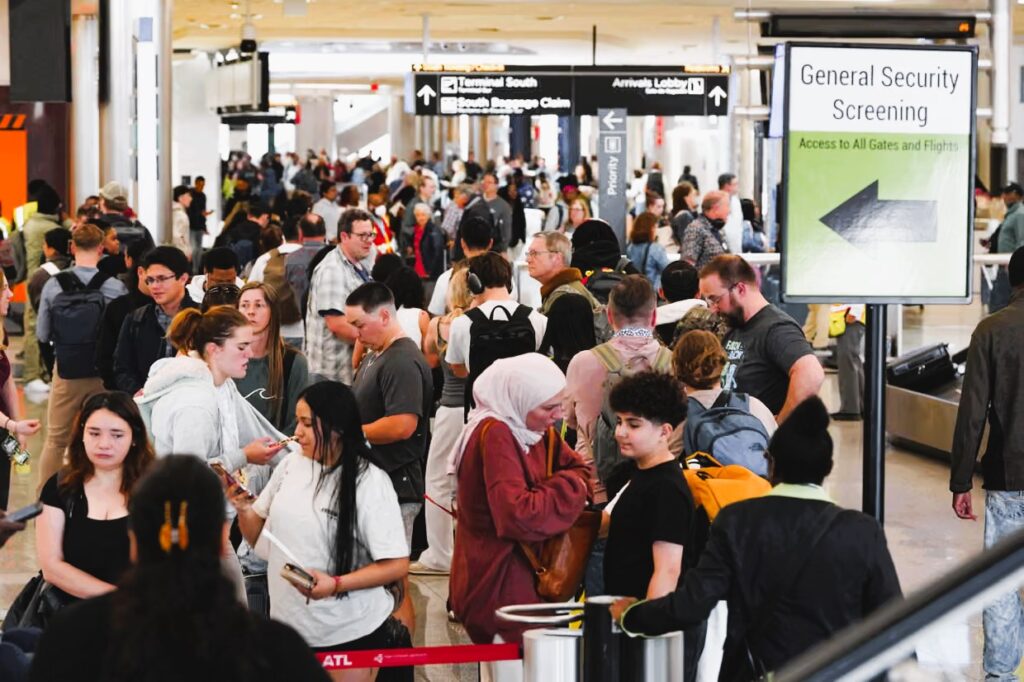
A bill to fund the Department of Homeland Security failed to advance on Friday in the Senate amid growing concerns about long lines to get through screening at some of the country’s biggest airports.
Democrats declined to provide the support needed to move the funding measure toward final passage. Senate Democratic leader Chuck Schumer, said he would offer an alternative measure on Saturday to fund just the Transportation Security Administration, which screens passengers and luggage for hazardous items. That too is likely to fail as lawmakers hold a rare weekend session.
2. Who Was Alex Pretti? (The Real Story)
Alex Pretti is a real person. Here are the verified facts, no rumours, no spin.
Verified Facts About Alex Pretti
- Name: Alex Pretti, 37 years old.
- Occupation: Intensive care nurse at the Minneapolis VA Medical Centre, caring for military veterans.
- Date of death: January 24, 2026.
- What happened: U.S. Border Patrol agents shot him during an immigration enforcement operation. Video shows he was filming them with his phone when he was pepper‑sprayed, tackled, and shot multiple times.
- Another victim: Pretti was the second person shot by federal agents in Minneapolis in less than three weeks. Renee Good, a 37‑year‑old mother of three, was killed on January 7, 2026.
- No criminal record: Pretti had only a few traffic tickets, no history of violence.
- Investigation: On January 31, 2026, the U.S. Justice Department launched a civil rights investigation into Pretti’s death.
What the rumours get wrong: There is no legislation called the “Pretti Reforms” filed in Congress. However, his death, along with Renee Good’s, has become a central demand for Democrats, who want to restrict federal agents’ use of force and require body cameras.

Alex Pretti was killed in Minneapolis on Saturday
3. The Government Shutdown: Real Mechanics, Real Pain
A partial government shutdown began on February 14, 2026. It was triggered by a budget standoff over immigration enforcement, not solely by Pretti’s death, but the two events are deeply connected.
Who Works Without Pay?
- TSA officers: 51,000 people. After 50 days without pay, 12% have quit. Result: 4‑hour security lines at major airports.
- Border Patrol and ICE agents: Still working, but unpaid, morale is collapsing.
- Cybersecurity staff at DHS: 40% are furloughed. That means hackers have a wider door.
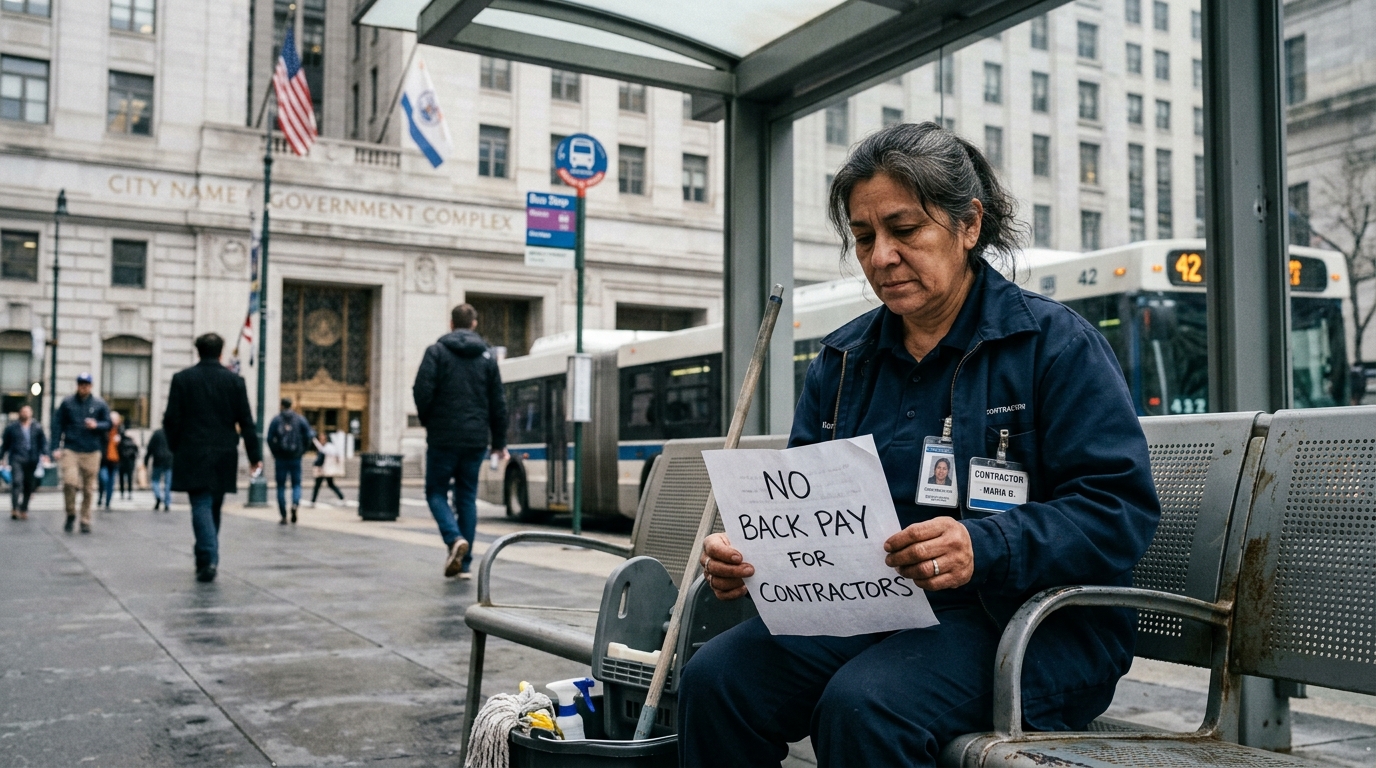
- Contractors (the ghost workforce): Janitors, IT support, cafeteria workers, unlike federal employees, they never get back pay. An estimated 2.3 million people.
💔 “Maria, a single mom who cleans the IRS building in Kansas City, told us: ‘I mopped those floors for 12 years. Now I can’t buy my son’s asthma medicine.’ She hasn’t been paid since February 14.”
4. The Oil Lock: Strait of Hormuz Crisis (Scenario Analysis)
While the shutdown is real, the oil blockade is currently a high‑risk scenario. Here’s why experts are worried.
- 20% of global oil passes through the Strait of Hormuz, a narrow channel between Iran and Oman.
- Recent U.S.‑Iran tensions have led to the seizure of three oil tankers since March 2026.
- If the Strait is blocked, gas prices in the U.S. could hit $6–$7 per gallon within two weeks.
How Europe and Canada Get Hit
- Europe: LNG tankers from Qatar to Europe would be delayed. Germany, France, and Italy face 30% higher heating bills.
- Canada: Canada sends 4 million barrels of oil per day to the U.S. But a U.S. shutdown freezes border inspections, Canadian oil gets stuck, forcing Alberta producers to shut in wells.
- Global supply chains: 30% of container ships pass near Hormuz. Shipping insurance has tripled. Your next iPhone, Nike shoes, or IKEA sofa could cost 25% more by June.
5. Human Cost: Working for Free and the “Blue Flu”
When essential workers aren’t paid, two things happen:
- The Gas Trap: They need gas to get to work, but gas costs more than ever, and they have no money to buy it.
- The Blue Flu: Police, firefighters, and TSA agents call in sick because they can’t afford the commute. That’s why you see cancelled flights and slower emergency response.
6. How Communities Are Fighting Back
Even when the system breaks, people step up.
- Interest‑free loans from Coast Guard Mutual Assistance and other non‑profits.
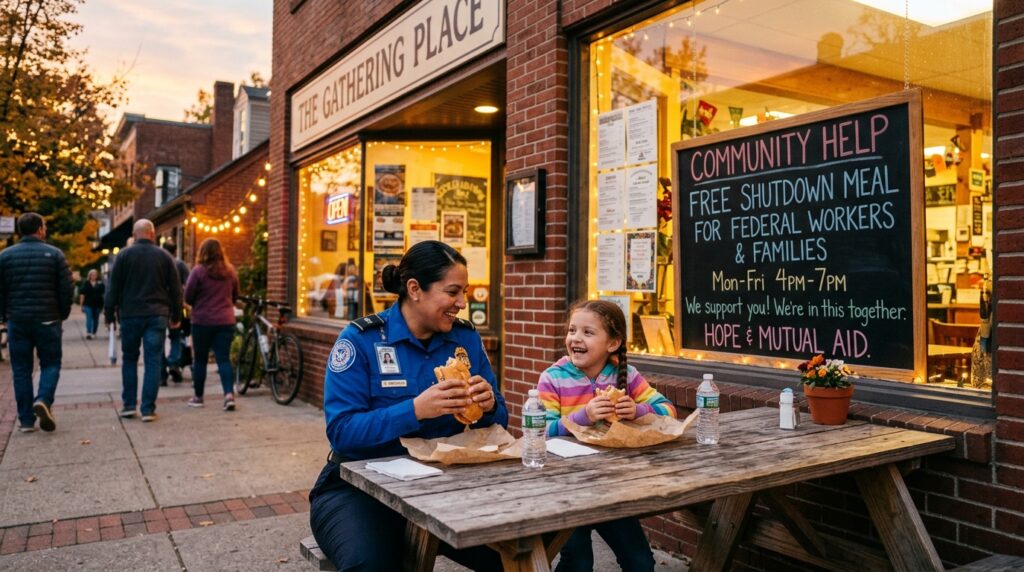
- Free “Shutdown Meals” at local restaurants in Washington D.C., Atlanta, and Chicago.
- Banks are allowing skipped car payments until the budget is signed.
7. What You Can Do Right Now
The US Quiet Crisis: For US readers
- Check if you’re owed back pay, visit USA.gov and search “shutdown back pay.”
- Apply for emergency loans through Coast Guard Mutual Assistance (open to all federal employees).
- Call your representatives, demand a clean budget vote.
The US Quiet Crisis: How Communities Are Fighting Back
For European and Canadian readers
- Lock in a fixed energy price if your provider allows it.
- Keep two weeks of non‑perishable food and water, not panic, just preparation.
For everyone
- Change your banking passwords now. DHS cybersecurity staff are furloughed, and digital risks are real.
- Have a neighbourhood emergency plan in case of “Blue Flu” (police/firefighter shortages).
8. Frequently Asked Questions (Short, Honest Answers)
Q1.What is a Press Lid? Is the President sick?
No. A “press lid” simply means no public events, often a sign of intense negotiations. It is a signal to reporters that the White House will not be making any more public appearances or news updates for the rest of the day.
No. Officials confirm he is working in the Oval Office to solve the Middle East crisis and the budget standoff.
Q2. Will workers ever get paid?
Yes, Congress always votes back pay after a shutdown ends. But that doesn’t help today’s rent.
Q3. Why don’t they just agree?
Because Democrats want new rules on federal agents (body cameras, independent prosecution). Republicans call that “handcuffing police.” Neither side will blink.
Q4. Is there a mandatory stay-at-home order?
Q5.When will the workers get paid?
Q6.Why are gas prices so high?
Q7.Who was Alex Pretti?
References and Credibility
9. Sources
- BBC News – “Who was Alex Pretti, the intensive care nurse shot dead in Minneapolis?” (January 2026)
- Snopes – Fact‑check of viral images and false claims about Pretti
- Associated Press – Family statements and biographical details
- Reuters – Verified video footage analysis
- U.S. Department of Justice – Civil rights investigation announcement (Jan 31, 2026)
- Congressional Research Service – “Shutdown Back Pay for Federal Employees” (RL34680)
- International Energy Agency – “Hormuz Chokepoint Factsheet”
- Coast Guard Mutual Assistance – Emergency relief guidance
Final thought: Alex Pretti’s death is not a hypothetical. The shutdown mechanics are real. The oil blockade is a real threat. Whether these crises explode or fade depends on leaders in Washington and capitals around the world. But one thing is certain: the people hurt most are everyday families trying to get to work, feed their kids, and stay safe.
If you found this helpful, share it with someone who needs the facts. And check back, we’ll update as events unfold.