
The Great Power Game: How the United States, China, NATO and Russia Are Reshaping the World Order(2026)
The great power game. The world looks chaotic, but chaos often hides a pattern.“The world doesn’t run on headlines; it runs on strategies.”
Turn on the news, and you’ll see fragments: tensions in the Middle East, pressure in Latin America, arguments inside alliances, whispers of energy shocks, debates at home. Each headline feels isolated.
But step back.
A pattern begins to emerge, not of collapse, but of a system under strain at its peak.
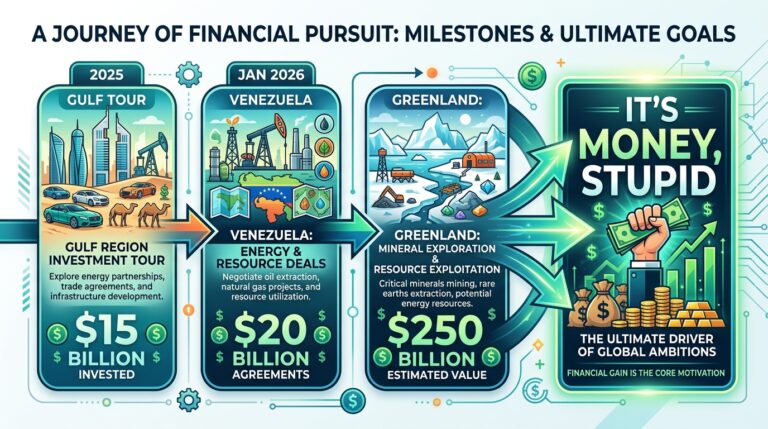
https://mrpo.pk/trumplization-its-money-stupid/
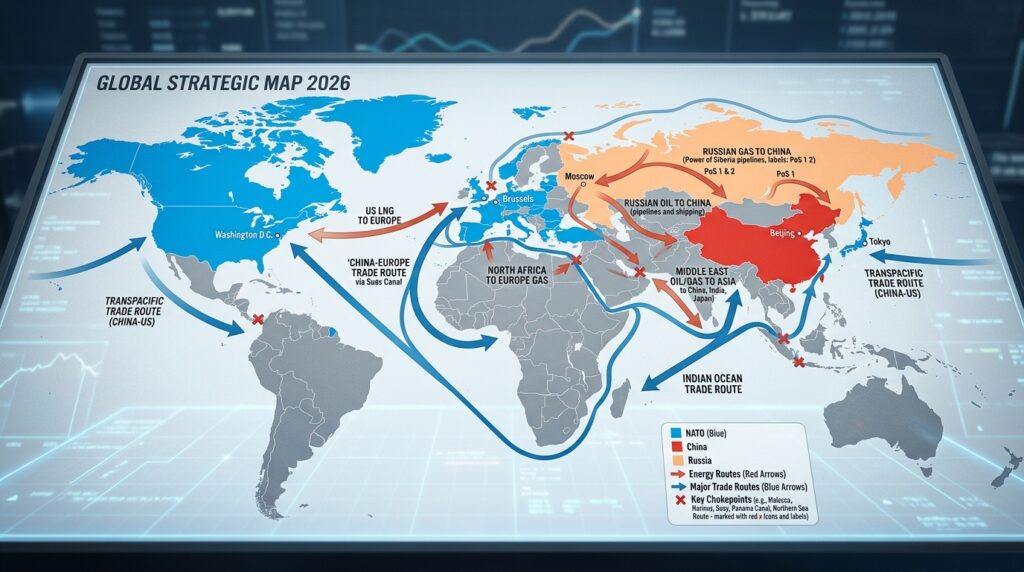
The Russian invasion of Ukraine has significantly impacted its influence in the Central Asian Republics (CARs), altering the geopolitical landscape and shifting perceptions among the region’s five key states: Kazakhstan, Kyrgyzstan, Tajikistan, Turkmenistan, and Uzbekistan. Historically, Russia has been the dominant external player in the region, but the ongoing conflict has led to a reassessment of this relationship. In contrast, this situation has created opportunities for other powers, particularly China.
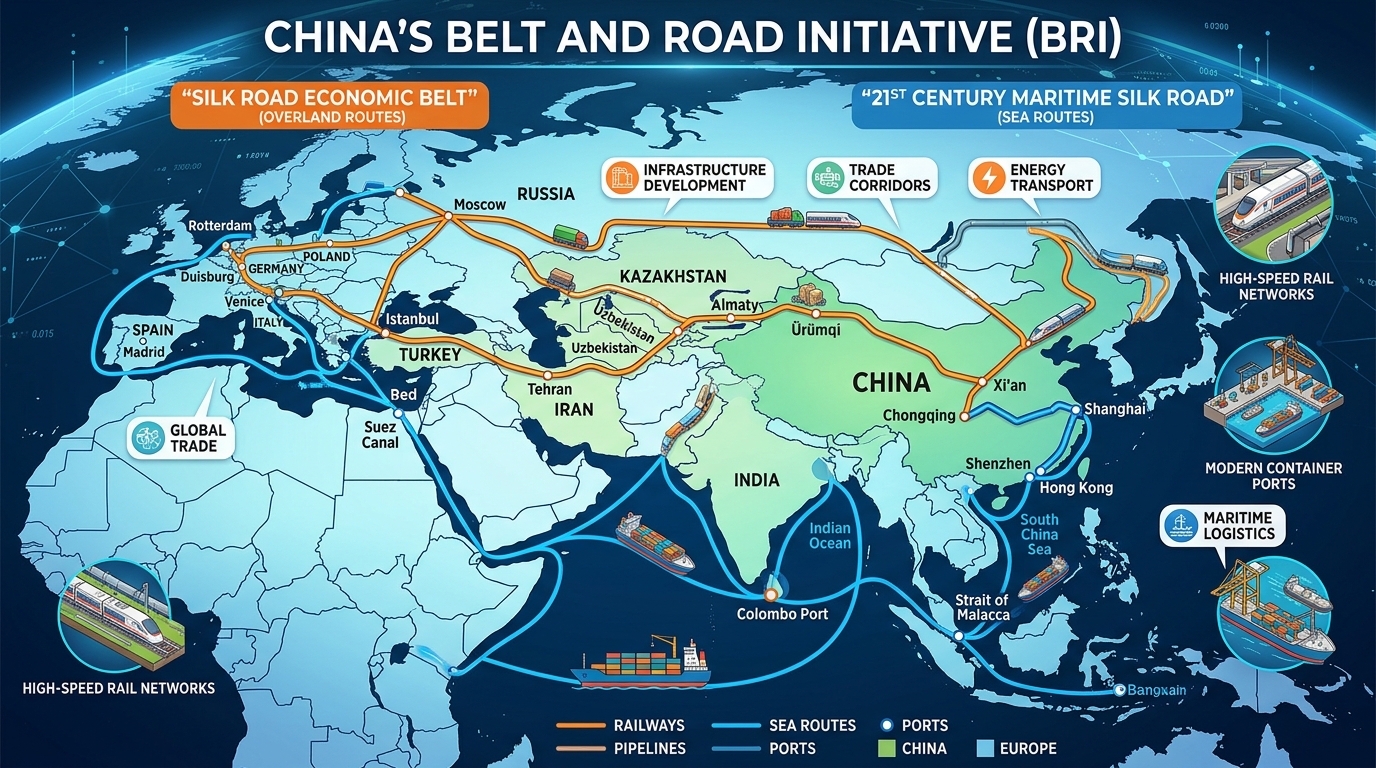
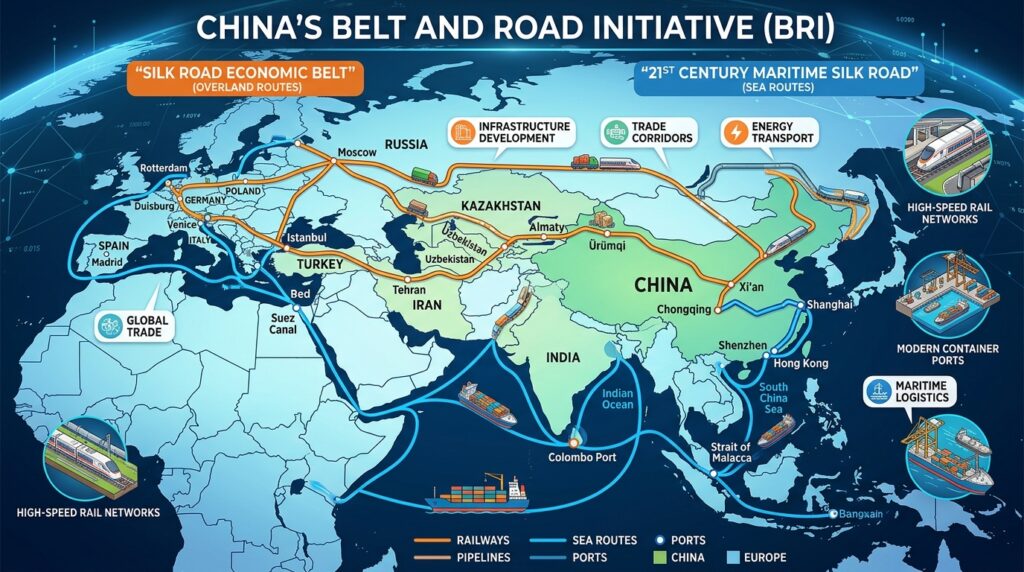
Through its Belt and Road Initiative (BRI), China has exemplified soft power by positioning itself as a generous donor and investor. This not only enhances regional connectivity but also strengthens China’s influence by promoting infrastructure development and economic integration in the CARs. The growing alignment between Russia and China in the territory is perceived as a threat, contributing to a complex security environment in Central Asia. This situation raises concerns over sovereignty, potential instability in Afghanistan, and increased military dependence.
From Dominance to Contestation
After the Cold War, the United States stood unmatched, militarily, financially, institutionally. That era is not over—but it is no longer uncontested.
Today’s global structure looks different:
- United States → dominant, but stretched
- China → rising, patient, strategic
- Russia → disruptive, opportunistic
This is not the fall of one power.
It is the arrival of competition at scale.
🇺🇸 The United States: Power at Full Stretch
The United States remains the most capable global actor, but in 2026, it operates at maximum strategic intensity.
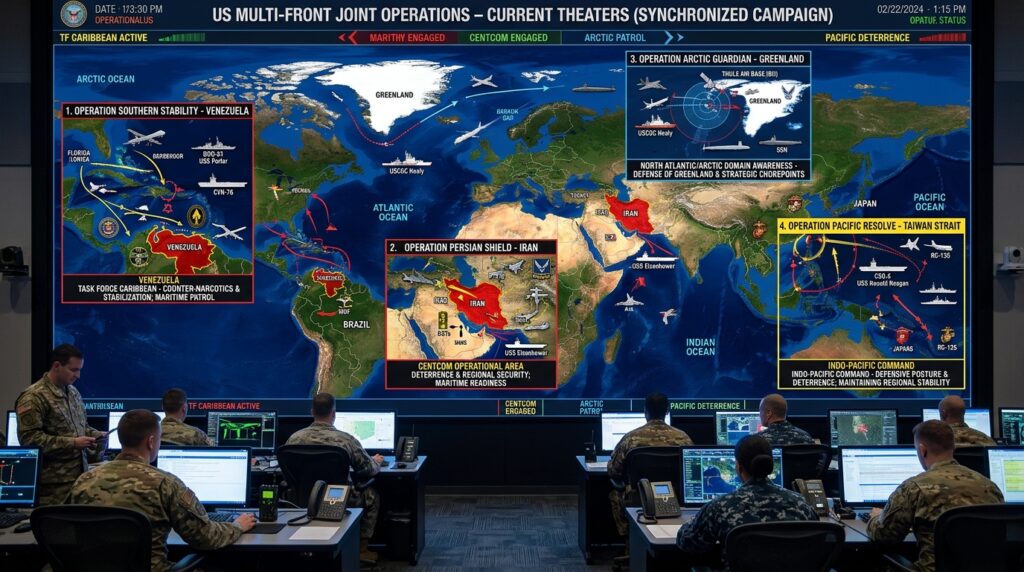
Multi-Front Reality
Across regions, pressure is visible:
- Renewed assertiveness in Latin America (Venezuela, Cuba)
- Escalating tensions in the Middle East (Iran war)
- Strategic interest in Arctic routes (Greenland)
- Persistent signalling around Taiwan
This is deliberate:
Act early. Act broadly. Prevent rivals from consolidating power.
Tools of Influence
- Sanctions and economic pressure
- Military presence and rapid deployment
- Technological restrictions
- Alliance networks
Objective: preserve dominance while slowing challengers.
Strain Beneath the Surface
- Alliance Tension
European partners debate engagement and priorities, some hesitant on US-led initiatives.
“Partnership does not mean uniformity.” Diplomat, Brussels
- Domestic Friction
Polarisation, war fatigue, and political scrutiny grow.
“We’ve been everywhere. The question now is, why, and for how long?” , Veteran, Pennsylvania
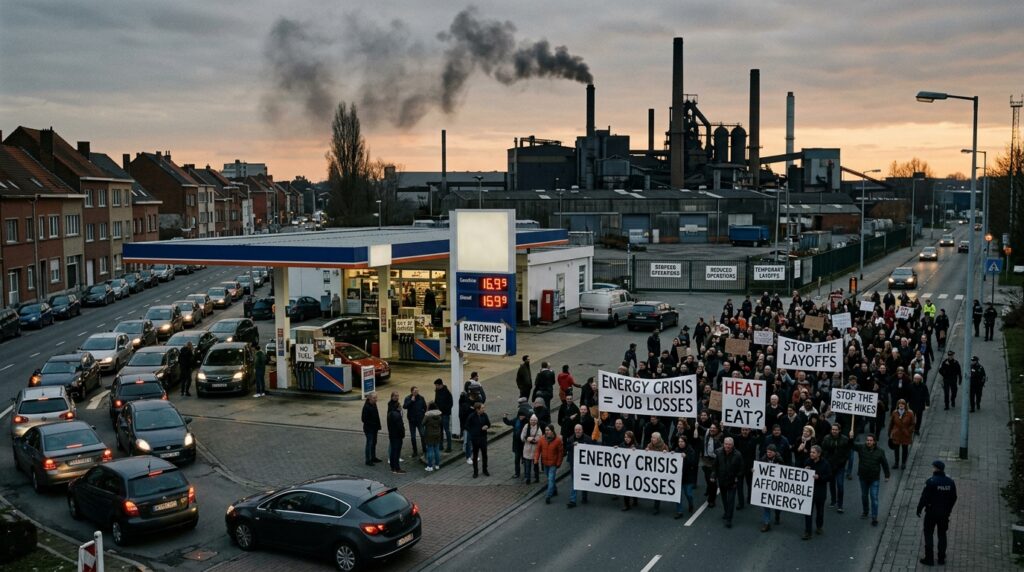
- Energy Shock
Global energy disruptions hit homes and industries:
- Fuel price volatility
- Supply chain instability
- Inflation spikes
“It’s not just cost, it’s uncertainty that hurts.” Manufacturer, Italy
The Turning Point
History does not announce decline.
It reveals it slowly:
- In strained alliances
- In rising uncertainty
- In ordinary people feeling instability in everyday life
At the peak, power appears unshakable.
But beneath the surface, something changes.
The Zenith Principle , When Strength Becomes Strain
Historians like Paul Kennedy and Arnold J. Toynbee observed a recurring pattern:
Great powers rarely fall at their weakest
They falter when they are strongest,but stretchedWhat Happens at the Peak?
- Commitments expand
- Conflicts multiply
- Costs rise
- Errors become costly
And most importantly:
The margin for error disappears
Important Clarification
This does not mean immediate decline.
It means something more subtle:
The system becomes sensitive,small mistakes carry large consequences
Power, Morality, and the Limits of Strength
Beneath strategy lies a deeper question:
Can power endure without moral, ethical, and legal grounding?
History suggests it cannot.
Moral Authority
Every major power defines itself through values:
- Roman Empire → order
- British Empire → progress
- United States → freedom and rules
When actions contradict these values, something shifts.
A student in Berlin may ask:
“If rules are flexible for the powerful, are they truly rules?”
Ethical Balance
Power constantly faces dilemmas:
- Security vs sovereignty
- Stability vs intervention
At the peak, the temptation grows:
Ends justify means
But history warns:
Short-term gains can create long-term distrust
Legal Order
The modern system, shaped after World War II, depends on rules:
- Sovereignty
- Non-aggression
- International law
When these are bent:
- Smaller nations feel exposed
- Alliances weaken
- Predictability declines
Strategic Consequence
Ignoring principles creates:
- Resistance
- Distrust
- Loss of legitimacy
And in today’s world:
Perception is power
Myth vs Reality
Myth
A single master plan controls everything
Reality
Multiple actors, competing strategies, uncertain outcomes
Myth
Decline happens suddenly
Reality
Pressure builds quietly, until one decision accelerates change
What Comes Next?
Several paths lie ahead:
- Managed Rivalry
Competition without direct war
- Strategic Overreach
Too many fronts weaken effectiveness
- Flashpoint Crisis
A sudden escalation, likely around Taiwan
- Fragmented World
Regional blocs replace global cohesion
The United States is not collapsing, but it is operating at a level where every decision now carries consequences far greater than before.
🇨🇳 China: The Silent Accumulator
While attention focuses elsewhere, China continues to build power in a quieter way.
Strategy Without Drama
China’s approach is deliberate:
- Expand economically
- Avoid direct military confrontation
- Build long-term influence
Its flagship vision, the Belt and Road Initiative, reflects this mindset.
Ports, railways, trade corridors, these are slow-moving instruments of power.
But they last.
Securing the Foundations
China understands its vulnerabilities—especially energy dependence.
So it adapts:
- Diversifies suppliers
- Builds reserves
- Invests heavily in alternatives
A planner in Shanghai might frame it simply:
“Security is not about control—it is about continuity.”
Taiwan Pressure Without Explosion
Taiwan remains the most sensitive flashpoint.
But China’s strategy is measured:
- Gradual pressure
- Controlled signaling
- Avoiding premature conflict
Because timing, not force, decides outcomes.
The Advantage of Patience
While others accelerate, China absorbs.
Let others exhaust themselves, then move decisively.
🇷🇺 Russia: Disruption as Strategy
Russia operates differently.
It is not building a new system; it is challenging the existing one.
The Approach
- Military assertiveness
- Energy repositioning
- Tactical partnerships
Its objective:
Ensure that no single power dominates uncontested
The Limitation
Russia’s constraints are real:
- Economic pressure
- Structural limitations
- Dependence on selective partnerships
It can disrupt, but not lead globally
Where Strategies Collide
The real contest is not in isolated conflicts, but in overlapping arenas:
- Middle East → energy and influence
- Taiwan → technology and security
- Global South → the (decisive arena)
- Arctic → future routes and control
These are not separate stories.
They are connected pressure points of one evolving system
The Real Battlegrounds
Power today is not defined by headlines—but by fundamentals:
Energy
Control, supply, and stability
Technology
Chips, AI, digital infrastructure
Trade
Supply chains and global access
Everything else reflects these deeper currents.
NATO: The Sleeping Giant
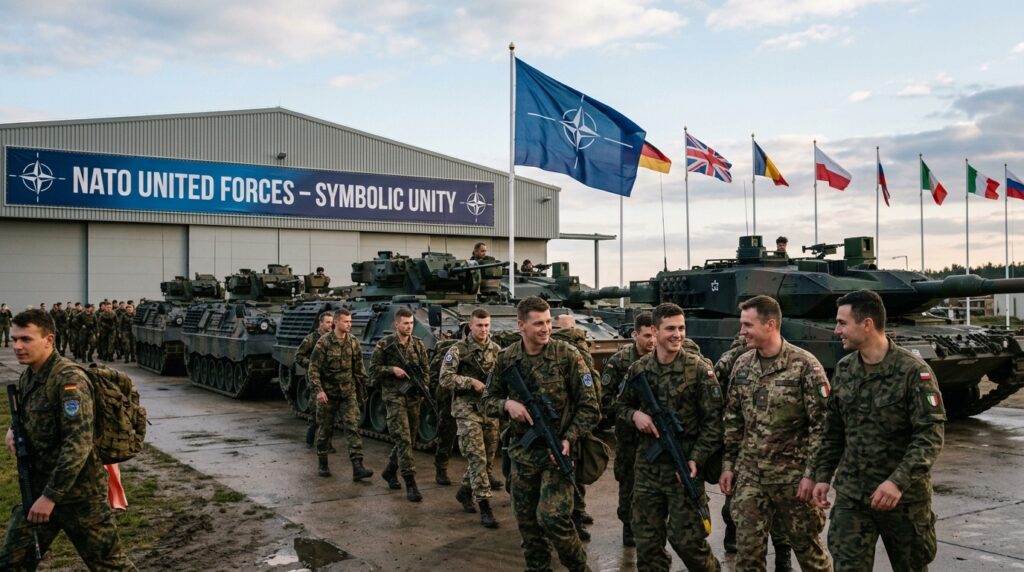
When discussing global strategy, one cannot ignore the North Atlantic Treaty Organisation, NATO. Once united, it represents collective military, political, and economic power that can rival any single superpower.
Yet in 2026, NATO finds itself at a crossroads.
From Unity to Divergence
NATO’s strength has always depended on shared purpose. Its historical victories—deterring the Soviet Union, maintaining stability in Europe—were grounded in cohesion.
Today, cracks are visible:
- Differences in threat perception between Eastern and Western members
- Debates over contributions, spending, and military readiness
- Divergent views on the Middle East and global engagements
A diplomat in Brussels notes:
“We may all sign the same documents, but the interpretation of obligations differs widely.”
NATO’s Strategic Potential
Despite the tension, the alliance retains immense power:
- The combined GDP of members exceeds $50 trillion
- Collective military expenditure rivals that of the rest of the world
- Shared technological and intelligence infrastructure
When fully aligned, NATO can project influence globally, deter aggression, and stabilise multiple fronts simultaneously.
Think of it as a giant lever: if all members pull together, the geopolitical world shifts.
The 2026 Challenge
Currently, NATO faces pressures that test its cohesion:
- Energy Vulnerability: European members are struggling with energy shortages and high prices. Domestic pressure makes foreign operations harder to sustain.
- Political Divergence: Some members question US-led initiatives, including interventions in the Middle East or Latin America.
- Military Readiness: While NATO’s forces are strong, resource allocation is uneven, and preparation for multiple fronts is taxing.
A soldier in Poland reflects:
“We are capable, but only if we are all pulling in the same direction.”
The Moral and Legal Dimension
NATO is not just a military alliance; it is anchored in shared principles:
- Defense of democratic values
- Respect for the sovereignty of nations
- Commitment to international law
When internal disagreements weaken adherence to these principles, NATO’s credibility as a deterrent erodes, even if its armies remain formidable.
Strategic Implications
A united NATO could:
- Contain rising powers more effectively
- Protect trade routes and energy corridors
- Maintain a credible global military balance
A divided NATO risks:
- Becoming reactive rather than proactive
- Losing influence in key geopolitical theatres
- Allowing rival powers to exploit cracks
In other words, NATO is like a sheathed sword: powerful if wielded properly, but dangerous if mishandled or ignored.
The Key Insight
Even at the height of American unilateral actions, NATO’s potential cannot be dismissed. Its collective will, not just individual capability, determines whether Western influence remains formidable.
A policy analyst in Rome notes:
“When NATO acts in unison, the world notices. When it hesitates, rivals move.”
NATO remains a sleeping giant,once fully mobilized and politically aligned, it is capable of altering the trajectory of global power.
The Great Power Game: Power, Morality, and the Limits of Strength
The Zenith Principle
Great powers rarely fall at their weakest; they falter when strength meets overextension:
- Commitments expand
- Conflicts multiply
- Costs rise
- Margin for error disappears
Power can endure, but only if it adapts, balances, and maintains legitimacy.
Power, Morality, and the Limits of Strength
There is a question that quietly sits beneath every empire, every strategy, every show of force:
Can power alone sustain greatness—or must it remain anchored in moral, ethical, and legal principles?
History gives a clear answer.
Power can rise through force.
But it can only endure through legitimacy.
1. The Moral Dimension: What a Nation Stands For
Every major power has told itself a story:
- The Roman Empire spoke of order and civilisation
- The British Empire spoke of trade and progress
- The United States speaks of freedom and a rules-based order
These are not just slogans.
They are moral frameworks that justify power
The Turning Point
A power begins to lose its moral authority when:
- Its actions contradict its stated values
- Its allies begin to question its intentions
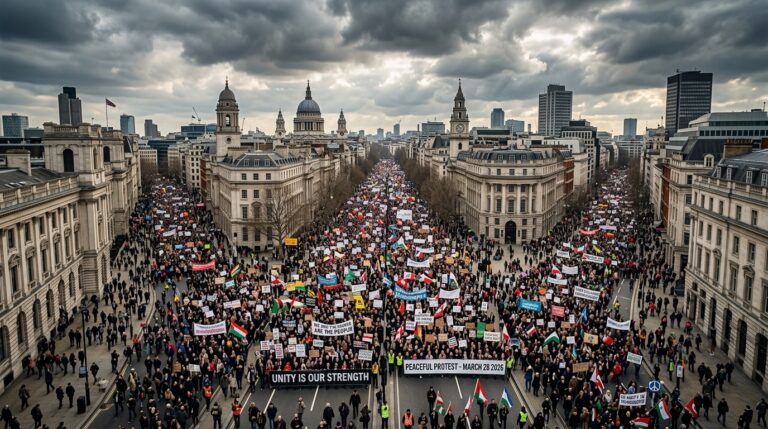
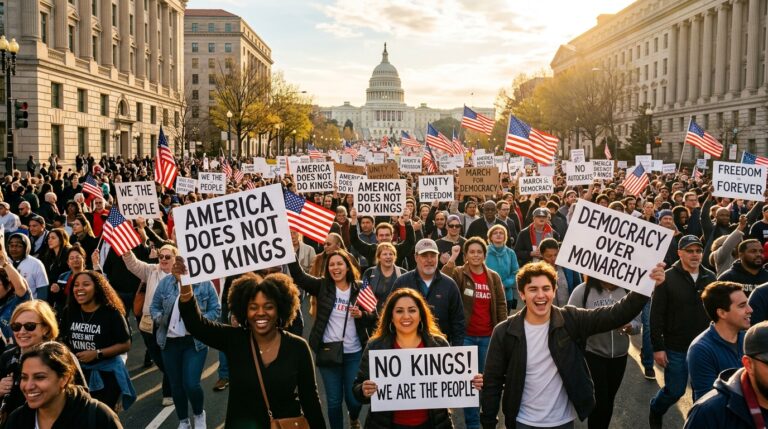
- Its own citizens start asking: “Is this who we are?”
A student in Paris might say:
“If rules apply only to others, are they really rules?”
A voter in Texas might wonder:
“Are we defending values,or just interests?”
This is where moral erosion begins, not loudly, but quietly.
2. The Ethical Dimension Means vs Ends
Ethics asks a harder question:
Even if an action is strategic… is it justified?
In global politics, this tension is constant:
- Security vs sovereignty
- Stability vs intervention
- Deterrence vs escalation
The Ethical Trap of Great Powers
At the peak of power, a nation may begin to believe:
“If the outcome is right, the method is acceptable.”
History warns against this.
Because:
- Short-term gains can create long-term resentment
- Tactical victories can produce strategic isolation
An analyst in Berlin might put it:
“You can win a conflict and still lose trust.”
3. The Legal Dimension: Rules That Hold the System Together
The modern global order is built on frameworks shaped after World War II:
- Sovereignty of nations
- Non-aggression principles
- International law
These are not perfect—but they create predictability
What Happens When Rules Are Bent?
When powerful nations bypass or reinterpret rules:
- Smaller states feel vulnerable
- Alliances become uncertain
- The system itself weakens
Because the unspoken question becomes:
“If the strongest can ignore the rules… why should anyone follow them?”
4. The Strategic Consequence of Ignoring Principles
This is where morality meets hard strategy.
Ignoring ethical and legal boundaries does not just create criticism—it creates:
Resistance
Nations push back, quietly or openly
Distrust
Allies become cautious partners
Narrative Loss
Rivals gain moral high ground
In modern geopolitics, perception is power
And once moral credibility weakens:
Influence becomes more expensive to maintain
5. The Deep Historical Pattern
Across time, one pattern repeats:
- Power rises with strength
- It stabilises with legitimacy
- It declines when legitimacy erodes
Not immediately. Not dramatically.
But steadily.
The Critical Insight
👉 Military power can secure territory
👉 Economic power can secure influence
👉 But only moral and legal credibility can secure lasting leadership
Bringing It Back to the Present
For the United States—and any major power today:
The real challenge is no longer just:
- Winning conflicts
- Containing rivals
It is:
Maintaining credibility while exercising power
At the height of power, the greatest risk is not external defeat—but internal contradiction.
FAQs
1. Is the US at risk of losing global dominance in 2026?
Not immediately. Its power remains unmatched, but overextension, alliance divergence, and domestic friction are key vulnerabilities.
2. Why is China seen as a rising power?
China expands through trade, investment, and strategic patience. Its energy diversification and Belt and Road networks provide long-term leverage.
3. Can Russia challenge the US globally?
Russia is disruptive and opportunistic but lacks economic and structural capacity to sustain global dominance.
4. How critical is NATO’s unity?
Extremely. A fully aligned NATO is a global multiplier of Western power; fragmentation reduces influence and deterrence.
5. How do moral and ethical principles impact global strategy?
Legitimacy sustains alliances, fosters trust, and strengthens influence. Power alone cannot preserve credibility.
6. Are energy crises part of strategy or consequence?
Both. Controlling supply affects rivals, but overuse or mismanagement can create domestic and global instability.
References
- Kennedy, Paul. The Rise and Fall of Great Powers. Random House, 1987.
- Dalio, Ray. Principles for Navigating Big Debt Crises. Bridgewater Associates, 2020.
- Toynbee, Arnold J. A Study of History. Oxford University Press, 1934–1961.
- IEA Energy Reports, 2025–2026
- NATO Public Diplomacy Division, 2026 Annual Review
- Belt and Road Initiative Official Documents, China, 2025