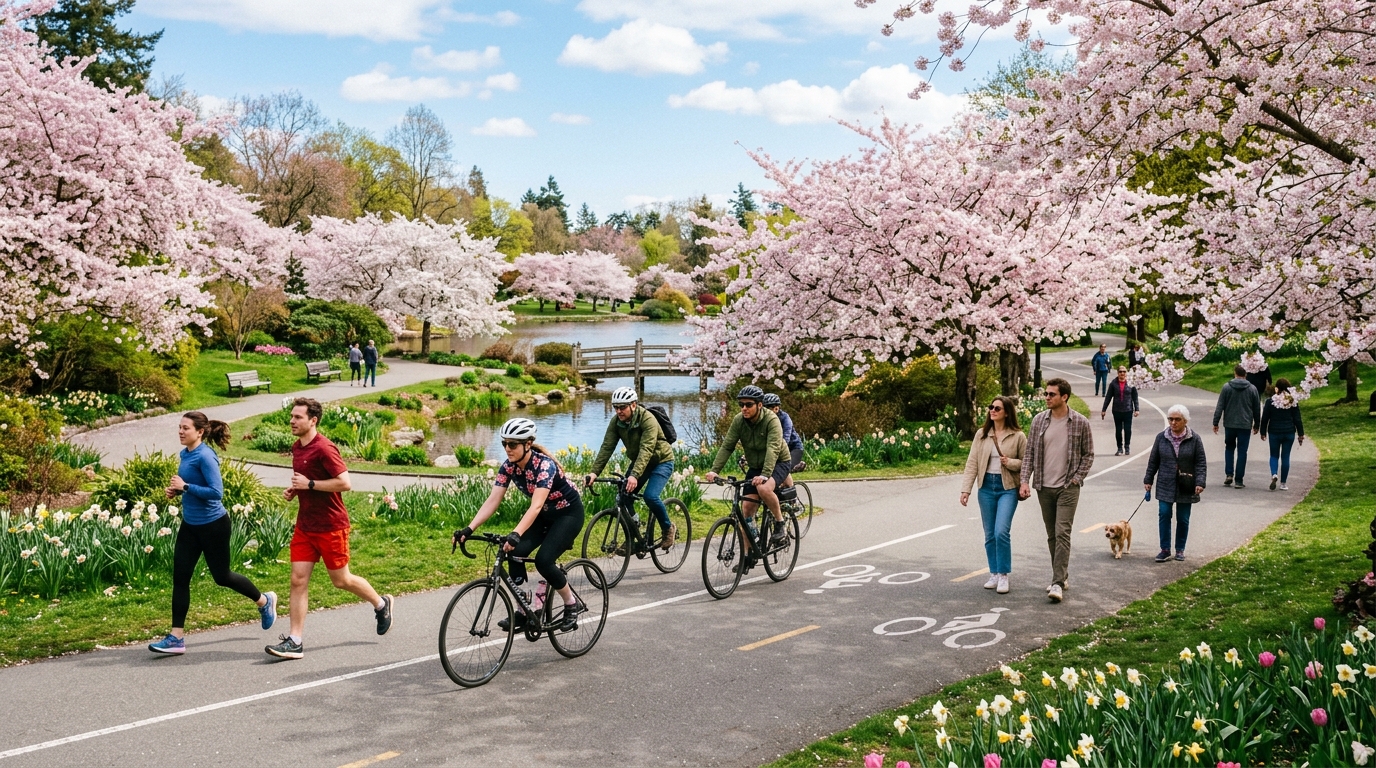

🌱 Spring: Nature’s Reawakening Across the U.S., Europe, and Asia
Spring: nature’s reawakening across the U.S., Europe, and Asia: blooming landscapes, seasonal foods, festivals, weather patterns, and climate trends explained.
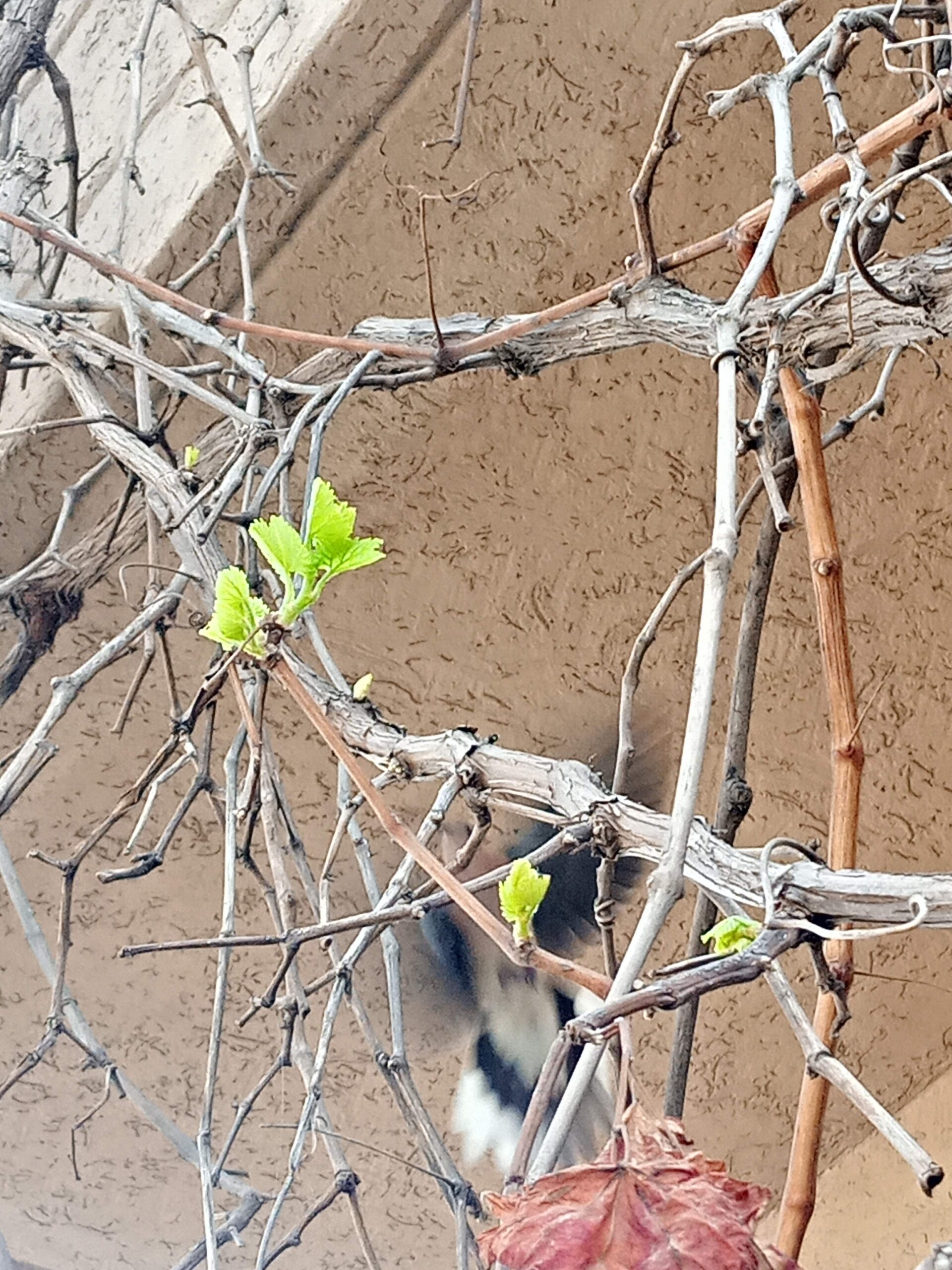
Introduction: Spring: A Season to Awaken. Spring marks a global transformation. From the Northern U.S. to Europe, Pakistan, India, and China, longer daylight, warming soils, and blooming flora signal renewal.
The Purpose of Seasons
The Earth’s tilt and orbit around the Sun create seasons. These seasons serve various purposes:
Winter: A time of rest and renewal. Cold temperatures slow down activity, allowing the environment to recover.
Spring: A season of growth and rejuvenation. Warmer temperatures and longer days encourage new life and rebirth.https://mrpo.pk/spring-natures-reawakening/
Summer: A period of abundance and activity. Longer days and intense sunlight support growth and productivity. https://mrpo.pk/summer/
Autumn: A season of harvest and preparation. Cooling temperatures signal the time to gather resources and prepare for winter.https://mrpo.pk/autumn/
Spring is not just a season; it’s a celebration of nature, culture, and life itself, inviting us to embrace the outdoors, fresh foods, and new beginnings.
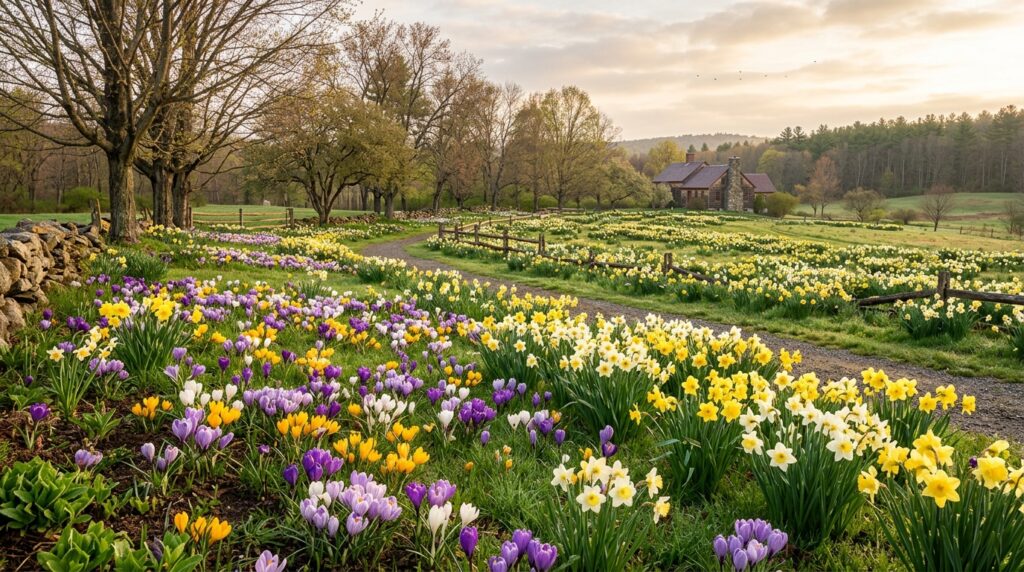
Characteristics of the spring season
The spring season is primarily defined by its unique meteorological, astronomical, and ecological characteristics. This period sees a gradual warming of temperatures as the Earth tilts towards the sun, providing an ideal environment for plants to bloom and animals to become active. Meteorologically, spring is renowned for its unpredictable weather patterns, transitioning from winter’s chill to summer’s warmth, often marked by occasional showers that nourish the budding greenery.
Astronomically, the vernal equinox signifies the equalization of day and night, occurring as the sun crosses the celestial equator. Ecologically, spring represents a critical time for nature’s cycles, as flora and fauna take advantage of favorable conditions to thrive. These characteristics form the backbone of spring’s identity, reflecting a harmonious blend of environmental cues and seasonal transformation.
Climate and Temperature Patterns
Warmer Days, Cool Nights in the West
- United States: Meteorological spring begins March 1. Southern states enjoy early warmth; northern states still face frosts.
- Europe: Southern Europe sees early blooms; Scandinavia and central Europe remain cooler.
Asian Spring: Pakistan, India, and China
- Pakistan: March to April brings mild to warm days, especially in Punjab, Sindh, and Khyber Pakhtunkhwa. Mountain regions still experience cool nights, with melting snow feeding rivers.
- India: Spring occurs roughly from March to May. Northern plains are warm, northern hills still chill at night. Flowers like gulmohar, marigold, and mustard bloom across regions.
- China: Spring starts in March; southern provinces warm first, while northern provinces like Beijing see fluctuating temperatures. Cherry blossoms bloom in many areas, attracting festivals.
Across continents, spring shares the same energy, awakening life, yet every region expresses it uniquely.
Nature’s Reawakening
- Trees, shrubs, and flowers burst into life globally.
- Birds return: swans and warblers in Europe, mynahs and sparrows in India and Pakistan, cranes in China.
- Northern U.S. and European regions see crocuses and primroses; South Asia blooms with mustard fields, jacarandas, and cherry blossoms.
Nature paints a season-specific palette of white snowmelt, green plains, and colourful blossoms, each region telling its own story.
Spring Weather Patterns
- U.S. & Europe: Rain, thaw, and occasional thunderstorms remain common.
- Asia:
- Pakistan & India: Mild sunny days, occasional pre-monsoon showers in southern India.
- China: Spring rain begins in southern provinces, northern regions gradually thaw, and dust storms can occur in northwest China.
Spring’s unpredictability keeps life vibrant, one day bright and sunny, the next draped in gentle rain.
Climate Trends and Impacts
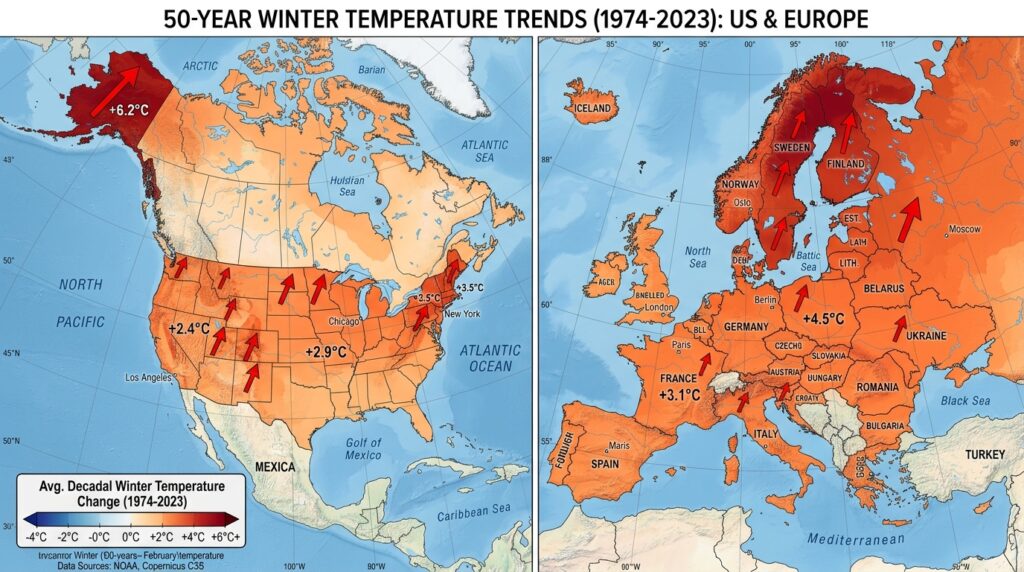
- Earlier blooms are occurring worldwide due to global warming.
- Agriculture must adjust: sowing and harvesting schedules shift across continents.
- Allergy seasons peak sooner, affecting millions in the U.S., Europe, and Asia.
Hook: Nature is racing ahead of calendars — a universal reminder that every spring is unique and precious.
Lifestyle and Culture in Spring: Spring: nature’s reawakening
Festivals and Celebrations
- Europe: Easter markets, Holi, spring fairs.
- U.S.: Marathons, cycling events, open-air markets.
- Pakistan: Basant festivals in Punjab, cherry blossom events in northern regions.
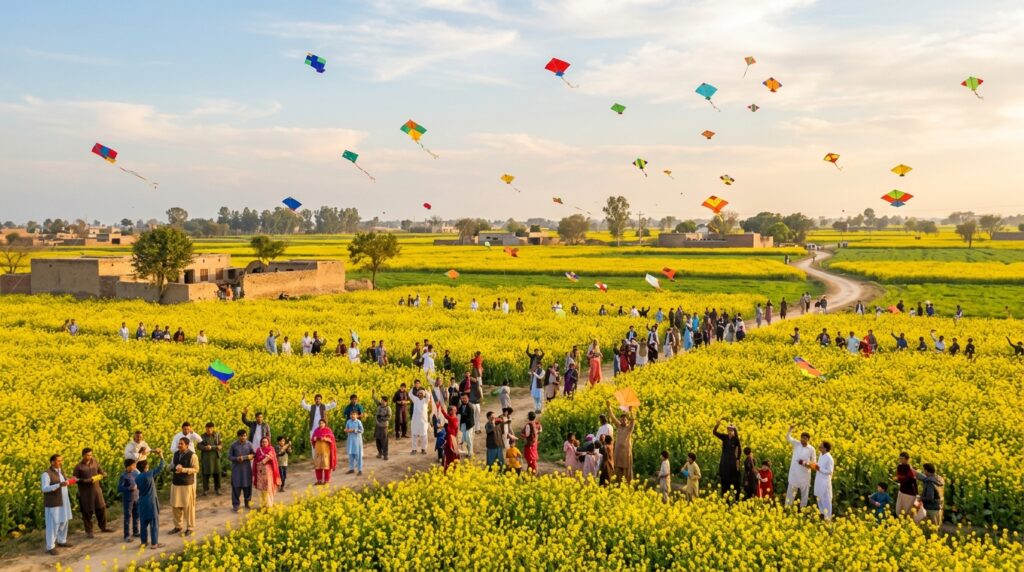
Bright_mustard_fields_in_punjabpakistan_kites_flying - India: Holi, Baisakhi, and regional spring fairs.
- China: Cherry blossom festivals, Qingming Festival (Tomb-Sweeping Day).
🌱 Seasonal Foods: Spring Recipes Across Regions
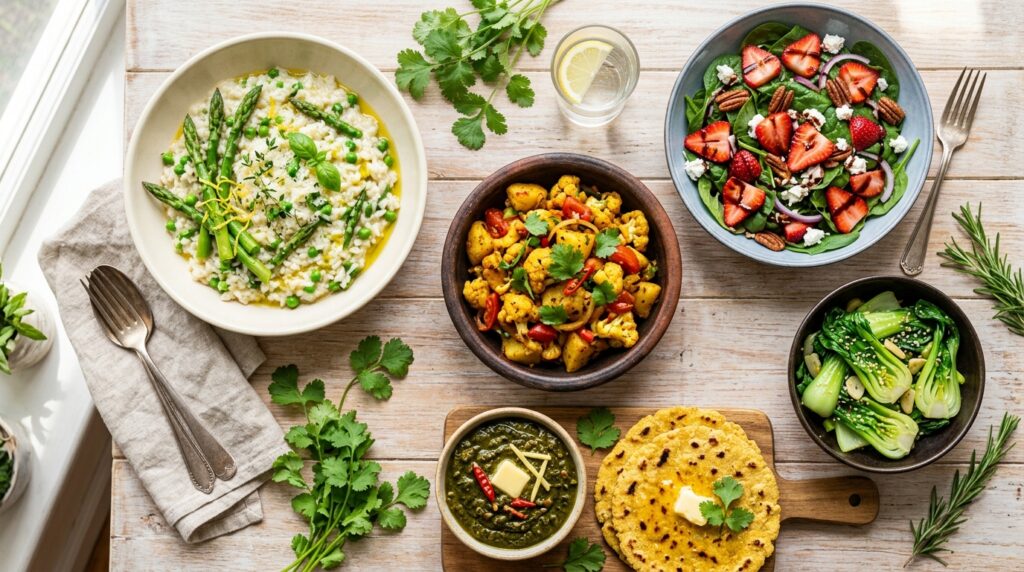
1. Asparagus and Pea Risotto (Italy-inspired)
Ingredients:
- 1 cup Arborio rice
- 1 bunch of asparagus, chopped
- 1 cup fresh peas
- 1 small onion, finely chopped
- 2 tbsp olive oil
- 4 cups vegetable stock, kept warm
- ½ cup grated Parmesan cheese
- Salt and pepper to taste
Instructions:
- Heat olive oil in a pan and sauté the onion until translucent.
- Add rice and stir for 2 minutes until lightly toasted.
- Gradually add warm stock, one ladle at a time, stirring continuously.
- When rice is halfway cooked, add asparagus and peas.
- Continue adding stock and stirring until rice is creamy and tender.
- Remove from heat, stir in Parmesan, season with salt and pepper, and serve hot.
2. Strawberry Spinach Salad (U.S.)
Ingredients:
- 4 cups baby spinach
- 1 cup strawberries, sliced
- ¼ cup almonds, toasted
- ¼ cup feta cheese, crumbled
- 2 tbsp balsamic vinaigrette
Instructions:
- Combine spinach, strawberries, and almonds in a large bowl.
- Drizzle with balsamic vinaigrette and toss gently.
- Sprinkle feta cheese on top before serving.
- Serve immediately for a refreshing spring salad.
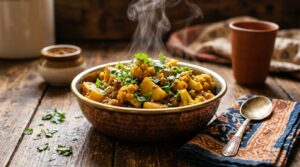
3. Aloo Gobhi Stir-Fry (India/Pakistan)
Ingredients:
- 2 medium potatoes, diced
- 1 small cauliflower, chopped into florets
- 2 tbsp vegetable oil
- 1 tsp cumin seeds
- ½ tsp turmeric powder
- 1 tsp coriander powder
- ½ tsp red chilli powder (optional)
- Salt to taste
- Fresh cilantro, chopped for garnish
Instructions:
- Heat oil in a pan and add cumin seeds until they sizzle.
- Add potatoes and cauliflower, and sauté for 5 minutes.
- Sprinkle turmeric, coriander, chilli, and salt. Mix well.
- Cover and cook on low heat for 10–12 minutes, stirring occasionally until vegetables are tender.
- Garnish with fresh cilantro and serve hot with rice or roti.
4. Chinese Stir-Fried Spring Greens
Ingredients:
- 2 cups bok choy or baby spinach
- 2 cloves garlic, minced
- 1 tbsp soy sauce
- 1 tsp sesame oil
- 1 tsp vegetable oil
Instructions:
Heat vegetable oil in a wok over medium-high heat.
- Add minced garlic and sauté until fragrant.
- Add greens and stir-fry for 2–3 minutes until wilted.
- Drizzle soy sauce and sesame oil, toss, and serve immediately as a side dish.
5. Saag Makai Roti (Pakistan – Traditional Spring Dish)
Ingredients:
- 2 cups cornmeal (makai ka atta)
- ½ cup whole wheat flour
- 1 cup fresh spinach or mustard greens (saag), finely chopped
- Warm water as needed
- Salt to taste
- Ghee or butter for serving
Instructions:
- Mix cornmeal, wheat flour, chopped greens, and salt in a bowl.
- Gradually add warm water to knead into a soft dough.
- Divide the dough into small balls and roll them into flat discs.
- Cook on a hot griddle (tawa) for 2–3 minutes each side until lightly browned.
- Serve hot with ghee or butter and a side of fresh yoghurt or pickles.
- Seasonal ingredients connect culture and climate. Fresh, colourful meals reflect the vibrancy of spring worldwide.
Spring: nature’s reawakening: Health and Well-Being
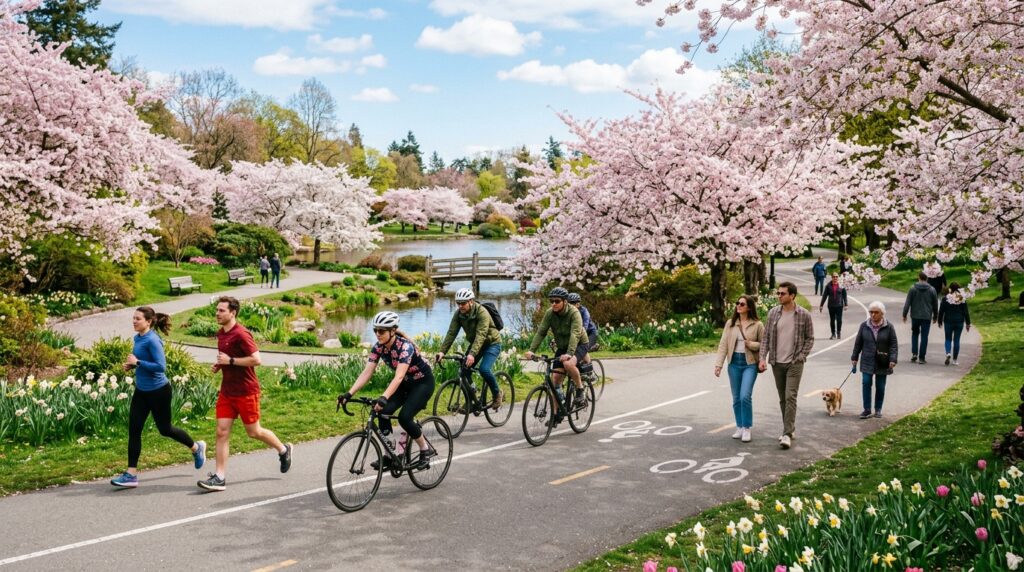
- Longer daylight improves mood and energy across all continents.
- Allergy management is key in regions with pollen-heavy trees or mustard fields.
- Outdoor activity encourages movement after winter confinement, supporting cardiovascular and mental health.
Spring is nature’s invitation to step outside, breathe fresh air, and recharge body and mind.
FAQs About Spring Worldwide
1. When does spring start in Pakistan, India, and China?
- Pakistan & India: March to May; China: March–May, varying by province.
2. Are spring seasons arriving earlier globally?
- Yes, warming trends cause earlier blooms, shorter frost periods, and shifting rainfall patterns across continents.
3. What weather hazards are common in Asia during spring?
- Pre-monsoon showers, dust storms in northwest China, and late frosts in northern India and Pakistan.
4. How does spring affect human health worldwide?
- Longer daylight improves mood; pollen and allergies increase across Asia, Europe, and North America.
5. How does spring impact agriculture?
- Farmers adjust planting and harvesting schedules; pollinator activity also shifts with earlier blooms.
6. Which cultural events mark spring in Asia?
- Basant (Pakistan), Holi and Baisakhi (India), Cherry Blossom and Qingming Festival (China).
Conclusion: Spring as a Season of Global Renewal
Spring is a season of vivid transformation across continents. From U.S. and European parks to South Asian plains and Chinese blossoms, spring invites us to celebrate nature, culture, and life itself.
No matter where you are, whether sipping a fresh salad in New York, watching cherry blossoms in Beijing, or dancing at Holi in India, spring is the world’s reminder that growth, colour, and joy return every year.