
If US–Iran Tensions Escalate: NATO, Europe, China and Russia Recalculate Global Alliances
Excerpt
If US–Iran Tensions Escalate, as US–Iran tensions intensify, NATO allies, Europe, Russia, China and South Asia reassess their strategic positions. If escalation spreads, who stands with Washington, and what does it mean for global stability?
https://mrpo.pk/the-age-of-trumplization/
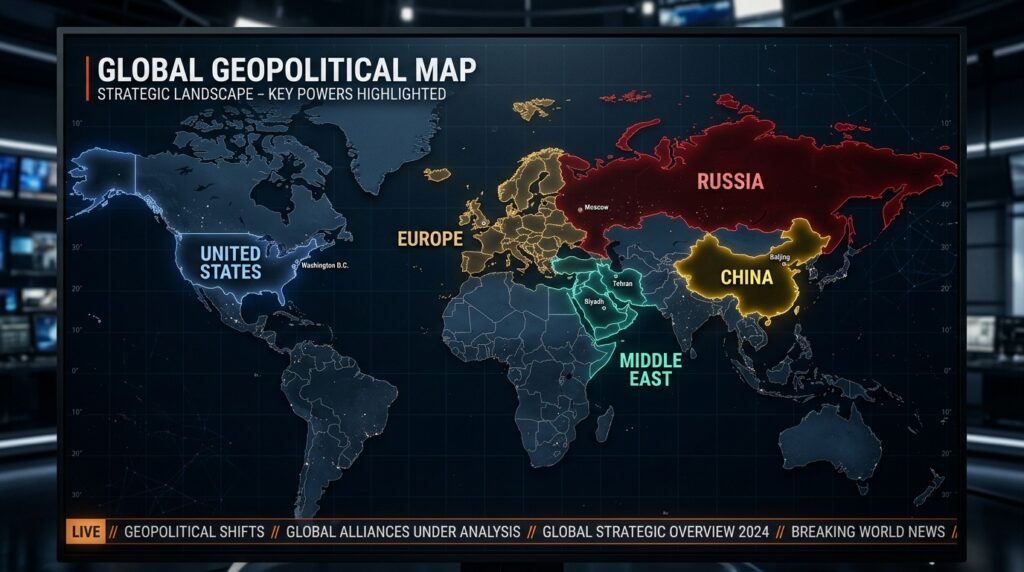
If US–Iran Tensions Escalate, US-Iran tensions, global alliances
A World Holding Its Breath
When diplomatic talks resume while aircraft carriers reposition, the message is unmistakable: deterrence and diplomacy are operating side by side.
Rising tensions between the United States and Iran have once again placed the Middle East at the centre of global attention. But this is no longer just a regional dispute. It is a test of alliance systems, energy security, and the evolving multipolar order.
For readers in America and Europe, the implications go beyond headlines. They touch inflation, energy prices, NATO cohesion, and strategic competition with both Russia and China.
The central question is simple:
If tensions escalate, who stands with Washington and how firmly?
U.S. and Iran wrap up ‘most intense’ nuclear talks with no deal, more negotiations ahead
The latest round of U.S.-Iran talks did not lead to a breakthrough, with both sides agreeing to extend negotiations, Iranian Foreign Minister Seyed Abbas Araghchi said, describing the discussions as the “most intense so far.”
“Further progress has been made in our diplomatic engagement with the United States,” said Araghchi, adding that both sides planned to engage in a more “detailed” manner on critical issues including termination of U.S. sanctions on Iran and “nuclear-related steps.”
Al-Busaidi is headed to Washington to meet with Vice President JD Vance and other U.S. officials on Friday, according to MS Now. Vance has previously downplayed the possibility of the U.S. entering into a years-long war with Iran despite intensifying military rhetoric from Tehran and Washington.
Earlier this week, U.S. President Donald Trump said that Iran wants to make a “deal” more than the U.S., while Tehran’s refusal to commit to not developing nuclear weapons remains a key sticking point holding up the agreement.
The American Position: Deterrence Without War
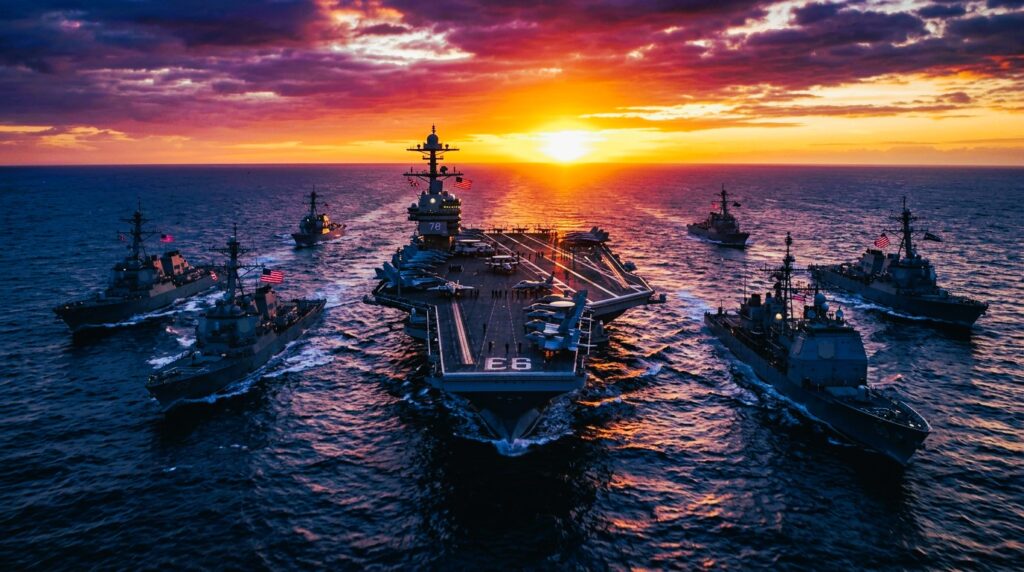
The United States has strengthened its regional force posture across the Gulf. Aircraft carriers, advanced fighter squadrons, missile defence systems, and thousands of troops are positioned not necessarily for immediate war, but for credible deterrence.
Washington’s objectives appear threefold:
- Prevent Iranian nuclear acceleration
- Protect regional allies, especially Israel
- Signal resolve to adversaries without triggering direct conflict
For US policymakers, this is about maintaining strategic credibility. For European allies, it raises a familiar concern: how to support Washington while avoiding another destabilising Middle Eastern war.
NATO and Europe: Unity Under Pressure
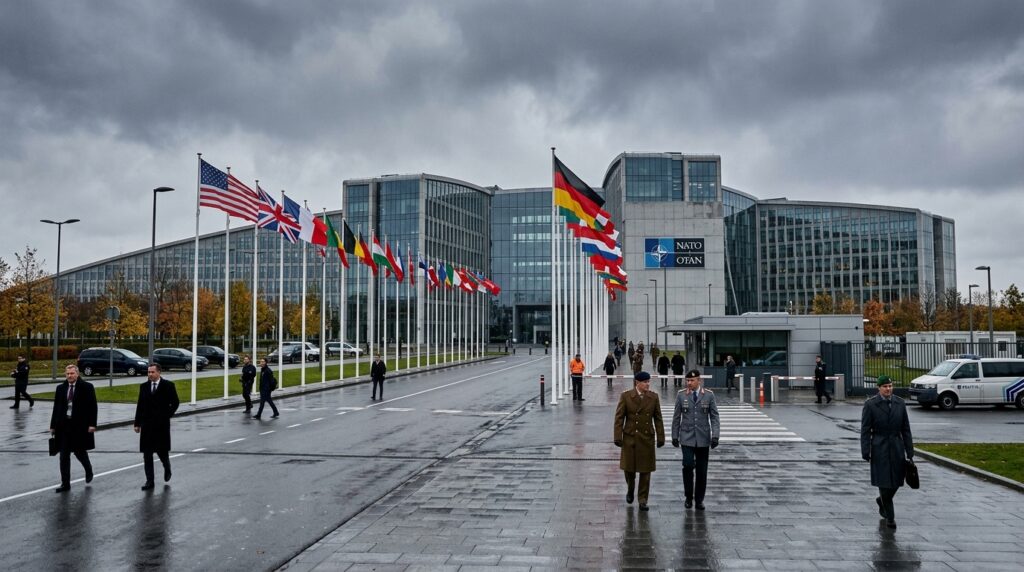
The transatlantic alliance remains strong, but it is not uniform.
Within NATO, likely strong and immediate supporters of Washington would include:
- United Kingdom
- Poland
- Baltic states
These countries view US leadership as central to European security, particularly amid the ongoing Ukraine crisis.
However, larger European economies, including France and Germany, would likely push for diplomatic containment before endorsing any military expansion.
Europe’s vulnerability lies in energy. Nearly 20% of the global oil supply passes through the Strait of Hormuz. Any disruption could immediately impact European inflation, manufacturing output, and consumer confidence.
This is why European leaders often walk a careful line: loyal to Washington, but cautious about escalation.
Russia: Strategic Opportunity Without Direct Entry
For Russia, heightened US–Iran tensions present an opportunity rather than an obligation.
Moscow benefits if:
- US resources are stretched across multiple theatres
- NATO unity faces a strain
- Energy markets tighten
However, direct Russian military involvement on Iran’s behalf is unlikely. Instead, Moscow’s approach would likely involve diplomatic backing, intelligence coordination, and strategic messaging designed to portray Western policy as destabilising.
Russia’s larger goal remains to weaken Western cohesion, not to open a new full-scale front.
China: Stability as Strategy
China’s posture is more subtle.
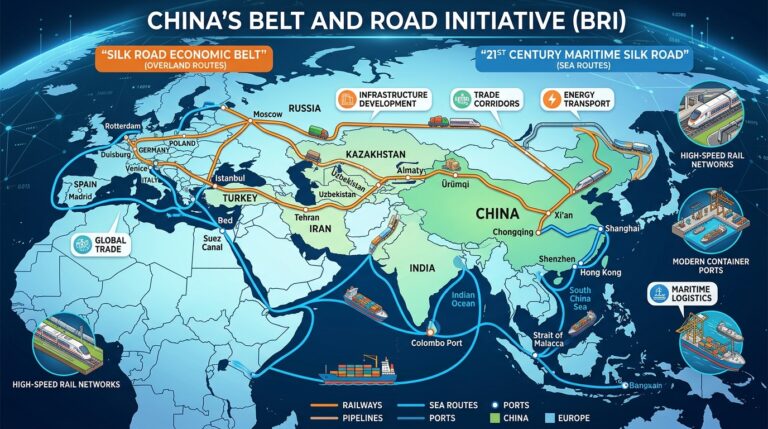
Beijing has deep energy ties with Iran, expanding Gulf partnerships, and growing economic engagement across Europe. It has positioned itself as a mediator in regional disputes, including past rapprochement efforts between regional rivals.
For China, instability is risky — but Western overextension is advantageous.
Several European states are simultaneously recalibrating economic ties with Beijing. While political trust has declined, trade interdependence remains significant, especially for Germany’s industrial base.
In a US–Iran escalation, China would likely:
- Call for de-escalation publicly
- Protect its energy access quietly
- Expand influence where Western focus weakens
This is long-game geopolitics.
Israel: The Immediate Stakeholder
For Israel, Iran is not theoretical; it is existential.
Any shift in US–Iran dynamics immediately affects Israeli security planning. Civil defence readiness, intelligence operations, and strategic diplomacy are closely aligned with Washington.
In any escalation scenario, Israel would be among the first and firmest supporters of US action.
At the same time, Israeli leaders are aware that a regional war could widen rapidly through non-state actors across Lebanon, Syria, and Gaza.
https://mrpo.pk/aftermath-of-israel-iran-war/
India: Strategic Balancer in a Fragmented Order
India occupies a uniquely complex position.
India maintains:
- Defence cooperation with Israel
- Energy and connectivity interests in Iran
- Strategic alignment with the US in the Indo-Pacific
Recent high-level diplomatic exchanges with Israel highlight defence and technology collaboration. Yet India is unlikely to openly confront Iran unless its core economic or maritime interests are threatened.
New Delhi’s approach reflects a broader reality of the multipolar era: partnerships are layered, not absolute.
If US–Iran Tensions Escalate, South Asia’s Volatile Undercurrent
The situation between Pakistan and Afghanistan adds another unpredictable dimension.
Border tensions, internal security concerns, and regional rivalries complicate the broader map. Any simultaneous instability in South Asia and the Middle East could amplify supply chain disruption, migration flows, and security risks.
For Western policymakers, interconnected instability is now the primary fear, not isolated crises.
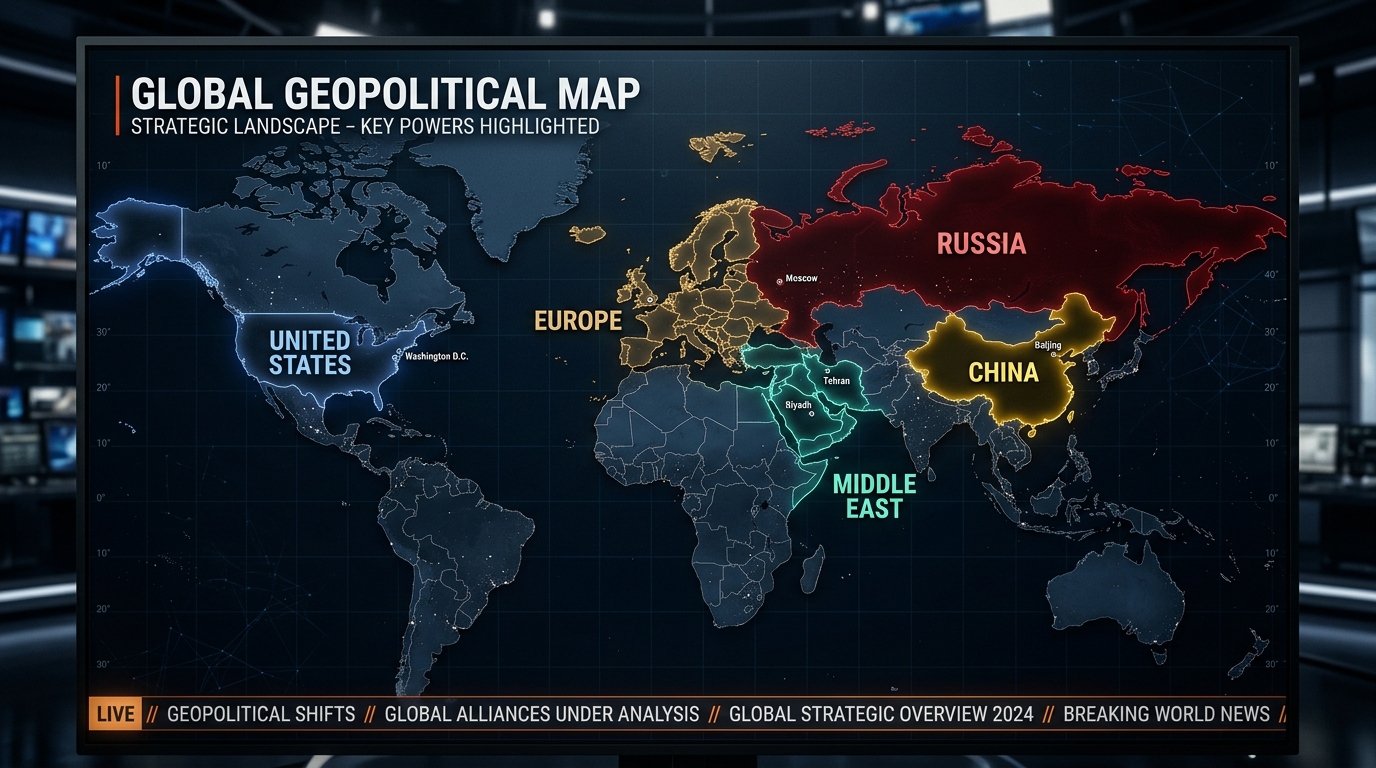
Likely Alignment Map
Strong Immediate US Support
- Israel
- United Kingdom
- Poland
- Baltic states
- Possibly Canada and Australia
Conditional or Diplomacy-First Support
- France
- Germany
- Italy
- Japan
Strategic Opponents
- Russia
- China
Strategic Balancers
- India
- Gulf States
This alignment reflects not ideology, but interest calculations.
What Happens Next? Four Possible Scenarios
- Diplomatic Containment
Talks resume meaningfully. Sanctions remain, but conflict is avoided.
- Limited Military Exchange
Targeted strikes occur, but escalation is managed.
- Regional Spillover
Non-state actors engage. Israel becomes directly involved. Energy markets surge.
- Prolonged Cold Confrontation
No open war, but sustained military buildup and economic pressure define the landscape.
The most likely path may be prolonged tension rather than immediate war — but miscalculation remains the greatest danger.
Why This Matters for the US and European Nations
This situation affects:
- Gasoline prices
- Defense spending
- NATO planning
- Inflation trends
- China’s global positioning
- Election-year politics in Western democracies
Global power competition is no longer abstract. It touches daily life.
Frequently Asked Questions
1. Is the US preparing for war with Iran?
The US is strengthening its deterrence posture, but official messaging emphasises preventing conflict through strength.
2. Would NATO automatically join a US strike?
No. NATO’s Article 5 applies to collective defence, not preemptive action.
3. How would Europe’s energy supply be affected?
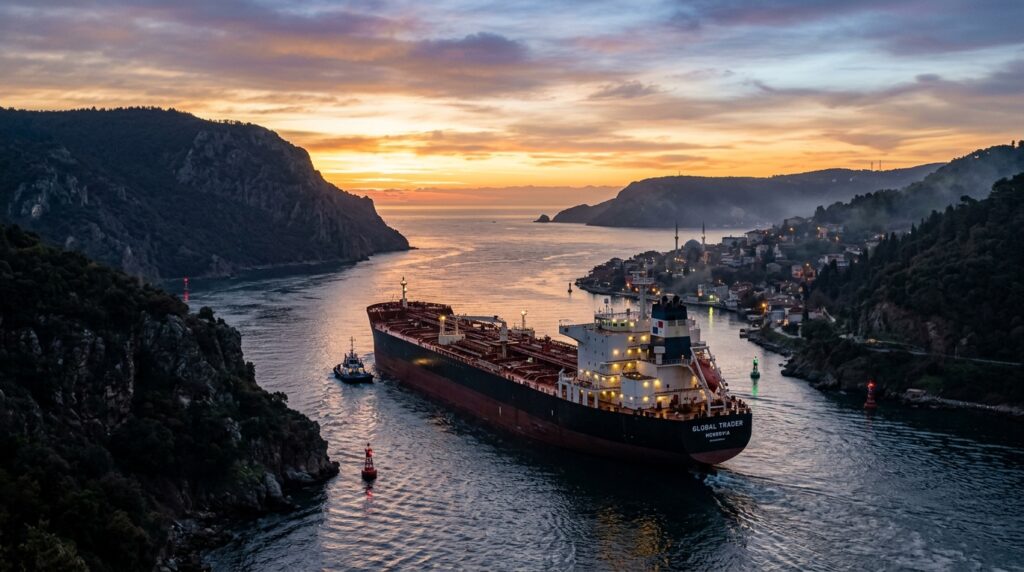
Disruption in the Strait of Hormuz could rapidly increase oil and LNG prices across Europe.
4. Could Russia militarily defend Iran?
Direct intervention is unlikely, but political and logistical support is possible.
5. Where does China stand strategically?
China favours stability while protecting its energy and economic interests.
6. Could this reshape global alliances?
Yes. Escalation could accelerate multipolar realignment and deepen bloc politics.
Editorial Policy Statement
This article is written to provide balanced, fact-based geopolitical analysis grounded in publicly available institutional briefings and strategic studies. It does not promote escalation or endorse any state narrative. The objective is to encourage informed discussion and peaceful resolution of international disputes.