
Facebook 2026: Major Platform Changes, Content Strategy & Monetisation (Updated)
Originally published: January 14, 2023 https://mrpo.pk/facebook-in-2025/
Last updated: January 2026
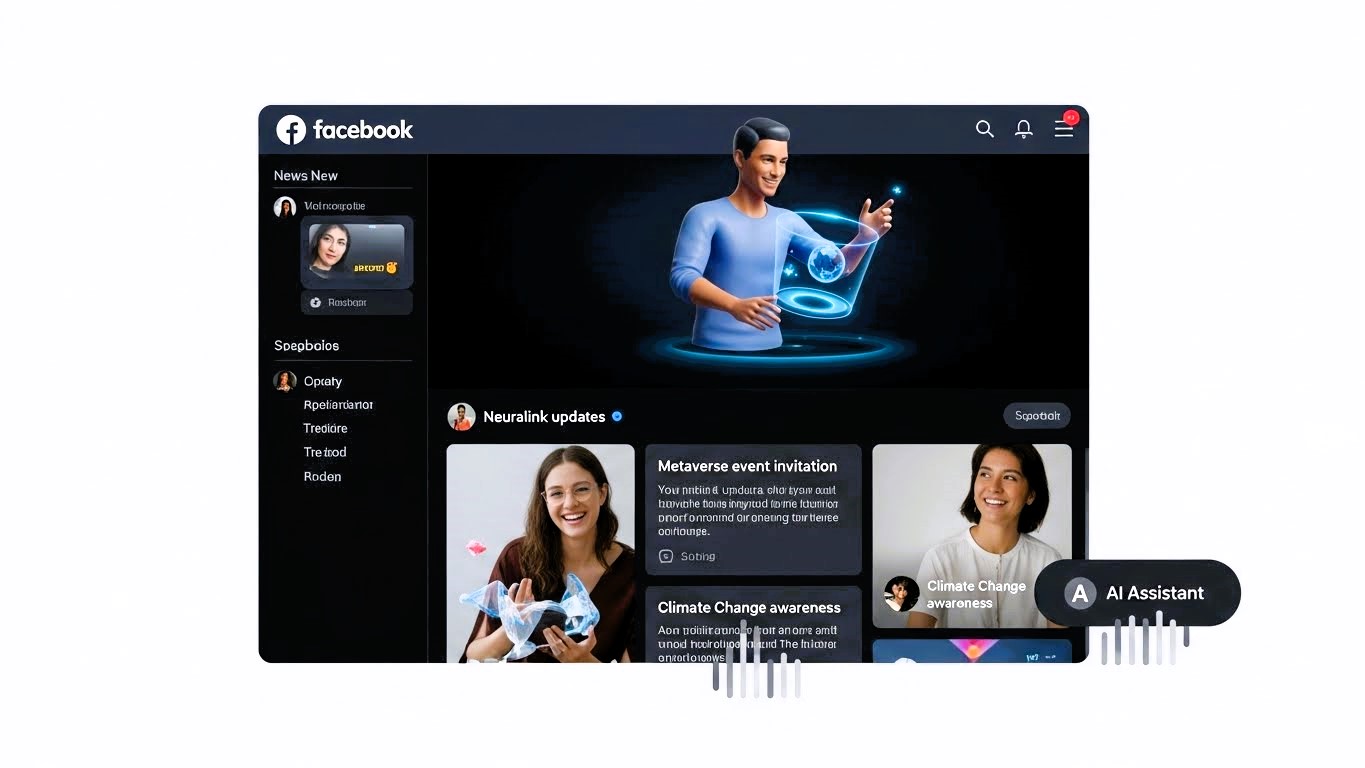
Facebook 2026 tells us that Facebook isn’t the same platform it once was. What began as a universal social network has now evolved into a multi-faceted platform blending reels, community discovery, AI features, and unified monetisation tools. With core changes introduced across 2025–2026 to feed, video formats, creator tools, safety policies, and monetisation, this article explains what has changed and how it affects users and creators in 2026.

1. Redesigned Feed, Navigation & Discovery
Meta has introduced several design and navigation improvements to make Facebook feel less cluttered and easier to use:
- A cleaner tab bar with priority features like Reels, Friends, Marketplace, and Profile is more visible. (About Facebook)
- A more immersive grid layout in Search results for photos and videos. (About Facebook)
- Double-tap liking on photos in Feed, similar to Instagram, and full-screen media viewing. (The Times of India)
These changes aim to help users connect around shared interests and visually explore content more naturally. (About Facebook)
2. Videos All Become Reels (Shifting Focus)
Facebook is making a significant shift toward Reels across all video content:
- All video uploads, whether short or long, are now posted as Reels by default. (About Facebook)
- The old separation between standard video posts and Reels is being removed, simplifying the creator experience. (About Facebook)
- Reels now have no length restrictions, allowing for long-form Reels as well. (About Facebook)
This aligns Facebook’s video strategy with short-form discovery and engagement trends seen on Instagram and TikTok. (About Facebook)
3. Search & Feed Experience Gets Smarter
Facebook continues to evolve its search and recommendation systems:
- Search now shows a more immersive grid format supporting photos, videos, and posts. (About Facebook)
- Improvements aim to help users find content faster and with better relevance. (About Facebook)
- Future AI-based search features and generative AI tools are being integrated to help as a discovery layer across topics and interests. (About Facebook)
Overall, these changes represent a shift toward discovery, personalisation, and AI-assisted navigation on Facebook. (About Facebook)
4. Unified Monetisation: New Content Monetisation Program
Facebook has replaced older monetisation models (In-Stream Ads, Reels Ads, Performance Bonus) with a single, unified Content Monetisation Program:
- End of traditional monetisation programs as of August 31, 2025. (Facebook)
- The new program allows creators to earn from Reels, longer videos, photos, and text posts under one performance-based payout model. (About Facebook)
- Access is currently in phased rollout, and wider public release began around January 2026. (Reddit)
This simplifies monetisation but also puts greater emphasis on engagement, consistency, and content quality.
5. Safety & Teen-Focused Policy Changes
Meta has updated safety features to protect younger users:
- Accounts and livestreaming functions for users under a certain age now require parental consent or are restricted in many regions. (AP News)
- Teen safety protections from Instagram (like default private teen accounts and usage reminders) are extending into Facebook and Messenger. (AP News)
These changes are part of broader global moves to regulate youth social media participation.
6. Plugins & External Interactions Are Changing
Facebook is removing some legacy external plugins:
- The classic Like and Comment buttons embedded on third-party websites will be discontinued worldwide by early 2026. (New York Post)
This shift reflects a move away from older web interaction mechanisms toward in-platform engagement.
7. Algorithm & Reach Trends in 2026
Recent feedback from the creator community suggests shifts in algorithm priorities:
- The new algorithm appears to favour authentic engagement (meaningful comments, shares, saves) and deeper video retention over superficial metrics. (Reddit)
- Organic reach for external links may be reduced, pushing creators to focus more on native content formats like Reels and Facebook groups. (Reddit)
This aligns with Facebook’s broader goal of becoming community-centric and content-relevant rather than traffic-focused.
8. What Facebook Means in 2026 for Users & Creators
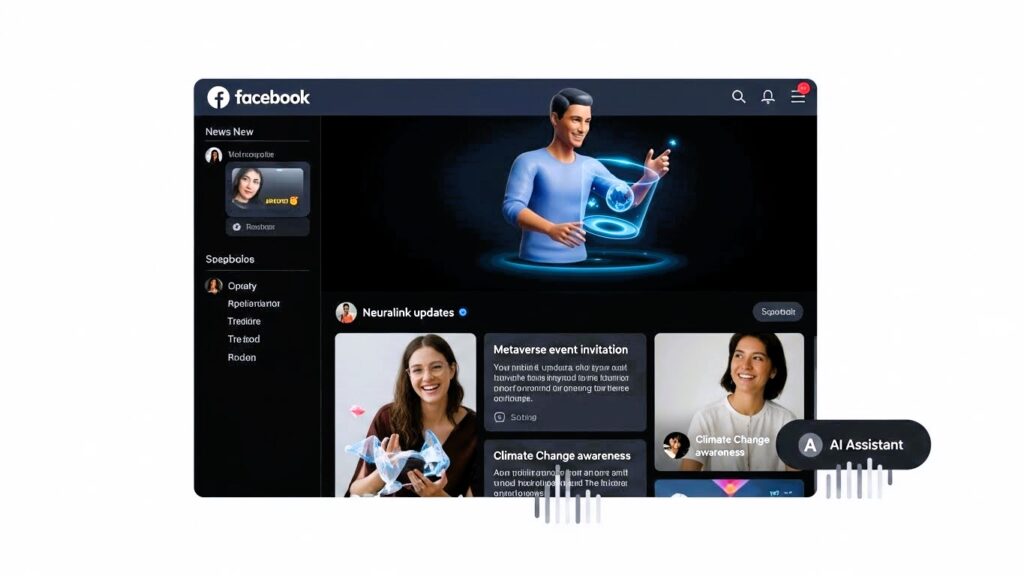
Here’s how these changes should shape your approach:
For Regular Users
✔ A cleaner interface and immersive media experiences
✔ Easier discovery of topics and interests
✔ More privacy control and safety features
For Creators & Pages
✔ Focus on Reels and engaging native content
✔ Use the new Content Monetisation program strategically
✔ Prioritise meaningful engagement and retention metrics
✔ Embrace personalisation and community features
Frequently Asked Questions (Facebook 2026)
1. Is Facebook still relevant in 2026?
Yes. Facebook remains one of the largest social platforms worldwide, evolving to integrate AI, monetisation, and discovery tools.
2. Are regular video posts being removed?
All videos will now be Reels by default, allowing flexibility in length but shifting emphasis to short-form engagement. (About Facebook)
3. Has monetisation become easier or harder?
Monetisation is simplified under one program, but creators must meet quality and engagement standards. (Facebook)
4. What changes are there for young users?
Meta is increasing safety checks and parental controls for teen accounts across Facebook and related apps. (AP News)
5. Are external plugins like the Like button still supported?
No, classic external Like and Comment plugins will be removed by 2026. (New York Post)
Final Summary
Facebook in 2026 is not the same platform it was in 2023 or 2024. It has shifted toward video-centric discovery (Reels), unified monetisation, personalised AI search experiences, and enhanced safety policies. Whether you are a casual user, brand, or creator, understanding these updates helps you adapt your content and interaction strategies for success in today’s social media ecosystem.